
Former Auditor-General warns Chief Justice over institutional visits, raises judicial independence concerns


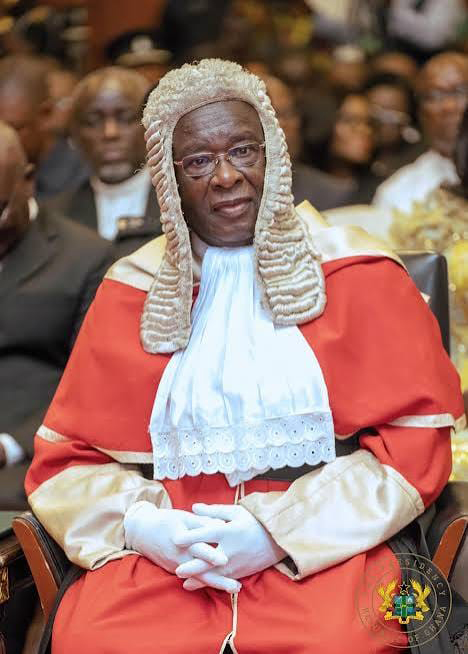
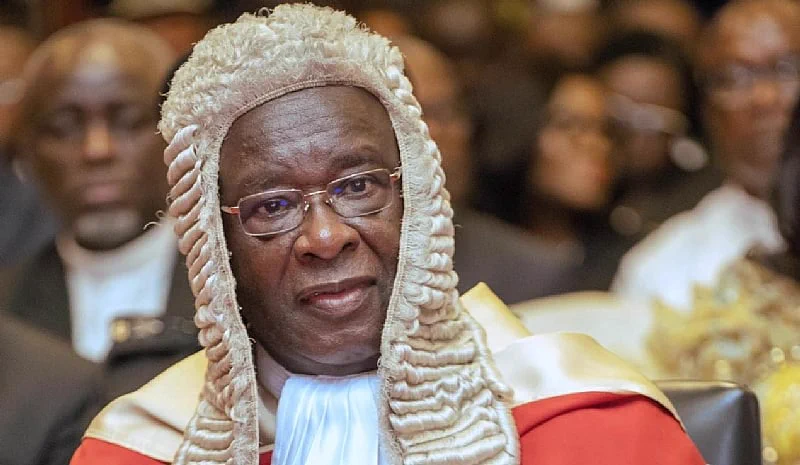
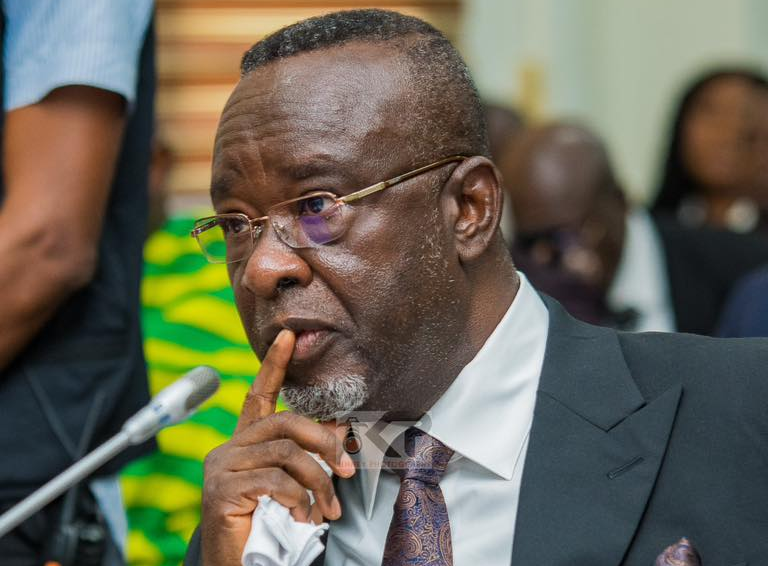
Former Auditor-General Daniel Yaw Domelevo has publicly cautioned Chief Justice Paul Baffoe-Bonnie to exercise restraint in visiting state institutions, warning that such engagements risk undermining public confidence in the Judiciary's independence and impartiality. Speaking at a panel discussion on Saturday, September 5, Domelevo argued that the constitutional position of the Chief Justice demands heightened awareness of how institutional visits are perceived, particularly when those institutions fall under government oversight.
Domelevo's intervention follows recent visits by Chief Justice Baffoe-Bonnie to bodies including the Minerals Income Investment Fund (MIIF) and the Social Security and National Insurance Trust (SSNIT), during which he reportedly commended operational improvements achieved under the current administration. While acknowledging that the Chief Justice's intentions may be entirely benign, Domelevo emphasised that public perception of such engagements carries significant weight in a constitutional democracy.
The independence question
Central to Domelevo's concern is the principle that judicial independence encompasses not merely structural freedom from government interference, but also the appearance of impartiality in the eyes of the public and litigants. He stressed that the Chief Justice occupies a singular constitutional position that distinguishes him from ordinary citizens and sets higher standards for public conduct. This distinction matters because cases involving government entities or state institutions regularly reach the courts, creating situations where the Judiciary's neutrality must be beyond question.
Domelevo explained that when the Chief Justice commends state bodies on their performance, it can inadvertently create the impression of political alignment or favouritism—even when no such bias exists. He recommended that the Chief Justice should prioritise participation in professional associations, social welfare events and public commemorations where his attendance would not invite scrutiny about judicial impartiality.
Why it matters for Ghana
This debate touches on a persistent challenge in Ghana's governance architecture. The Judiciary's credibility depends significantly on public trust, particularly in a climate where political tensions are often high and electoral cycles breed suspicion about institutional neutrality. The 1992 Constitution established judicial independence as a cornerstone of Ghana's democratic framework, yet the practical maintenance of that independence requires both institutional safeguards and prudent personal conduct by judicial leaders.
Domelevo's intervention also reflects broader anxieties about the balance of power in Ghana's tripartite system. Citizens and civil society organisations have periodically raised concerns about judicial proximity to the executive, especially when constitutional matters or election-related disputes reach the courts. Whether or not those concerns are empirically justified, the appearance of impartiality is crucial to the Judiciary's legitimacy and effectiveness. Courts that are widely perceived as politically influenced lose their moral authority to interpret law and settle disputes fairly.
The timing of Domelevo's comments is noteworthy given his own experience as Auditor-General, where he navigated questions about institutional autonomy. His perspective reflects accumulated understanding of how public institutions function in Ghana's political environment and the importance of maintaining clear boundaries between executive and judicial spheres.
Next steps
It remains unclear whether the Chief Justice will formally respond to Domelevo's counsel or adjust his engagement strategy. The Judiciary has not issued a statement on the matter. However, Domelevo's public warning has injected the issue into broader national conversation about institutional independence, a topic that particularly resonates in election years when judicial decisions on constitutional matters attract heightened public attention and scrutiny.
Source: The Ghana Report


Comments (0)
Be the first to comment.