Nigerian Star Timi Dakolo's Warning Resonates Across West Africa: Suffering Is Not Love
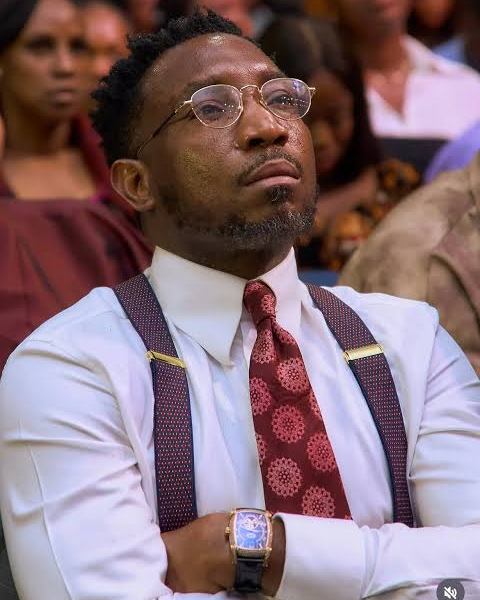
Nigerian singer Timi Dakolo has issued a stark warning against a dangerous cultural narrative that persists across West Africa: the belief that enduring abuse and suffering proves love and commitment in romantic relationships. Speaking out on social media, the celebrated musician challenged victims to recognise when they are mistaking tolerance for devotion—a message that carries particular weight in societies where traditional values around marriage perseverance often overshadow personal safety.
In a forthright post, Dakolo stated: "Dear anybody, suffering is not a proof of love. The amount of abuse you can take is not what patience is all about. It is not your job to fix broken people. Destructive tendencies is not character flaws. Even trained therapist gives up sometimes." His words cut through romanticised narratives that have long kept abuse victims trapped in harmful situations across Ghana and the broader West African region.
Breaking the Cycle of Normalised Abuse
The musician's intervention addresses a widespread cultural problem: the normalisation of suffering within relationships. In many Ghanaian and West African communities, there remains an ingrained expectation that couples—particularly women—must "endure" difficult partners as proof of loyalty and marital commitment. Religious and traditional frameworks sometimes reinforce this narrative, creating an environment where victims feel obligated to remain in harmful situations.
Dakolo's message directly challenges this framework by distinguishing between genuine patience and harmful tolerance. True patience in a relationship involves mutual respect and effort from both partners; it does not mean accepting repeated abuse in the hope that love or prayer will transform an abuser. The musician emphasises a critical boundary: victims are not therapists, and they cannot—and should not be expected to—fix partners who display destructive behaviour patterns.
Why This Matters for Ghana
Ghana, like many West African nations, continues to grapple with high rates of domestic violence and relationship abuse. Cultural narratives around forgiveness, submission, and perseverance—whilst valuable in many contexts—have historically been weaponised to keep victims, predominantly women, in dangerous situations. When abuse is framed as a test of love or commitment, victims internalise shame and blame themselves for their partners' harmful behaviour.
Dakolo's intervention provides an alternative narrative rooted in self-preservation and mental health. By stating that "even trained therapists give up sometimes," he challenges the superhuman expectations placed on ordinary people to rehabilitate abusers. This is a crucial message for Ghanaian women and men who may feel responsible for their partners' emotional or behavioural problems.
Mental health professionals and domestic violence advocates across the continent have long emphasised that abuse is a choice, not a character flaw that love can cure. Recognising this distinction is essential for breaking cycles of violence that often span generations within families.
The Broader Conversation on Relationships and Wellbeing
As public figures like Dakolo increasingly use their platforms to challenge harmful relationship dynamics, conversations around healthy boundaries and personal agency are gaining traction in West African communities. His message arrives at a time when divorce, separation, and calls for personal well-being are gradually becoming less stigmatised, though cultural resistance remains strong in many areas.
For Ghanaians navigating abusive relationships, the singer's words offer validation: prioritising your safety is not selfish, and leaving an abuser is not a failure of love or commitment. Resources including counselling services, domestic violence hotlines, and community support networks exist to help those seeking to escape harmful situations.
Source: Ameyaw Debrah


Comments (0)
Be the first to comment.