
Xenophobia in South Africa threatens Ghana's Pan-African dream and AfCFTA vision
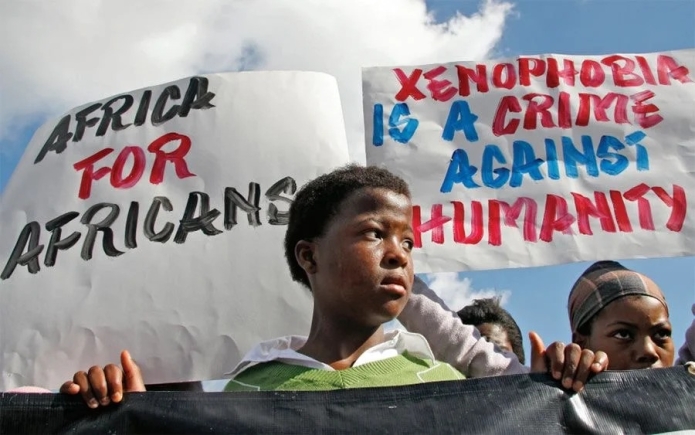
Xenophobic violence targeting African migrants in South Africa is unravelling decades of Pan-African rhetoric and threatening the continent's most ambitious integration project. Ghana, Nigeria, Zimbabwe, Malawi and other nations have reported escalating harassment, intimidation and attacks on their citizens, prompting governments to issue travel warnings and in some cases evacuate nationals. The latest incidents have exposed a painful contradiction: whilst African leaders champion continental unity through institutions like the African Union and the African Continental Free Trade Area (AfCFTA), ordinary Africans face hostility simply for crossing borders within their own continent.
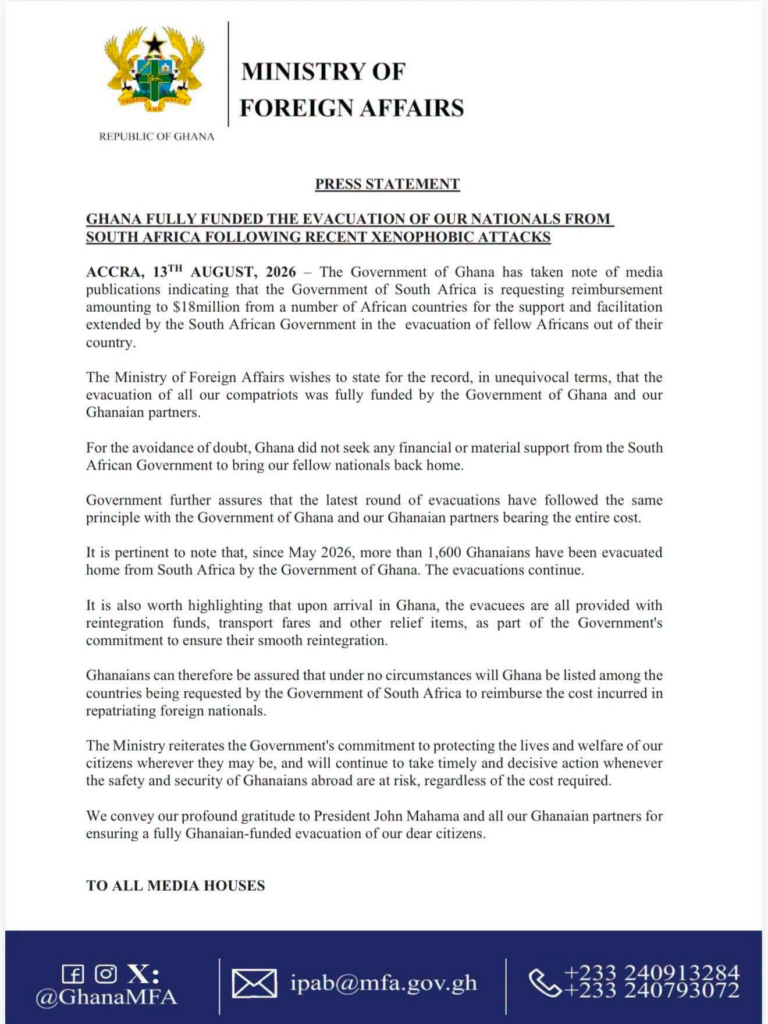
Ghana's Foreign Affairs Minister Samuel Okudzeto Ablakwa formally protested the incidents and summoned South Africa's envoy, underscoring the seriousness with which Accra views these developments. Social media videos allegedly showing foreign nationals being told to "go back and fix your country" have circulated widely, crystallising fears about anti-immigrant sentiment. Whilst South African authorities have condemned the violence and pledged action, the psychological impact resonates far beyond physical attacks—it signals that African solidarity may still be conditional on nationality.
The economic frustration driving xenophobia
South Africa's persistent crisis provides context for the hostility. With unemployment among the world's highest, many South Africans blame foreign nationals for job scarcity, pressure on healthcare and public services, and rising crime. These concerns, whether justified or not, have created fertile ground for scapegoating. Structural inequality, weak governance and political opportunism have historically weaponised migration as a divisive issue, with previous outbreaks in 2008, 2015 and 2019 claiming lives and displacing thousands.
Yet the targeting of fellow Africans reveals something more troubling than economic anxiety—it represents a failure of moral leadership and a betrayal of Pan-African principles. Many of those now facing violence come from countries that supported South Africa's anti-apartheid struggle. Ghana, Nigeria, Zambia and Tanzania provided refuge, diplomatic backing and financial support to freedom fighters when South Africa needed African solidarity most. Today's violence raises an uncomfortable question: how can a continent that united against racial oppression now witness Africans turning against one another?
Why it matters for Ghana and Africa's integration future
For Ghana, the implications are substantial. The AfCFTA, championed by African leaders as a pathway to shared prosperity, envisions free movement of people, cross-border trade, educational exchanges and labour mobility across the continent. These protocols cannot function if Africans fear hostility in fellow African states. Ghanaian traders, students, professionals and entrepreneurs rely on freedom of movement across the continent. Xenophobic violence undermines the foundational trust needed for genuine integration.
True continental integration is not built through policy documents and summits alone—it requires social cohesion and trust between ordinary people. Without this, Africa's economic architecture risks becoming politically ambitious but socially fragile. The challenge extends beyond condemning violence. African governments, including South Africa's leadership, must address structural drivers: poverty, unemployment, inequality, conflict and governance failures that push people across borders in search of survival and opportunity.
Many African migrants contribute significantly to host economies through entrepreneurship, trade, labour and innovation. Migration itself is not the problem; how African states manage migration humanely, lawfully and strategically is. Ghana and other affected nations must engage South Africa's government on both immediate protection measures and long-term solutions. At the same time, the continent must confront uncomfortable truths about governance failures that force citizens to leave home.
Ultimately, xenophobia tests whether Pan-Africanism remains a living principle or merely rhetoric repeated at diplomatic gatherings. If Africans cannot safely coexist with fellow Africans, the broader vision of continental unity rings hollow. For Ghana, invested in AfCFTA and regional stability, the stakes could not be higher.
Source: The Ghana Report



Comments (0)
Be the first to comment.