Ghana bears full cost of evacuating 1,600 nationals from South Africa amid xenophobic violence
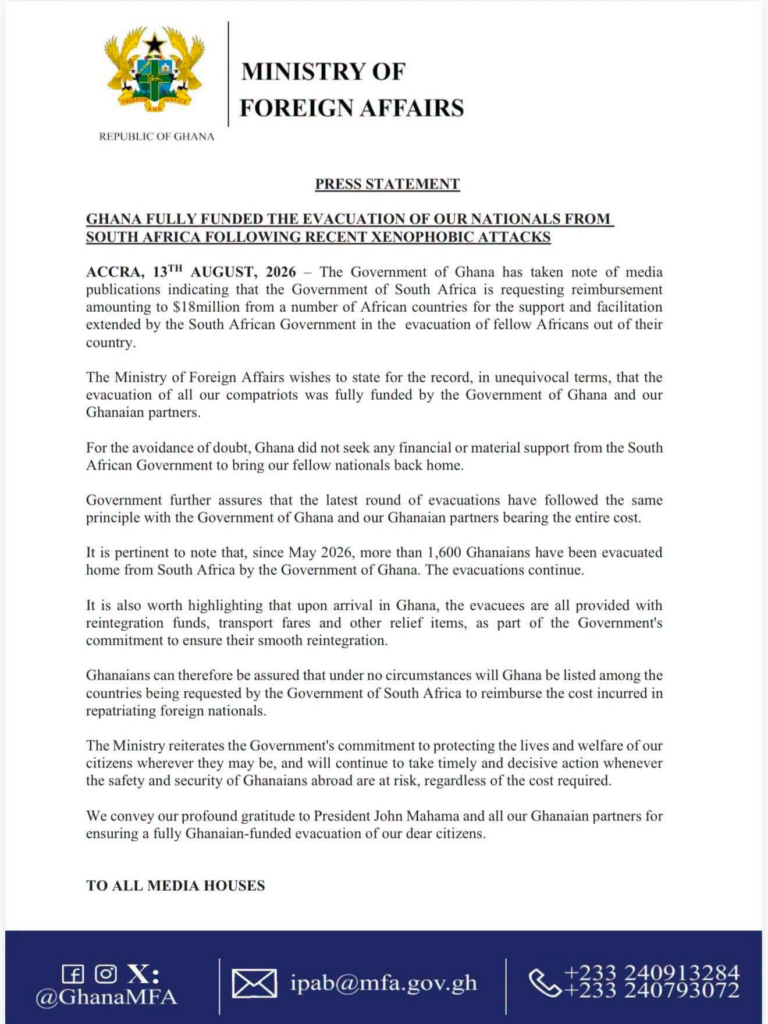
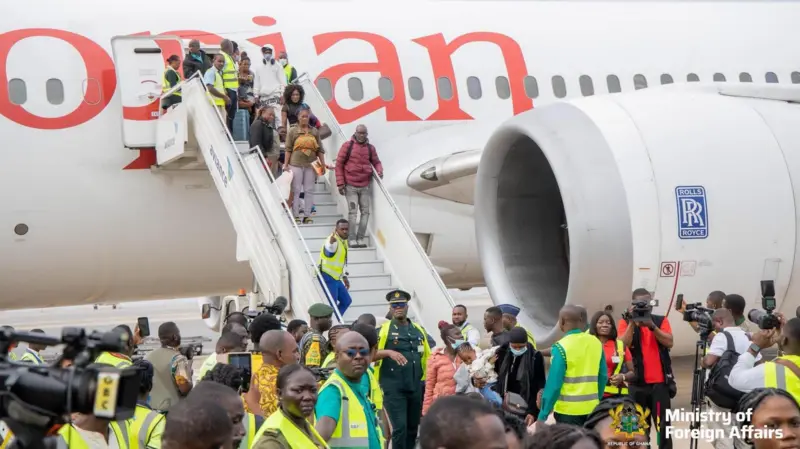
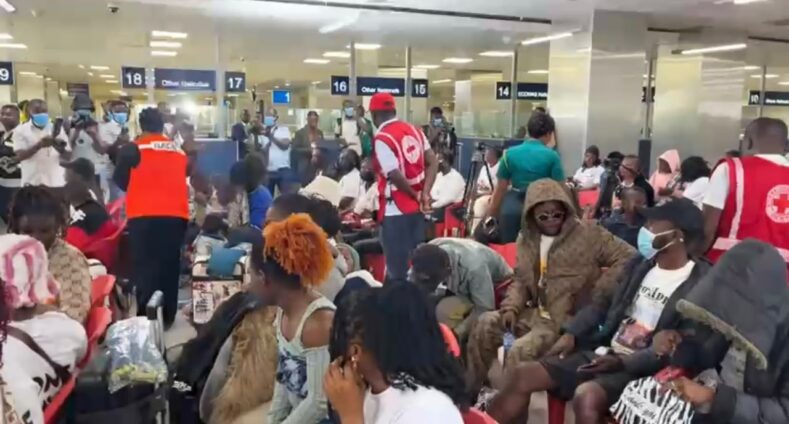
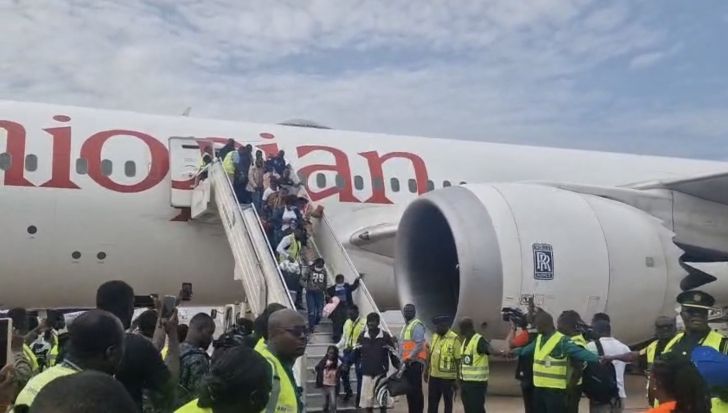
Ghana has fully funded the evacuation and reintegration of more than 1,600 of its nationals who fled South Africa following a wave of xenophobic violence, the Ministry of Foreign Affairs confirmed on Thursday. The government did not request or accept any financial assistance from the South African government, positioning Ghana distinctly apart from other African nations that Pretoria is now pursuing for compensation.
According to Foreign Affairs Minister Samuel Okudzeto Ablakwa, all costs associated with bringing Ghanaians home have been covered entirely by the Government of Ghana working with local partners. The statement represents a deliberate distancing from South Africa's controversial move to bill African nations for the costs of repatriating their citizens.
South Africa's costly repatriation burden
South Africa's Home Affairs department has informed parliament that the country spent nearly $18 million accommodating and transporting more than 80,000 immigrants who requested to return home. The xenophobic violence, which sparked mass protests against illegal immigration, prompted the South African government to facilitate large-scale repatriations.
In response, Pretoria has sent formal requests for reimbursement to multiple African nations, including Malawi, Ethiopia and Nigeria. These requests have sparked significant diplomatic friction across the continent, with several countries expressing surprise and concern at being billed for what they regard as South Africa's responsibility to manage immigration within its own borders.
Ghana's evacuation of its nationals began in May 2026 and remains ongoing. Beyond transportation, the government has committed to providing returnees with reintegration funds, travel assistance and relief items to facilitate their readjustment to life in Ghana.
What this means for Ghana's diplomatic standing
Ghana's explicit rejection of South Africa's reimbursement demands reflects both its financial capacity and its commitment to protecting citizens abroad without passing costs to host nations. The Ministry's public assertion that Ghana will not appear on South Africa's list of countries being billed sends a clear signal about the government's approach to citizen welfare and international relations.
Minister Ablakwa emphasised that the government remains committed to taking "timely and decisive action" whenever Ghanaian safety and security abroad is threatened. The evacuation demonstrates Ghana's willingness to mobilise resources quickly when nationals face danger, a posture that contrasts sharply with some neighbouring countries that have limited capacity for rapid repatriation operations.
The Ministry also expressed gratitude to President John Mahama and Ghanaian partners for supporting what it described as a "fully Ghanaian-funded evacuation." This language underscores the government's ownership of the operation and its independence from external financial pressure or obligation.
Broader context on xenophobic violence in South Africa
South Africa has experienced recurring waves of xenophobic violence targeting foreign nationals, particularly from other African countries. The recent surge in 2026 resulted in significant displacement and prompted multiple African governments to organise evacuations. The scale of South Africa's repatriation efforts—involving over 80,000 individuals—highlights the severity of the violence and its impact on the broader West and East African labour migration networks.
For Ghana, which has a significant diaspora across Southern Africa, the xenophobic attacks serve as a reminder of the risks faced by migrant workers and traders operating in the region. Many Ghanaians seek employment in South Africa due to better wages and economic opportunities, making them vulnerable during periods of civil unrest.
Source: MyJoyOnline

Comments (0)
Be the first to comment.