
Final evacuation: 900 more Ghanaians to leave South Africa as xenophobic violence crisis continues
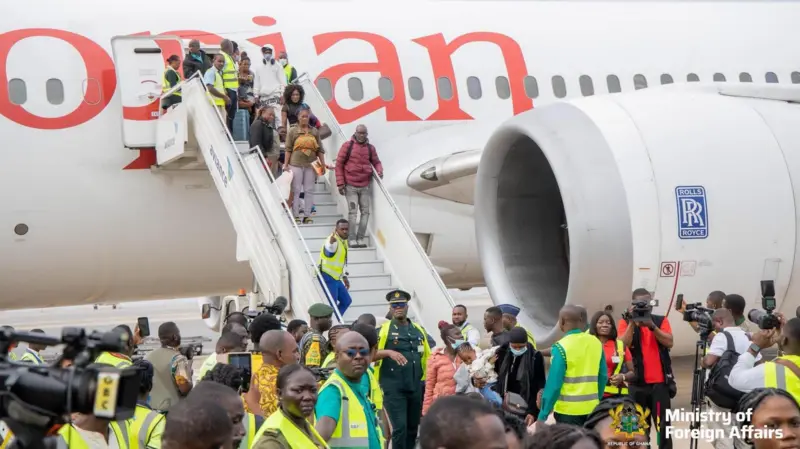
Ghana's government is preparing to bring home nearly 900 more citizens from South Africa in what has been described as the final phase of an emergency evacuation programme triggered by escalating xenophobic violence in the country. The High Commission in Pretoria has set July 25, 2026, as the departure date for the remaining registered beneficiaries, marking the conclusion of a multi-phase repatriation effort that has already successfully brought back over 900 Ghanaians.
Speaking to the Ghanaian community in South Africa on July 14, High Commissioner Benjamin Quashie confirmed that all preparations for the final wave have been completed. The evacuees will be flown out on a daily basis until all registered citizens have departed, with support from the Office of the President and the Ministry of Foreign Affairs coordinating the logistics.
Why this matters for Ghana
The evacuation represents one of the largest state-sponsored repatriation exercises in recent Ghanaian history and underscores the serious safety concerns facing migrant workers across the Southern African region. For Ghana, it highlights the vulnerability of citizens abroad and the government's responsibility to act swiftly when their welfare is threatened. The xenophobic violence in South Africa—a regional economic powerhouse and traditional destination for African migrants seeking opportunity—signals a broader challenge facing the continent as competition for resources and jobs intensifies.
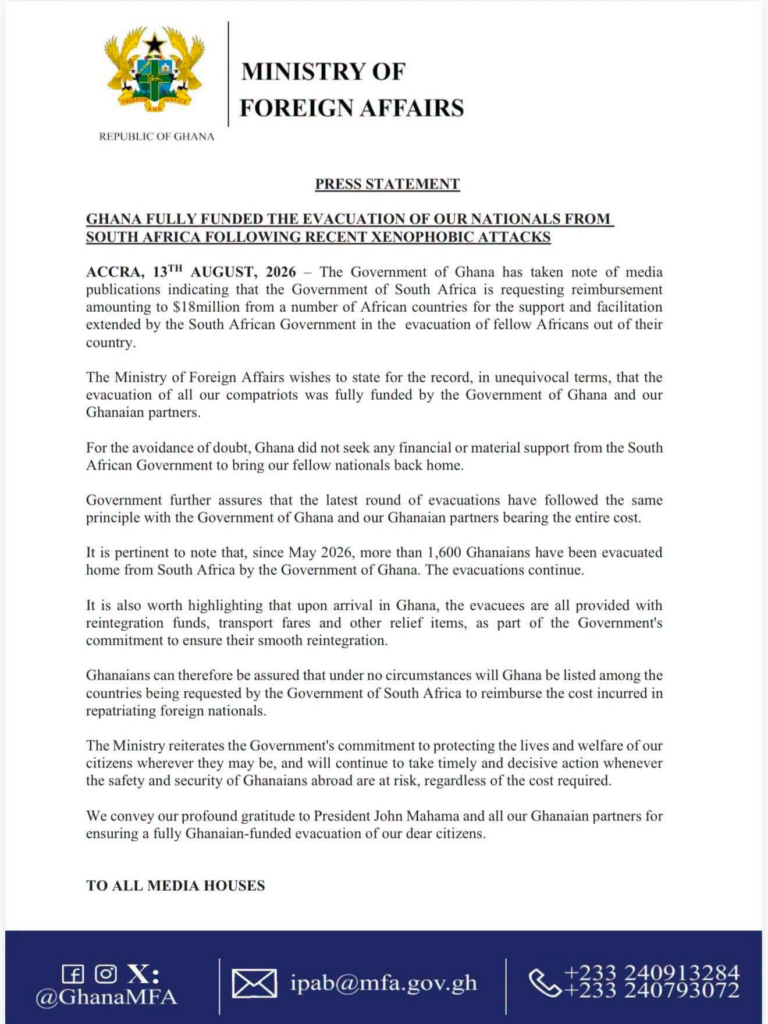
The decision to repatriate nearly 1,800 Ghanaians in total reflects both the scale of the security crisis and the financial commitment required to extract citizens from hostile environments. For families back home receiving returning relatives, the influx will place pressure on local job markets and social services, particularly in urban areas where many evacuees are likely to resettle.
Understanding the xenophobic crisis in South Africa
South Africa has long grappled with periodic outbreaks of xenophobic violence targeting foreign migrants, particularly from other African nations. These attacks have included looting, intimidation, and in some cases, loss of life. The recent violence that prompted Ghana's evacuation is part of a troubling pattern dating back decades, driven by economic hardship, competition for employment, and deep-rooted social tensions.
The crisis has drawn attention from African governments and regional bodies, with calls for South African authorities to strengthen protections for foreign nationals. Ghana is not alone in evacuating its citizens; other African nations have similarly made moves to protect their nationals from the violence.
What comes next
Once the evacuations are complete by late July 2026, Ghana's government will face the challenge of reintegrating nearly 1,800 returning citizens. This will require coordination across employment agencies, skills training programmes, and local government authorities to ensure that evacuees can find productive livelihoods at home. The Ministry of Foreign Affairs is likely to review lessons learned from this exercise to better prepare for future crises affecting Ghanaians abroad.
For Ghanaians still considering migration to South Africa or other destinations in the region, the evacuation serves as a stark reminder of the risks that can accompany economic opportunity overseas.
Source: The Ghana Report



Comments (0)
Be the first to comment.