South African corruption case unravels as key witness withdraws plea deal—what it means for regional accountability
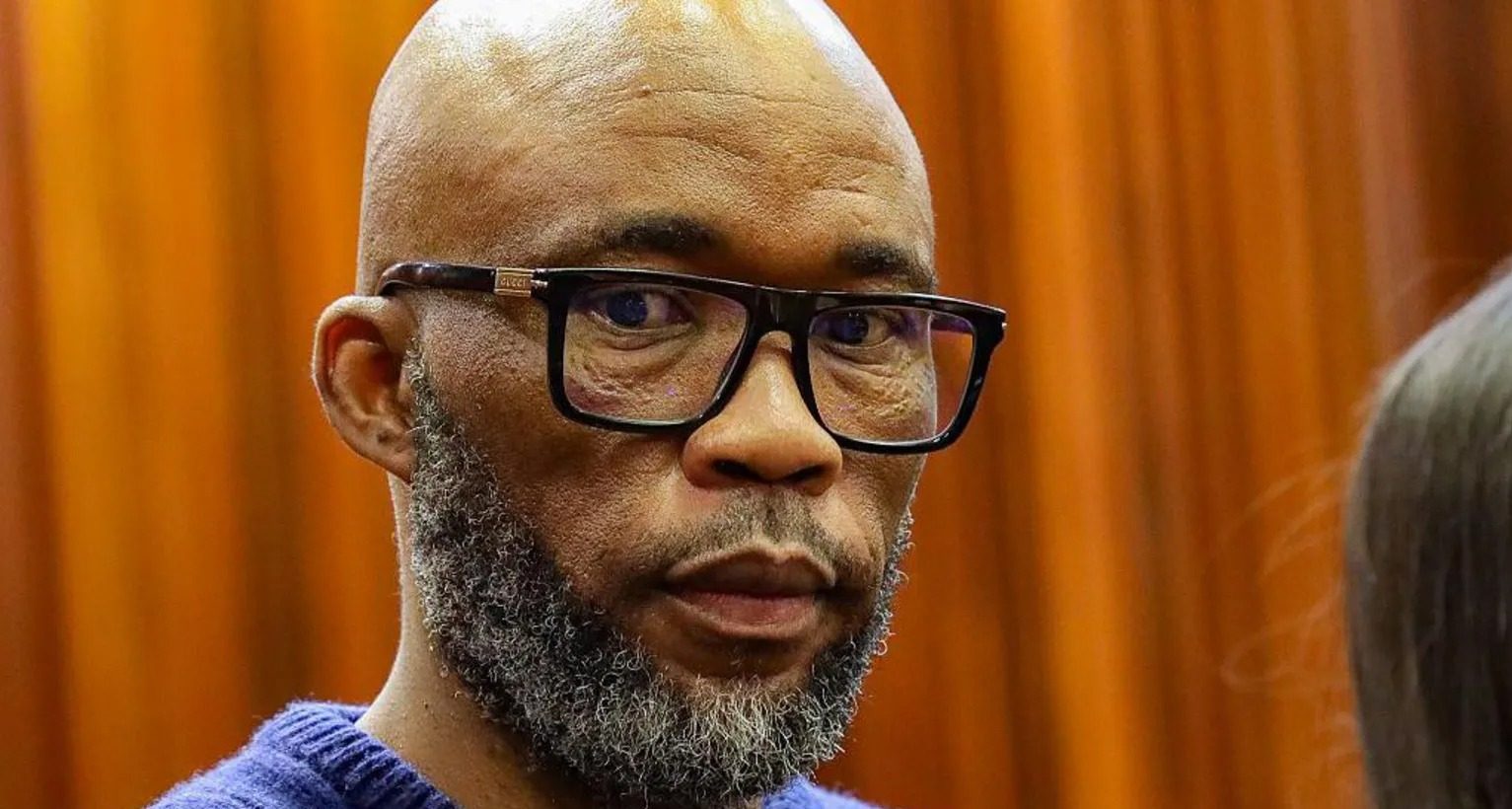
A significant development in South Africa's sprawling police corruption scandal has left prosecutors scrambling, as key suspect Vusimusi "Cat" Matlala withdrew from a plea deal that could have exposed high-ranking officials. The businessman, accused of bribing top police officers to secure a 360 million rand tender for his health company Medicare24, pulled out after a court recommended a stiffer 12-year sentence instead of the agreed eight years.
Matlala's U-turn represents a major blow to the National Prosecuting Authority's strategy. Under the original agreement, he would have pleaded guilty and testified against 12 suspects, including police chief General Fannie Masemola, in exchange for a reduced sentence. By withdrawing, prosecutors lose access to his affidavit evidence, which reportedly implicated multiple high-ranking police officials in the corruption scheme.
The unravelling case and what prosecutors say
The National Prosecuting Authority spokesperson Kaizer Kganyago insisted on Monday that the state maintains a "strong and winnable case" despite the setback. The case will return to the Johannesburg Specialised Commercial Crime Court on 11 September, with Matlala expected to resume his position as the primary suspect. However, without his testimony and guilty plea, prosecutors face a considerably harder path to conviction.
Matlala was initially offered eight years instead of the prescribed 15-year sentence. The magistrate's intervention, recommending 12 years instead, triggered the businessman's legal team to withdraw from the arrangement on Monday. The decision reflects broader tensions within South Africa's justice system about balancing accountability with cooperation incentives.
Why it matters for Ghana and the region
South Africa's corruption crisis holds significant implications for West Africa and Ghana specifically. The case exposes how organised crime syndicates penetrate state institutions at the highest levels—a concern mirrored across the continent. The alleged infiltration of South Africa's police by criminal networks raises uncomfortable questions about institutional integrity that resonate with similar challenges facing ECOWAS nations.
For Ghana, this serves as a cautionary tale about the risks of inadequate institutional safeguards. The Madlanga Commission, which has been investigating police corruption since September last year, has already heard witnesses allege collusion between the criminal underworld and senior officials. Such systemic failures underscore the importance of robust anti-corruption frameworks and independent prosecutorial bodies—areas where many African nations, including Ghana, continue to strengthen capacity.
The case also highlights broader regional challenges around organised crime's intersection with state power. As African governments grapple with drug trafficking, human smuggling, and arms dealing, the South African experience demonstrates how these networks exploit weak institutional controls. The revelation that high-ranking police and political figures may have facilitated criminal operations adds urgency to the continent's anti-corruption agenda.
The parallel investigations
Matlala is simultaneously facing a separate murder charge, which he denies. He has also been named by a witness at the Madlanga Commission as part of a drug-trafficking cartel allegedly operating within the police. Despite denying knowledge of senior police officers and politicians during parliamentary testimony last year, his involvement in the broader corruption web appears substantial.
The investigation was triggered by allegations from Lieutenant-General Nhlanhla Mkhwanazi in July last year that organised crime groups had infiltrated government structures. The Madlanga Commission's proceedings have captivated South Africa with high-stakes revelations about systematic corruption, and Matlala is due to appear on Wednesday to face further questioning.
As the case unfolds, observers across Africa will be watching closely to see whether South African institutions can successfully prosecute complex corruption schemes despite the loss of a key cooperating witness. The outcome will send important signals about accountability on the continent.
Source: The Ghana Report
.jpg)
Comments (0)
Be the first to comment.