Safety Crisis: Ghanaians in South Africa Report Living Under Constant Fear Amid Xenophobic Tensions
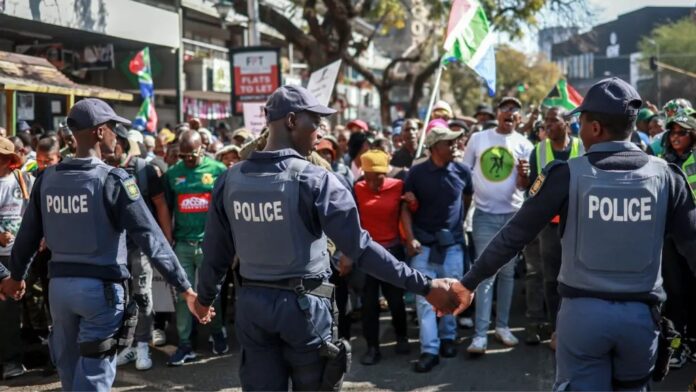
Ghanaians living in South Africa are experiencing heightened anxiety and safety concerns as xenophobic sentiments intensify across the country, with many foreign nationals reporting they now restrict their daily movements, close businesses temporarily and remain indoors out of fear for their personal security and livelihoods.
One stranded Ghanaian resident, speaking anonymously due to security fears, described how the deteriorating climate has transformed daily life into a constant struggle. He explained that what were once routine activities—going to work, opening a shop, or simply leaving home—have become calculated risks in an environment where foreign nationals face unpredictable hostility.
"We live in fear every single day. Leaving home has become a risk because you do not know what may happen or who may target you because you are a foreigner," the migrant said, highlighting the psychological toll of the situation on those who travelled to South Africa seeking economic opportunity.
The Broader Impact on Ghanaian Communities
For many Ghanaian traders and workers, the promise of better economic prospects has given way to profound uncertainty. Those who invested time and resources building businesses and supporting families back home now face difficult decisions about whether to stay or leave. The fear extends beyond property and business loss—migrants report genuine concerns about personal safety and the possibility of violent attacks.
Significantly, even foreign nationals holding valid documentation feel vulnerable. As the anonymous source noted, during moments of heightened tension, attackers do not pause to verify immigration status. Instead, decisions to target individuals are often based solely on perceived nationality or origin, rendering legal status irrelevant in volatile situations.
To manage their safety, Ghanaians and other African migrants have adopted coping mechanisms including constant monitoring of security news, maintaining regular contact with community networks to identify dangerous areas, and strategically avoiding identified flashpoints. This hypervigilance—while necessary for survival—takes a significant emotional and mental toll.
Why This Matters for Ghana
The situation affects not only the migrants themselves but also Ghana's broader diaspora policy and continental relations. Approximately 200,000 Ghanaians are estimated to live in South Africa, making it one of the largest centres of Ghanaian migration on the continent. Their security directly impacts Ghana's reputation, economic ties and soft power in the region.
Moreover, this crisis underscores the vulnerability of African citizens moving within Africa in search of better livelihoods—a fundamental right that is increasingly threatened by xenophobic violence. Ghana, as both a source of migrants and a destination country, has a vested interest in promoting continental solidarity and cooperation against such sentiments. The call from Ghanaian migrants for stronger African government cooperation resonates with broader ECOWAS and African Union priorities around free movement and regional integration.
Ghanaian authorities have advised citizens in South Africa to remain calm, avoid confrontation zones and maintain contact with diplomatic officials for assistance. However, the unnamed migrant's appeal for additional government support and protection suggests that current measures may be insufficient for those facing genuine threats.
The crisis also highlights economic implications: remittances from Ghanaians working abroad contribute significantly to household incomes and Ghana's foreign exchange reserves. Disruptions to their safety, businesses and ability to work threaten this financial lifeline for thousands of families across Ghana.
Calls for Continental Action
Beyond immediate security concerns, the situation has renewed calls for African governments to strengthen cooperation in combating xenophobia and promoting peaceful coexistence. The migrants' plea that "Africa belongs to all Africans" reflects frustration with a continent where citizens crossing borders for economic survival face organised hostility rather than solidarity.
As the situation develops, Ghana will likely face pressure to escalate diplomatic engagement with South African authorities whilst exploring support mechanisms for affected citizens. The broader lesson for West Africa and the continent is that xenophobic violence threatens not just individual migrants but the vision of an integrated, prosperous Africa where citizens can move freely to pursue opportunity.
Source: The Ghana Report



Comments (0)
Be the first to comment.