Barbara Quashigah: The Ghanaian Leader Building Bridges Between Business, Agriculture and Community Impact
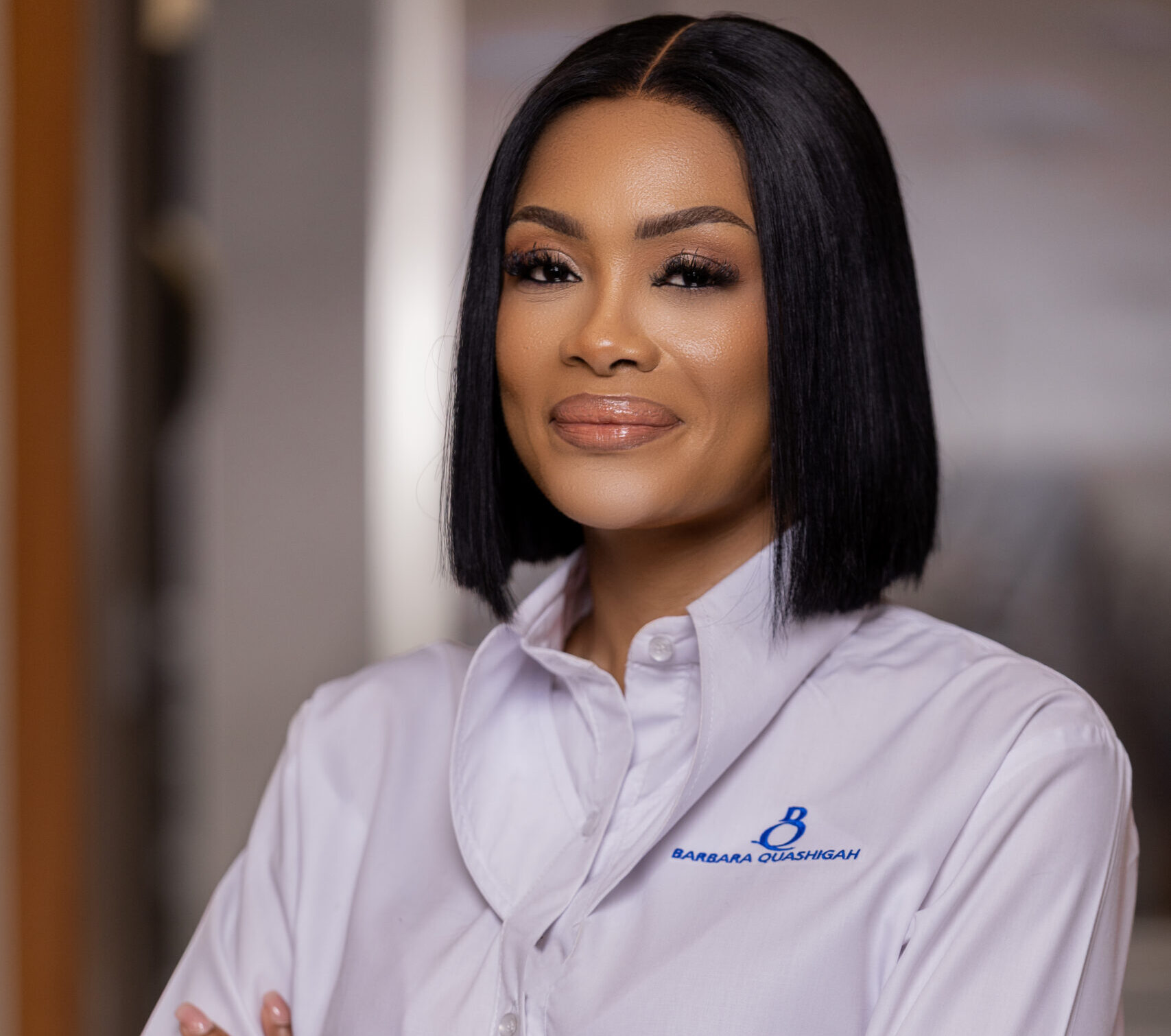
Multi-sector Leader Redefining Influence in Ghana and West Africa
Barbara Quashigah represents a growing breed of African leaders who refuse to be confined to a single sector, instead building careers that deliberately weave together business, investment, agriculture and philanthropy to create lasting value. Her professional trajectory offers a blueprint for how private enterprise, strategic partnerships and visionary leadership can collectively address Africa's development challenges.
Operating as Managing Partner of Nexus FTC Ltd, Quashigah orchestrates international investment opportunities and strategic advisory services across multiple African nations, including Angola, Togo, and the Democratic Republic of Congo. Her mandate extends to fundraising for the Ecowas Bank for Investment and Development (EBID), positioning her at the intersection of commercial interests and regional economic growth ambitions. The role demands navigating complex political and business environments whilst maintaining trust with governments, development institutions and private investors—a balancing act that defines modern African economic leadership.
Agriculture as Economic Engine and Employment Creator
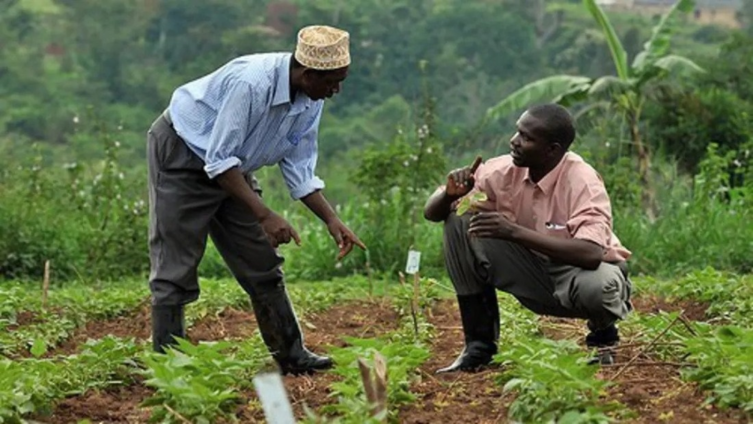
Beyond investment advisory, Quashigah has anchored her entrepreneurial credentials in Ghana's agricultural sector through Ambar Quality Foods Ltd, a company engaged in food production, commodity trading and export activities. This focus is strategically deliberate. Agriculture remains central to Ghana's economic development strategy, offering pathways to employment, food security and export revenue. Her approach demonstrates how commercial agribusiness ventures can simultaneously pursue profit and social benefit, particularly in communities where farming and food production form the backbone of livelihoods.
The decision to build scale in agriculture reflects broader continental thinking about sustainability. Whilst technology and finance capture headlines, agricultural productivity directly affects millions of Ghanaian families and generates foreign exchange crucial for national development.
Why It Matters for Ghana: Redefining Leadership and Social Investment
Quashigah's career model carries significance for Ghana's future on several levels. First, her work demonstrates that successful entrepreneurship need not come at the expense of social responsibility. Through BAAQ Initiatives, established in 2020, she has created a dedicated mechanism for empowering women and supporting young people in multiple communities. Rather than framing charity as separate from business, her approach treats community empowerment as an integrated part of economic strategy—equipping individuals with knowledge and resources to build sustainable livelihoods rather than creating dependency.
Second, her involvement in investment advisory work across West Africa strengthens Ghana's position within regional economic networks. As ECOWAS nations seek to deepen integration and attract capital, having Ghanaian leaders embedded in cross-border transaction networks benefits the country's broader economic interests.
Third, her family background—her father served as both Health and Agriculture Minister, whilst her mother worked on the Ghana School Feeding Programme—illustrates how values of public service can inform private sector leadership. This perspective counters the false separation between commerce and community responsibility that has historically weakened African institutional development.
Her involvement in political organisation through the New Patriotic Party, particularly in finance and regional mobilisation roles, suggests efforts to influence policy frameworks that affect entrepreneurship, women's economic participation and youth employment—areas where Ghana's development trajectory remains contested and critical.
Connecting Sectors for Shared Progress
What distinguishes Quashigah's approach is her explicit focus on building partnerships rather than merely building businesses. By connecting investors with institutions, government stakeholders with entrepreneurs, and development partners with community initiatives, she operates as a facilitator of broader economic ecosystems rather than just a participant in individual transactions. This role—increasingly vital in contemporary Africa—requires credibility across multiple spheres and willingness to manage conflicting interests in service of larger objectives.
For Ghana specifically, leaders who can operate effectively across business, agriculture, finance and community sectors offer models for how the country can accelerate its development whilst ensuring that growth benefits extend beyond elite circles to reach young people and women seeking economic opportunity.
Source: MyJoyOnline



Comments (0)
Be the first to comment.