Church of Pentecost Praised for Sheltering Ghanaians Fleeing South African Xenophobic Violence

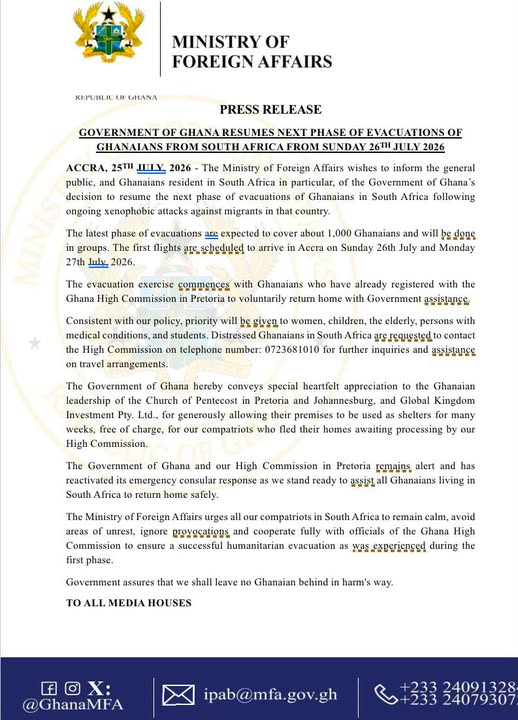
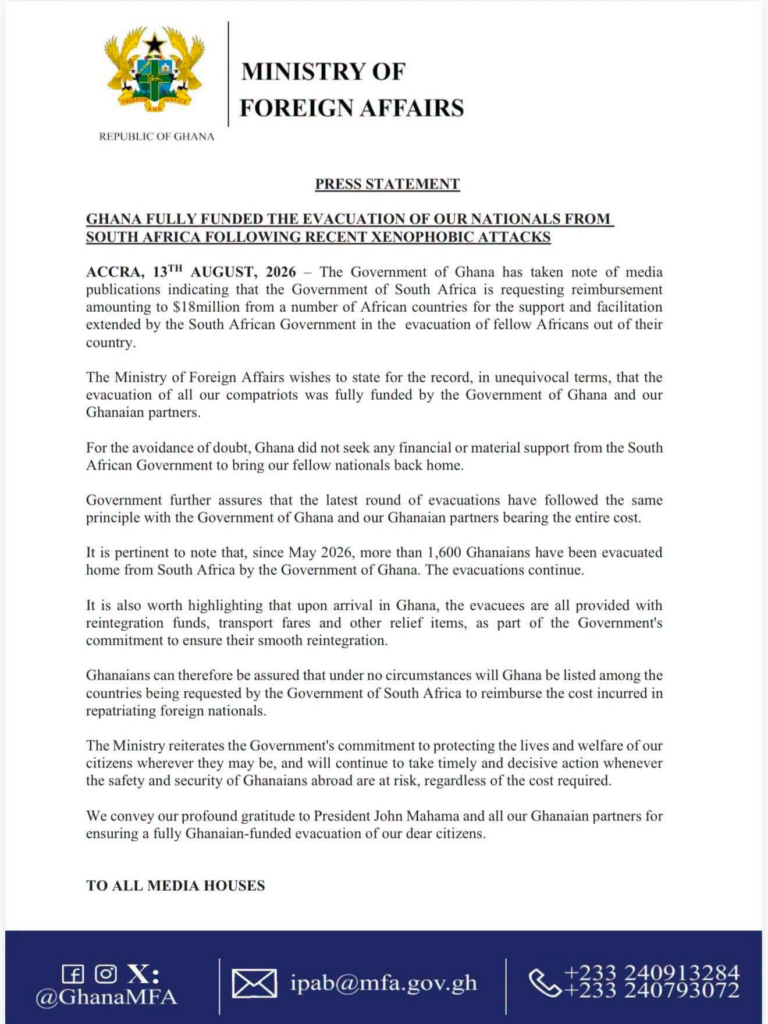
Samuel Okudzeto Ablakwa, Member of Parliament for North Tongu, has publicly recognised The Church of Pentecost's humanitarian response to Ghanaians stranded and displaced during recent xenophobic violence in South Africa. The commendation highlights the critical role that religious institutions are playing in supporting vulnerable diaspora communities during periods of civil unrest.
Ablakwa specifically praised Apostle Bernard Boakye Anyimadu, the National Head of The Church of Pentecost in South Africa, and the denomination's leadership for mobilising resources and providing shelter, food, and emotional support to distressed Ghanaians. The church's intervention has proven vital for citizens who found themselves in precarious situations with limited access to government support services during the attacks.
Xenophobic Violence and the Ghanaian Community
South Africa has repeatedly experienced waves of xenophobic violence targeting foreign nationals, including West African migrants and long-term residents. Ghanaians form a significant portion of the diaspora community in South Africa, engaged in various sectors including business, skilled trades, and domestic work. When violence erupts, these communities often lack immediate safety nets, making intervention from community and religious organisations essential for survival and protection.
The Church of Pentecost's presence in South Africa has made it a natural gathering point for Ghanaian nationals seeking refuge. Beyond temporary shelter, the church has reportedly coordinated with authorities, provided information about safe passage, and assisted in documenting cases for those seeking repatriation or legal redress.
Why It Matters for Ghana
Ghana's diaspora in South Africa represents a significant economic and social asset to the nation. Remittances from Ghanaians abroad contribute substantially to household incomes and national foreign exchange reserves. When this community faces threats, the implications extend beyond individual security—they affect family welfare back home and Ghana's broader relationship with the Southern African region.
Ablakwa's commendation also reflects growing awareness among Ghana's political leadership of the vulnerabilities facing citizens abroad. As xenophobic incidents continue to pose periodic threats across the continent, the need for coordinated diplomatic responses, clearer evacuation protocols, and partnerships with local community institutions becomes more apparent.
The Church of Pentecost's grassroots response demonstrates what local organisations can achieve when formal government structures are overwhelmed or slow to respond. This model has implications for how Ghana might strengthen support systems for diaspora communities across Africa and beyond, potentially through enhanced cooperation with religious bodies, civil society groups, and the private sector.
As tensions around migration and xenophobia persist in parts of Africa, stories of solidarity and humanitarian action offer both immediate relief to vulnerable populations and longer-term lessons in community resilience and inter-organisational cooperation.
Source: 3News


Comments (0)
Be the first to comment.