South Africa stands firm on immigration enforcement amid ECOWAS pressure over migrant crackdowns
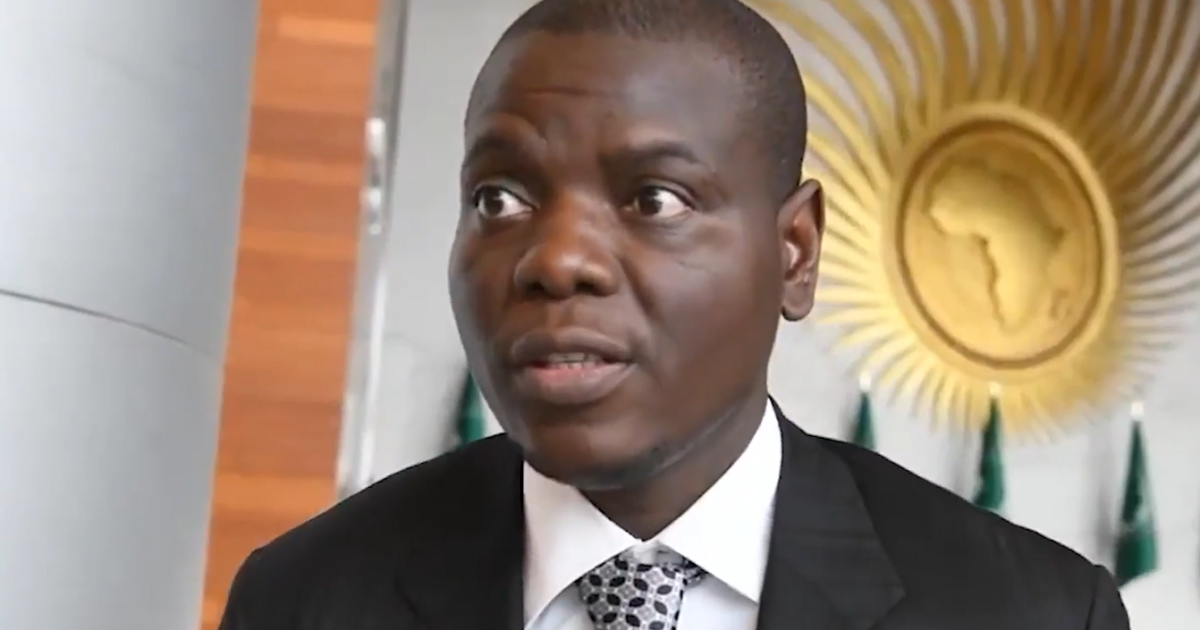
South Africa's Minister of International Relations and Cooperation Ronald Lamola has firmly rejected criticism of the country's handling of foreign migrants, asserting that Pretoria has every right to enforce its immigration regulations. His comments come as regional and international pressure mounts over alleged xenophobic violence targeting migrant communities in the southern African nation.
Speaking on Thursday, Lamola responded to concerns raised at the 69th ECOWAS Summit, where member states including Ghana formally objected to South Africa's treatment of foreign nationals. "South Africa, like any other country, has the sovereign right to enforce its own immigration laws," Lamola stated, whilst acknowledging that isolated violent incidents had occurred.
The minister characterised the current situation as having "stabilised" and claimed that the Interministerial Committee (IMC) is actively working to address irregular migration through proper legal channels. However, this assertion comes amid ongoing reports of xenophobic attacks on migrant-owned businesses and foreign nationals in South African cities.
International pressure and ICC involvement
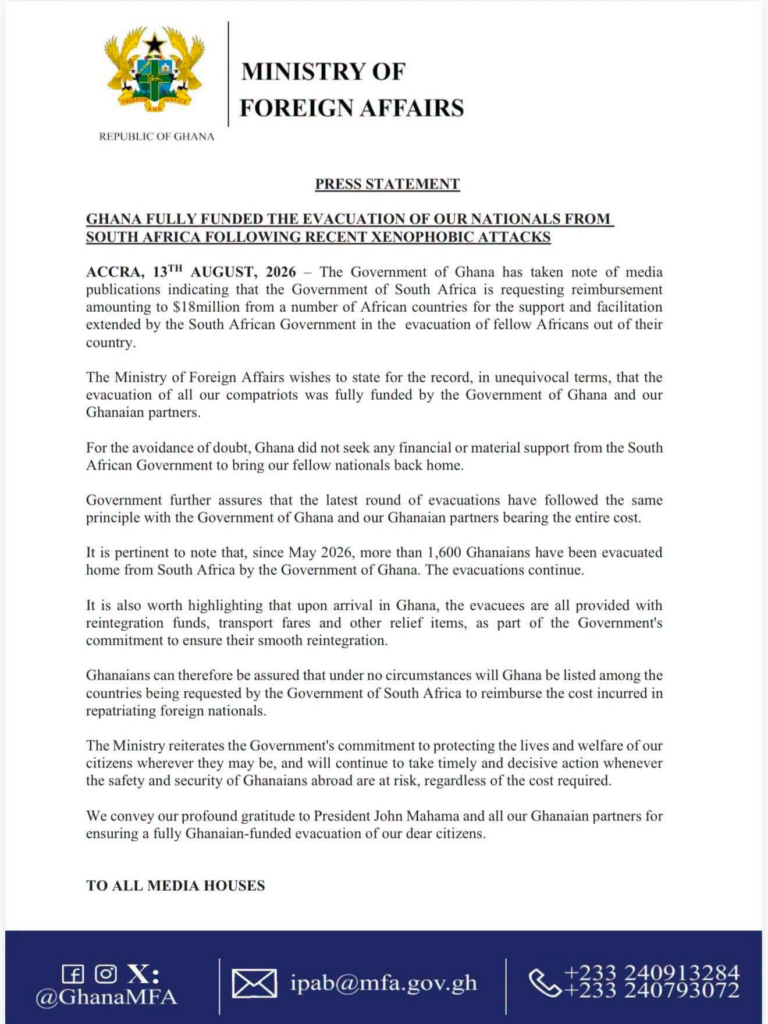
The diplomatic row has escalated beyond West African capitals. Two Ghanaian nationals have filed a petition with the International Criminal Court (ICC), requesting investigation into attacks on migrants as potential "crimes against humanity." Separately, Ghana formally raised concerns at the African Union about alleged xenophobic violence occurring within South Africa.
These moves represent a significant diplomatic challenge for South Africa, which faces mounting criticism from its West African neighbours. Ghana and Nigeria, two major economic powers in the region, have expressed serious concerns about the safety of their citizens working and residing in South Africa.
Enforcement actions and regional tensions
Lamola emphasised that South African authorities have demonstrated commitment to maintaining order, noting that approximately 82 people have been arrested nationwide for "taking the law into their own hands," including involvement in looting and vandalism. The minister framed these arrests as evidence of government resolve in controlling the situation.
Despite these claims, the broader context reveals deepening friction between South Africa and its West African partners. Recent weeks have witnessed a wave of anti-migrant protests, with foreign nationals and migrant-run businesses increasingly targeted in violent incidents. This pattern has strained diplomatic relations and raised concerns about the safety and rights of foreign workers in South Africa.
Why it matters for Ghana
For Ghana, the stakes are substantial. Thousands of Ghanaian nationals live and work in South Africa, contributing to both economies through entrepreneurship, skilled labour, and remittances sent home. The recent xenophobic violence and South Africa's emphasis on stricter immigration enforcement create uncertainty for these communities.
Ghana's decision to pursue ICC investigation and raise the matter at the African Union signals that West African governments are unwilling to accept what they view as systematic mistreatment of their citizens. The outcome of these diplomatic efforts could influence migration patterns, bilateral trade relations, and broader regional cooperation within ECOWAS and across the African continent.
The situation also highlights tensions between national sovereignty and regional responsibility—core issues affecting how African nations interact with one another. How South Africa and ECOWAS resolve this dispute may set precedents for handling migrant protection across the continent.
Source: MyJoyOnline
.jpg)

Comments (0)
Be the first to comment.