
Zimbabwe Stands Firm Against South African Expulsion Calls as Regional Tensions Simmer
.jpg)

Zimbabwe has firmly rejected calls to expel approximately 25,000 South African nationals currently residing in the country, marking a notable stance on regional solidarity even as xenophobic tensions escalate across southern Africa.
The Zimbabwean Justice Minister defended the decision by invoking Ubuntu, the philosophical principle emphasising shared humanity and communal responsibility. This principled approach contrasts sharply with mounting pressure to take punitive action against foreign nationals in the region.
The Broader Migration Context
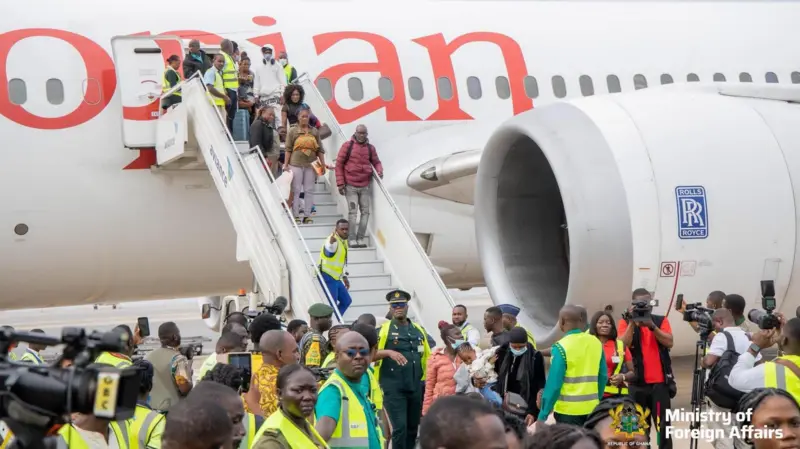
The situation unfolds against a backdrop of significant cross-border movement. Zimbabwe authorities have been screening over 99,000 returnees at its borders, suggesting substantial population flows driven by economic circumstances, seeking of opportunities, or displacement pressures. This level of border activity indicates the scale of regional migration challenges facing southern African nations.
South Africa, as the region's most developed economy, traditionally attracts migrants from across Africa seeking employment and better living conditions. However, this migration has periodically triggered xenophobic incidents and political pressure within South Africa itself, creating complex dynamics for neighbouring countries like Zimbabwe.
Why It Matters for Ghana
Though geographically distant, this regional migration standoff carries lessons for West African nations including Ghana. Zimbabwe's principled stance on protecting foreign nationals reflects broader ECOWAS ideals of free movement and regional cooperation that Ghana has historically championed through the ECOWAS protocol allowing freedom of residence and establishment.
Ghana hosts significant diaspora communities and also hosts migrants from across West and Central Africa. The precedent Zimbabwe sets—either through commitment to regional principles or capitulation to expulsion demands—influences how African nations approach the thorny balance between nationalist pressures and continental solidarity.
Additionally, Ghana's experience with xenophobia, including occasional tensions with migrant communities, makes regional approaches to migration management highly relevant. The Ubuntu philosophy cited by Zimbabwe aligns conceptually with Pan-African values that Ghana often advocates for internationally, particularly in ECOWAS forums.
The Politics of Regional Stability
Zimbabwe's rejection of expulsion demands signals an attempt to maintain diplomatic equilibrium in southern Africa, despite economic pressures that might encourage scapegoating of foreign populations. The invocation of Ubuntu suggests the government's effort to position itself on the moral high ground, even if practical challenges persist.
The screening of nearly 100,000 returnees indicates Zimbabwe is managing migration through systematic border protocols rather than mass expulsions—an approach that protects vulnerable populations whilst maintaining border security and administrative control.
For regional observers, Zimbabwe's position suggests that southern African governments remain committed, at least rhetorically, to pan-continental principles even when xenophobic sentiment rises. Whether this commitment translates into sustained protection for foreign nationals, or becomes subject to shifting political winds, remains to be seen.
Source: 3News




Comments (0)
Be the first to comment.