
US-Iran escalation threatens global oil markets and West African trade routes
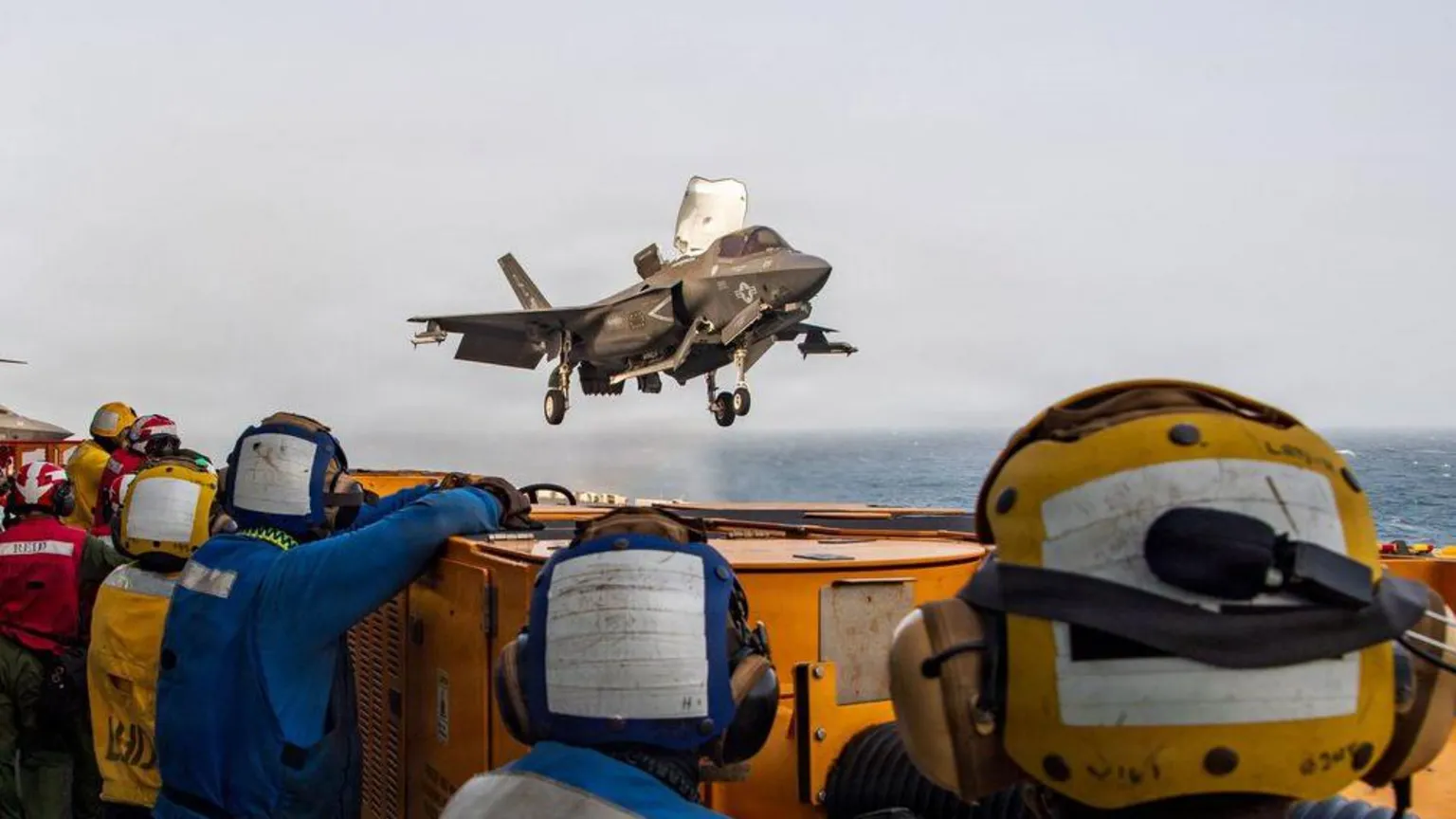

Tensions between the United States and Iran have reached a critical juncture, with the US launching its tenth consecutive night of military strikes against Iranian military infrastructure whilst Tehran retaliates with attacks on shipping vessels and regional allies. The cycle of escalation, triggered by the deaths of American soldiers, threatens to destabilise global energy markets and international trade—developments with direct implications for Ghana's economy and regional stability.
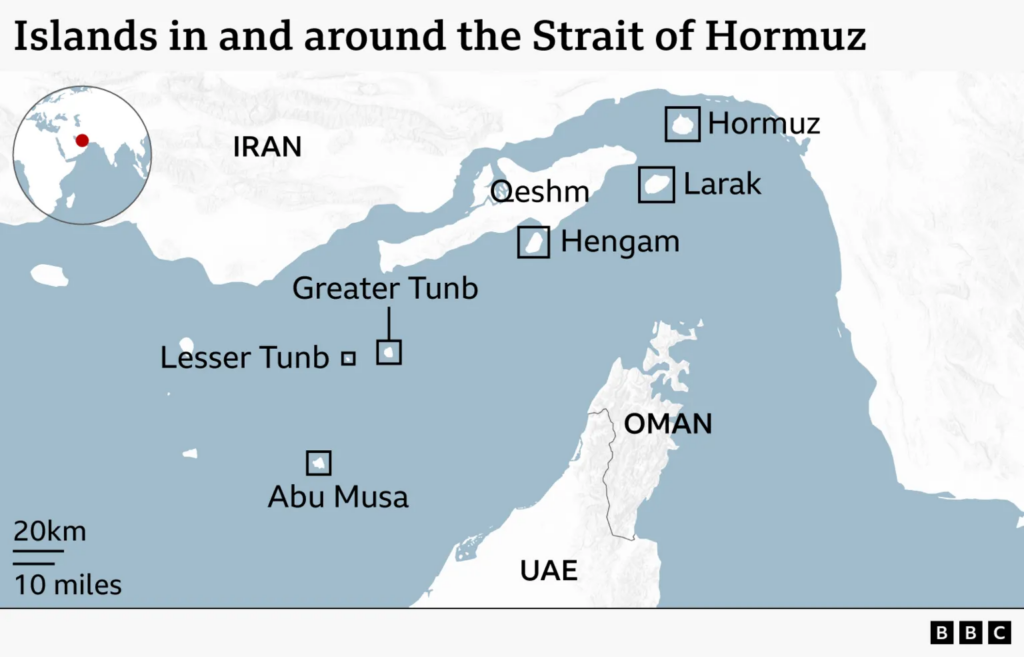
The US military has intensified operations targeting what it describes as Iranian capabilities to disrupt shipping in the Strait of Hormuz, one of the world's most strategically important waterways. Recent strikes have focused on Iranian military command centres, maritime capabilities, missile and drone launch sites, and air defence systems across multiple locations including Tabriz, Bandar Mahshahr, Bandar Imam Khomeini, Chabahar and Konarak. Iran's Supreme Leader, President Masoud Pezeshkian, has declared the country is now engaged in a "full-scale war" with the US, marking a significant escalation in rhetoric and military posture.
The immediate maritime and economic fallout
The conflict's most visible impact is the disruption to global shipping through the Strait of Hormuz, a critical chokepoint through which roughly one-third of globally traded oil passes daily. Iran has struck at least two oil tankers transiting the waterway and claimed to have targeted US military installations in Bahrain, Kuwait and Jordan. The United Kingdom Maritime Trade Operations agency confirmed that a tanker was struck by an unknown projectile, forcing its crew to evacuate.
Shipping data from maritime intelligence firm Kpler reveals the immediate economic pressure: only six fuel tankers and cargo ships crossed the Strait on Monday, down sharply from eight vessels on 19 July. Most concerning, nearly all crossings are now rerouting through the northern passage near Iran, indicating vessel operators view the strait as increasingly hazardous. This disruption threatens to push global oil prices higher, which directly affects Ghana's import bill for petroleum products and increases costs for businesses and consumers.
Iran has also claimed responsibility for striking an Amazon data centre in Bahrain with cruise missiles, whilst regional allies of the US report intercepting Iranian drones. Jordan confirmed it shot down three missiles and intercepted five drones, whilst Kuwait's armed forces reported downing Iranian unmanned aircraft. Kuwait additionally reported that Iranian attacks damaged several power and water desalination plants.
Why this matters for Ghana
For Ghana, the implications extend beyond headline news. As a West African energy importer heavily dependent on global oil markets, any sustained disruption to supply through the Strait of Hormuz could push fuel costs upwards, affecting everything from transport costs to electricity generation and industrial production. Ghana's own petroleum exports compete in global markets influenced by Middle Eastern crude availability and pricing.
Moreover, instability in the Middle East has historically prompted regional powers to shift focus and resources away from African security concerns. This escalation could divert international attention and diplomatic resources from pressing African issues, including ECOWAS security challenges and regional economic cooperation. Additionally, any broader conflict risks drawing in allies of both sides, potentially destabilising the Middle East and North Africa in ways that reverberate across West African trade and security architecture.
Significantly, both the US and Iran have reportedly maintained diplomatic channels through intermediaries despite the military escalation, suggesting space remains for de-escalation. However, the trajectory of the past ten days demonstrates how quickly tit-for-tat military responses can spiral beyond initial intentions, creating risks for civilian populations, global commerce and economic stability across continents.
Ghana and other African nations have vested interests in rapid resolution of this conflict to preserve global economic stability and prevent further disruptions to international energy and shipping markets upon which the continent depends.
Source: Today GH



Comments (0)
Be the first to comment.