Mystery on the waves: Middle East oil tankers disappearing from radar for weeks, affecting global markets

The world's oil supply chains are becoming increasingly opaque as tankers navigating the Middle East's critical shipping routes disable their positioning systems for days or even weeks at a time, according to shipping data analysts. What was once a brief tactical manoeuvre has evolved into a prolonged vanishing act, raising concerns about market transparency and energy security.
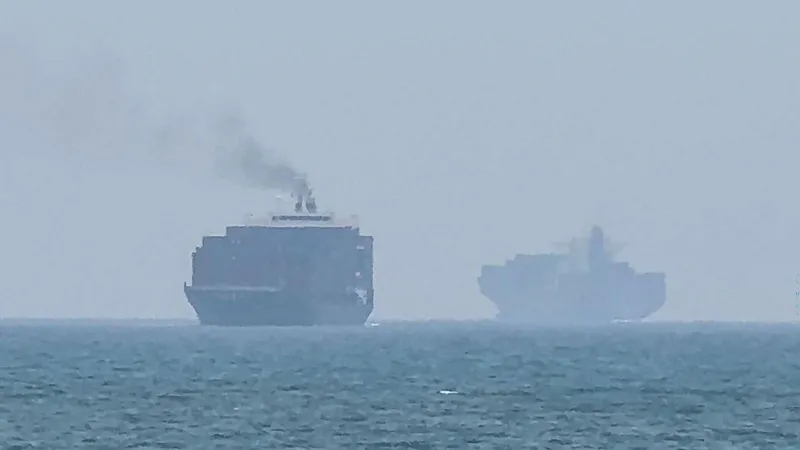
The practice, known as "dark mode," involves ships switching off their Automatic Identification System (AIS) transponders to avoid detection. While tankers have long used this technique to transit through contested waters, the duration and frequency of these blackouts have intensified dramatically. Recent data shows vessels disappearing for up to 10 days or longer, compared to the few hours typically needed to cross a strait.
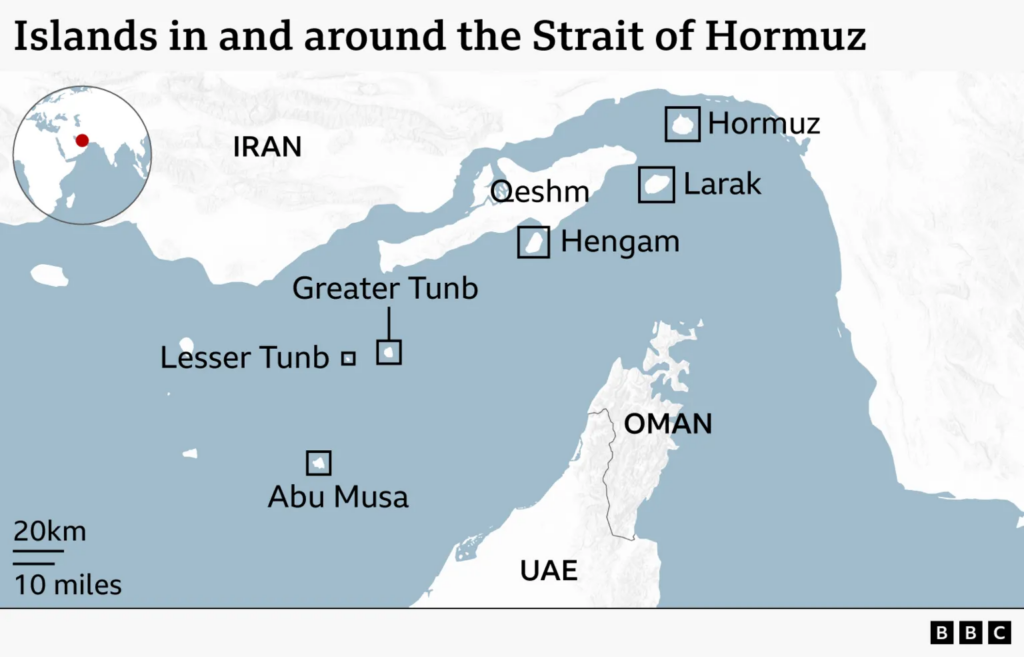
The Strait of Hormuz, which handles roughly a third of the world's seaborne oil trade, has been the primary flashpoint. However, the Red Sea's Bab el-Mandeb Strait—another crucial passageway—has also become a hotspot for dark-mode operations, particularly as Iran-aligned Houthis continue targeting Saudi-linked vessels and oil exports.
Why it matters for Ghana
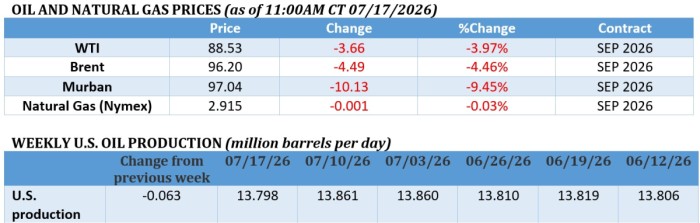
Ghana's economy relies significantly on stable global oil prices and reliable energy supplies. As Africa's second-largest crude oil producer, Ghana exports oil into international markets where these same Middle Eastern shipping routes determine pricing and availability. When transparency in oil flow data breaks down, it creates market uncertainty that can drive up prices at the pump for Ghanaian consumers and affect government revenues from petroleum sales. Additionally, disruptions to global energy supplies can impact Ghana's own energy security and the cost of imported fuel, ultimately affecting transportation, electricity rates, and overall cost of living for ordinary Ghanaians.
The broader implications extend to Africa's energy transition ambitions. As the continent grapples with energy poverty and climate goals, unpredictable oil markets and geopolitical volatility in Middle Eastern shipping lanes complicate long-term energy planning for nations like Ghana.
The transparency crisis
The extended disappearances make it extraordinarily difficult for analysts, traders, and policymakers to accurately track how much crude is actually flowing out of the Middle East to global buyers. In one notable case, the supertanker Romania Prosperity vanished from radar near Fujairah in the Gulf of Oman at the end of July, only to reappear 10 days later. Observers could not determine whether the vessel retained its original cargo, had transferred oil to another ship, or had returned for additional supplies.
This opacity undermines the accuracy of global oil market estimates and creates information asymmetries that can be exploited by traders. When reliable data disappears, price discovery becomes murkier, potentially leading to more volatile and less efficient markets.
Dual motivations
The reasons behind dark-mode operations are multifaceted. Saudi vessels transiting the Red Sea have adopted the practice to shield their positions from Houthi militant groups, which have conducted numerous attacks on commercial shipping in recent months. Simultaneously, tankers moving through the Strait of Hormuz appear motivated by a combination of geopolitical tensions and the desire to obscure cargo movements from regional actors and international scrutiny.
The extended duration of these blackouts suggests that operators may also be using the dark periods to conduct ship-to-ship transfers of cargo, repositioning assets, or simply waiting out periods of heightened risk. The practice underscores the precarious state of Middle Eastern shipping and the willingness of industry players to sacrifice transparency for security and operational flexibility.
As regional tensions persist, the trend toward prolonged dark-mode operations is likely to continue, further complicating global energy markets and creating ripple effects across Africa's developing economies.
Source: The Ghana Report
Comments (0)
Be the first to comment.