
Global Oil Crisis Could Hit Ghana's Fuel Prices as Shipping Chaos Pushes Crude Past $100
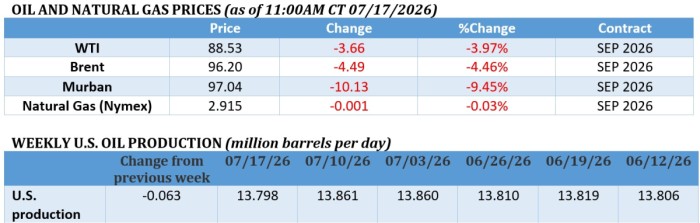

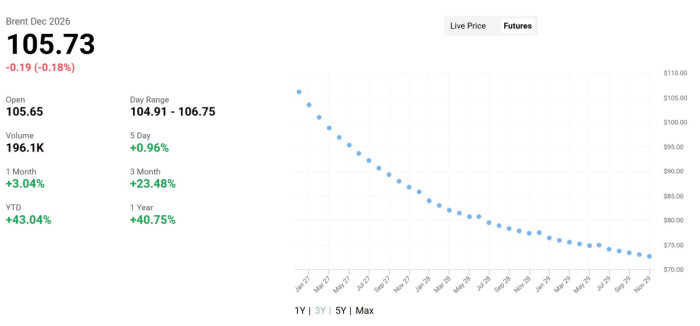
Ghana faces potential fuel price increases as global oil markets tighten following major disruptions to key shipping routes in the Middle East and Red Sea. The blockade of the Strait of Hormuz and Bab el-Mandeb—two critical passages for crude oil transport—has already pushed oil prices up by $10 per barrel this week, with market analysts predicting prices could exceed $100 per barrel as supply constraints intensify.
The disruptions are forcing oil tankers to take longer, costlier routes around Africa to avoid security threats, driving up transportation costs globally. For Ghana, which imports virtually all its refined petroleum products and relies heavily on stable global energy prices, this volatility poses significant challenges to fuel affordability and energy planning.
What's driving the oil price surge
The dual blockade stems from Houthi attacks on shipping in the Red Sea and geopolitical tensions affecting the Strait of Hormuz, one of the world's busiest oil chokepoints. Recent missile attacks on Saudi tankers have forced shipping companies to avoid the region entirely, with some opting for the longer route around the Cape of Good Hope—adding weeks to journeys and substantially increasing costs.
Qatar Energy has already extended force majeure declarations on liquefied natural gas deliveries, while OPEC+ is attempting to offset supply pressures by increasing production targets. However, these efforts may prove insufficient to prevent sustained price increases if shipping disruptions continue beyond the third quarter of 2026.
Why it matters for Ghana
Ghana's economy is particularly vulnerable to oil price shocks. As an oil-importing nation without significant domestic refining capacity, the country imports refined products at international prices. Elevated crude costs translate directly into higher fuel prices at the pump, which cascades through the economy—increasing transport costs, raising prices for goods and services, and straining household budgets and businesses.
The anticipated move toward $100-per-barrel oil also complicates Ghana's fiscal planning. Government fuel subsidies, which have proven costly in the past, may come under renewed pressure. Additionally, higher energy costs could increase electricity generation expenses, as thermal power plants burning fossil fuels make up a significant portion of Ghana's energy mix.
For context, Ghana's own oil production—from fields like Jubilee and TEN—represents about 2-3% of government revenue and is crucial for foreign exchange. However, the nation remains a net importer of refined products, meaning global price spikes hurt more than they help.
Looking ahead
The trajectory of global oil prices will depend on whether shipping disruptions persist and how quickly geopolitical tensions ease. Market watchers expect continued volatility through at least the end of 2026. Ghana's policymakers and businesses should monitor international developments closely and consider strategies to cushion consumers and industries from sharp price increases. This could include reviewing energy efficiency measures, exploring renewable energy investments, and preparing contingency plans should fuel prices surge further.
Source: The Ghana Report

Comments (0)
Be the first to comment.