
Oil prices slip as US considers shadow fleet sanctions—what it means for Ghana's fuel costs


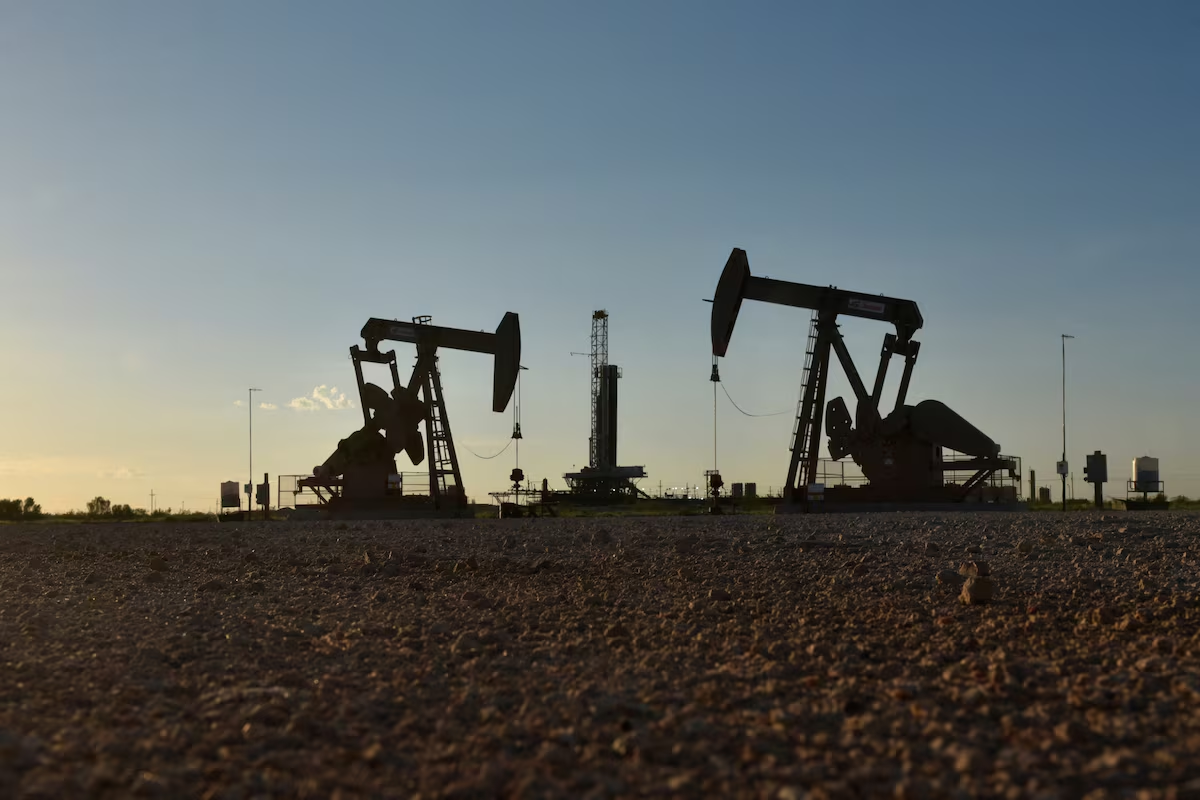
Oil prices edged downward on Friday as markets absorbed mixed signals from Washington's potential easing of sanctions on vessels illegally transporting crude, while geopolitical tensions in the Middle East continued to create upward pressure on energy costs.
Brent crude futures declined 41 cents (0.39%) to $105.51 per barrel, whilst US West Texas Intermediate (WTI) crude fell 54 cents (0.55%) to $97.43 a barrel by early trading. The modest pullback followed a stronger Thursday session, when WTI had surged more than 3% on the back of a significant US crude stock drawdown.
The shadow fleet dilemma and freight rate pressures
The Trump administration is reportedly considering sanctions relief for vessels in the so-called shadow fleet—aging tankers operating without transparency that transport oil from sanctioned nations including Russia, Iran and Venezuela. The rationale behind this policy shift is to ease globally elevated shipping freight rates, which have climbed to record levels and are feeding into fuel prices worldwide.
This move comes just days after President Trump temporarily lifted sanctions on Russian diesel fuel, a decision that sparked backlash from Ukrainian leaders, European governments and some US Senate Republicans. The administration's apparent pivot reflects concern that current sanctions regimes are contributing to supply chain disruptions and elevated energy costs for consumers.
According to energy analysts at Haitong Futures, market participants remain unconvinced by traditional demand-management measures. The International Energy Agency announced on Thursday that it would release over 20 million barrels of diesel into global markets, supplementing a record emergency reserve drawdown pledged in March. However, traders signalled dissatisfaction with these interventions through continued price momentum overnight Thursday.
Middle East tensions and supply disruptions
Whilst policy discussions dominate headlines, the real driver of price volatility remains the deteriorating security situation in the Red Sea and Arabian Peninsula. Escalating conflict between Saudi Arabia and Yemen's Houthi movement has triggered a surge in attacks on commercial shipping, with the past ten days alone witnessing dozens of incidents.
On Thursday, Houthis fired missiles at a presidential palace complex in the southern Yemeni city of Aden, killing two guards. In parallel, the Saudi-led coalition reported dozens of attacks on Saudi infrastructure. Iran has signalled it is intensifying strikes in retaliation against US port blockades and newly imposed sanctions introduced last month, further complicating the regional security picture.
Why it matters for Ghana
Ghana's reliance on imported refined petroleum products makes the country vulnerable to swings in global crude prices and shipping costs. Any sustained elevation in oil markets directly feeds into domestic petrol and diesel retail prices at the pump, affecting transport operators, businesses and household budgets.
The potential easing of sanctions on the shadow fleet could paradoxically work in Ghana's favour by reducing freight premiums, which would lower import costs for refined fuel. However, this benefit depends heavily on whether geopolitical de-escalation in the Middle East materialises. Continued Houthi attacks on shipping lanes could trigger new shipping route diversions and higher insurance costs, offsetting any policy-driven relief.
For Ghanaian policymakers and the downstream petroleum sector, the next weeks will be critical. Market watchers suggest that meaningful downward pressure on oil prices will only emerge if Middle East tensions ease substantially—a scenario that remains uncertain given the current trajectory of regional conflicts.
Source: The Ghana Report



Comments (0)
Be the first to comment.