Global Oil Market Stabilises as G7 Releases Emergency Reserves Amid Middle East Export Surge
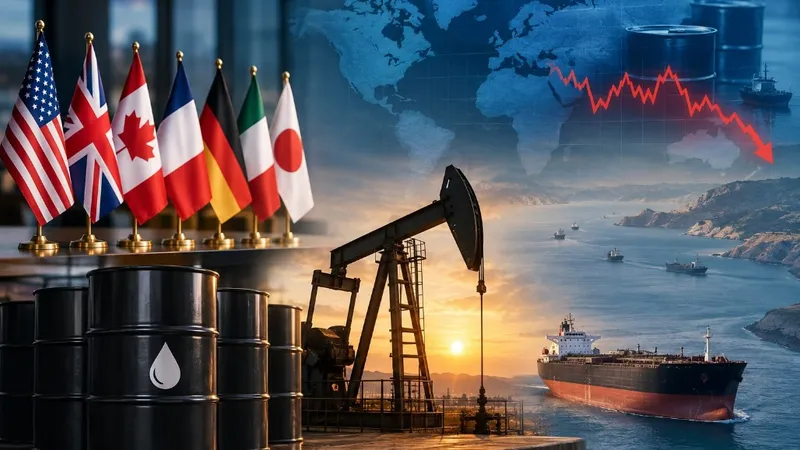
International oil markets have shown signs of stabilisation following coordinated action by the Group of Seven (G7) industrialised nations to release emergency petroleum reserves, combined with a notable increase in exports from Middle Eastern producers. The dual pressure on supply has helped ease crude prices from earlier highs, offering some relief to fuel-dependent economies including Ghana.
The G7 Intervention and Market Response
The G7's decision to tap strategic petroleum reserves represents a significant policy move designed to counteract supply disruptions and volatility in global energy markets. When major economies act in concert to release stored oil, it signals confidence in managing supply concerns and typically dampens price speculation. This coordinated approach underscores the importance these nations place on stable energy prices for economic growth and consumer protection.
The timing of this intervention coincides with rising Middle Eastern crude exports, which have accelerated as production ramped up. This combination creates a supply environment that is less constrained than earlier market predictions suggested, allowing prices to ease from peak levels that had threatened to squeeze fuel importers across Africa and beyond.
Why It Matters for Ghana
Ghana's economy remains sensitive to international oil price movements. As a net energy importer, the country faces direct impacts on fuel costs for transportation, power generation, and industrial production whenever crude prices spike. Lower international oil prices translate into reduced pressure on local fuel pump prices, potentially easing inflation and transport costs that affect ordinary Ghanaians.
Additionally, Ghana's own oil production sector benefits from price stability within a sustainable range. Extreme volatility creates uncertainty for local producers and investors in Ghana's petroleum industry, so moderate price levels supported by adequate global supply provide a more predictable operating environment. The G7 action and Middle Eastern export increases signal that global energy markets are moving toward greater equilibrium, which supports both consumer interests and industry planning in Ghana.
Beyond immediate fuel costs, crude price moderation can help ease pressure on Ghana's foreign exchange position and government budget. When international oil costs fall, import bills shrink, reducing demand on scarce foreign currency and lessening fiscal strain on state budgets—benefits that can support macroeconomic stability.
Ongoing Uncertainties
Despite the current easing, global energy markets remain exposed to geopolitical risks. Middle East tensions and ongoing conflicts continue to pose supply risks that could reverse gains if they escalate or disrupt export corridors. Observers note that strategic reserves are finite resources, meaning repeated emergency releases cannot be a permanent solution to supply constraints. Long-term market stability depends on sustained production capacity and continued diplomatic efforts to prevent regional escalation.
Ghanaian policymakers and businesses should view the current price moderation as an opportunity to plan ahead, strengthen energy efficiency measures, and secure fuel stocks where prudent, rather than assuming relief will persist indefinitely. The energy landscape remains dynamic, and sustained vigilance on global developments remains essential.
Source: 3News
Comments (0)
Be the first to comment.