Oil prices tumble as US-Iran talks reignite hopes for Middle East stability
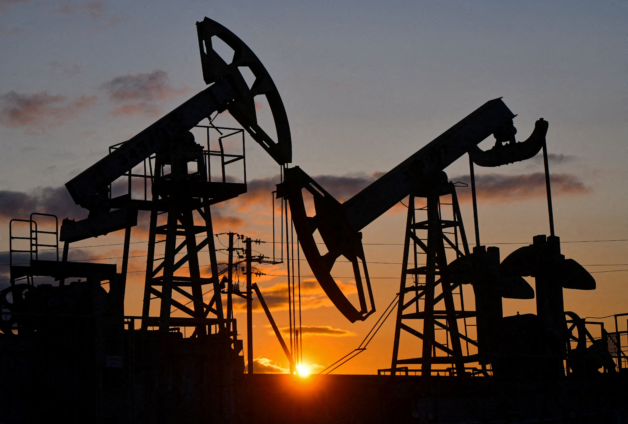
Global oil markets are experiencing their longest losing streak in months as fresh diplomatic engagement between the United States and Iran has sparked investor optimism about a potential resolution to Middle East tensions. Brent Crude fell approximately 1% to $98.30 per barrel on Wednesday, whilst the U.S. benchmark WTI Crude dropped 1.4% to $89.49, extending losses that mark six consecutive days of decline.
The weakness in crude prices reflects a significant shift in market sentiment following confirmation of U.S.-Iran talks held on the sidelines of the UN General Assembly in New York. President Donald Trump indicated on Tuesday that representatives from both nations had conducted "a very good meeting, a very productive meeting" and that further talks were scheduled.
What the diplomatic shift means for energy markets
The prospect of successful negotiations has eased longstanding concerns about potential supply disruptions from one of the world's most strategically important regions. Analysts suggest traders are pricing in the possibility that improved relations could lead to the reopening of key shipping lanes and restoration of oil flows currently constrained by regional tensions.
Tim Waterer, chief analyst at KCM Trade, explained the market dynamic: "Despite the continued tough rhetoric, the market is choosing to price in the possibility of talks." This reflects a pragmatic assessment that even tentative diplomatic progress can substantially alter energy supply calculations.
Beyond diplomatic developments, oil markets are also responding positively to signs of operational recovery in Saudi Arabia's critical infrastructure. The East-West pipeline, a crucial conduit that allows the kingdom to bypass the Strait of Hormuz, was shut down for over 10 days following drone attacks on September 10. The pipeline has since resumed operations at reduced capacity, with Saudi Aramco working to restore flows to approximately 4 million barrels per day within weeks.
Why it matters for Ghana and West Africa
Oil price movements carry direct implications for Ghana's economy and energy sector. As a significant oil producer, Ghana's export revenues and government budgets are sensitive to crude price fluctuations. Lower oil prices reduce potential earnings from petroleum sales, affecting both public finances and investment in critical infrastructure projects. Additionally, Ghana imports refined petroleum products; lower crude prices typically translate to reduced fuel costs at the pump, benefiting consumers and businesses dependent on transportation.
For West Africa more broadly, regional energy security and economic stability are influenced by global oil market dynamics. Ghana's neighbours also depend on reliable energy supplies and stable commodity pricing to support development initiatives.
The current losing streak represents the first such six-day consecutive decline since August 2025, suggesting a meaningful repricing of energy markets based on geopolitical reassessment rather than fundamental supply disruptions.
Source: The Ghana Report

Comments (0)
Be the first to comment.