Oil prices dip as Middle East tensions ease slightly, but Ghana's fuel costs remain under pressure
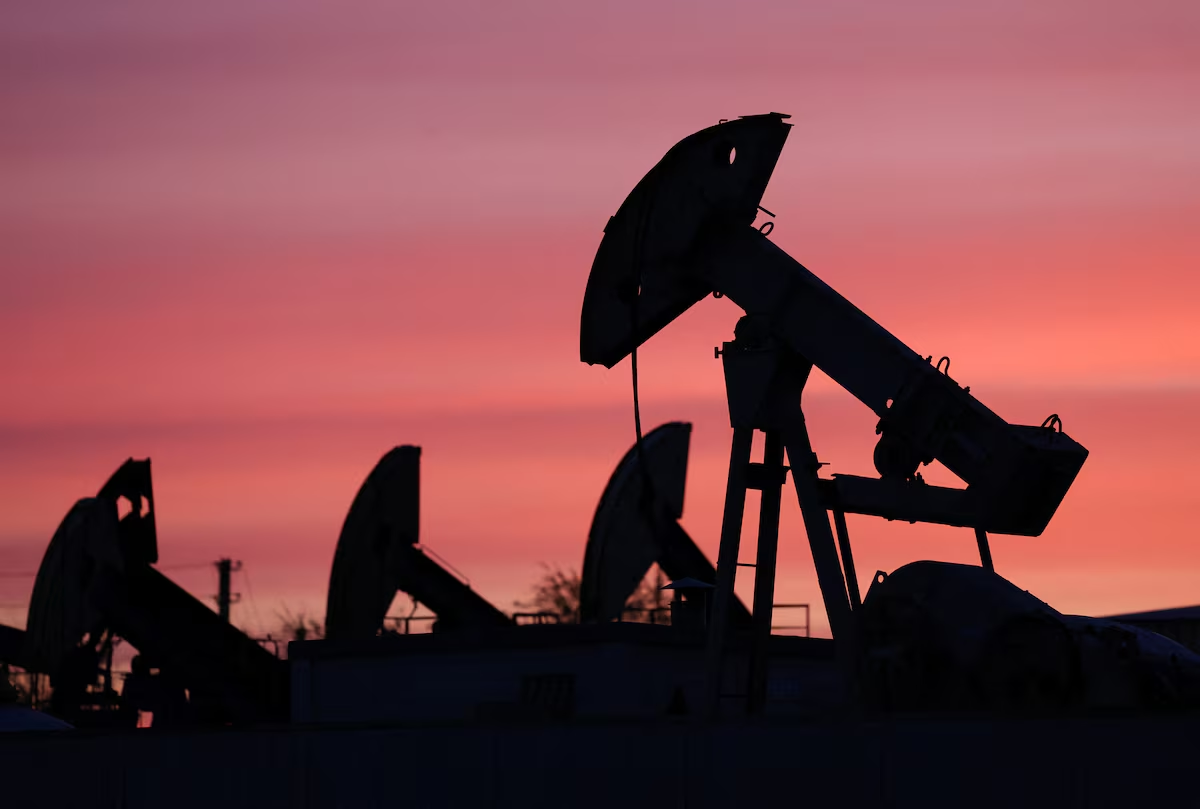
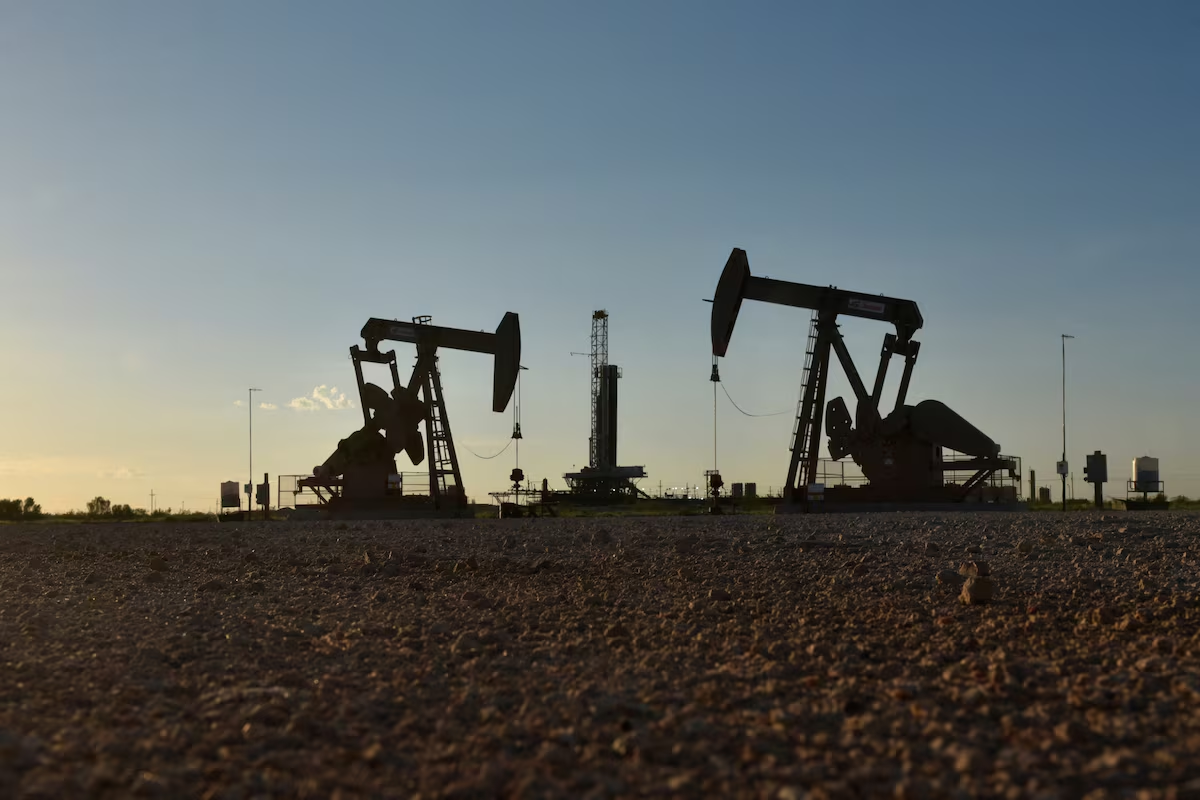
Oil prices slipped on Friday as supplies flowed more freely through critical Middle Eastern waterways, offering temporary relief to global energy markets. Brent crude fell $1.03 (1.2%) to $88 a barrel, whilst U.S. West Texas Intermediate dropped $1.50 (1.8%) to $82.09. Despite the daily decline, both benchmarks remain on track for a monthly rise of approximately 20%, underscoring the volatile backdrop shaping energy costs worldwide—and by extension, Ghana's fuel pump prices.
What's driving the volatility
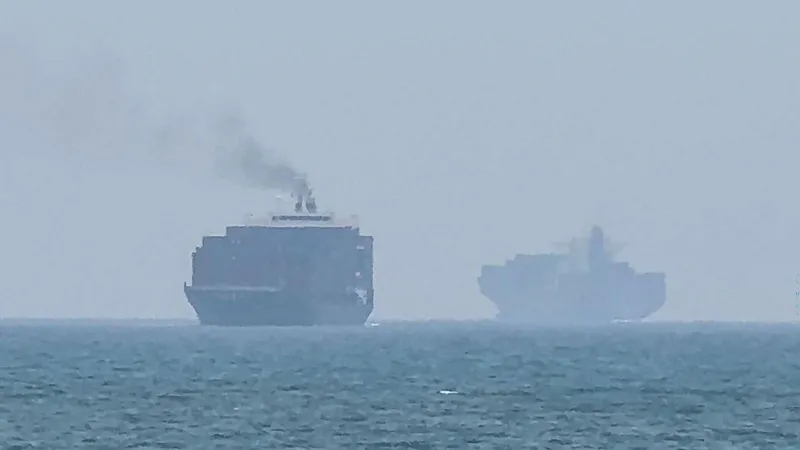
The oil market is caught between competing pressures. Tensions in the Middle East, particularly involving the United States and Iran, continue to threaten supply stability. However, increased crude flows through the Strait of Hormuz—which normally carries about a fifth of global oil and liquefied natural gas shipments—are offsetting some of that geopolitical risk, at least temporarily.
The Red Sea, Bab El-Mandeb Strait, and the Gulf of Aden have all become focal points for energy markets. Saudi Arabia is spearheading a multinational maritime defence coalition involving 14 nations, including Djibouti, Egypt, Pakistan, Sudan and Turkey, to secure these critical shipping routes. Meanwhile, Iran-aligned Houthi militants in Yemen have declared a naval blockade on Saudi Arabian oil exports, further complicating an already tense regional situation.
According to Daniel Hynes, a senior commodity analyst at ANZ, crude is edging lower as rising Middle East tension is being offset by signs of increased flows through the Strait of Hormuz. Yet analysts caution that whilst prices have eased from recent highs, the broader trend remains constructive for oil producers—meaning persistently elevated prices for consumers.
Why it matters for Ghana
For Ghanaians, global oil price volatility translates directly to pump prices at the fuel station. Ghana is a net oil exporter, but domestic fuel consumption relies on both local production and imports, with international crude prices heavily influencing what consumers pay. A 20% monthly rise in global benchmarks puts upward pressure on the local petroleum price, affecting transportation, electricity generation, and the cost of goods and services across the economy.
The geopolitical risks unfolding in the Middle East—a region critical to global energy security—create unpredictability that extends far beyond the region itself. Supply disruptions or sustained elevated risk premiums in global markets mean Ghana's own energy policy and pricing mechanisms face headwinds. For businesses and households already grappling with inflation, further fuel price increases compound economic challenges.
Additionally, Ghana's downstream petroleum sector, which relies on imported refined products when local refinery capacity cannot meet demand, is sensitive to these international price movements. Any sustained spike in crude costs will likely feed through to retail fuel prices within weeks.
What analysts expect
Whilst tanker traffic has continued through both the Strait of Hormuz and the Red Sea, elevated security risks have boosted freight costs and insurance premiums. These added expenses embed a significant geopolitical risk premium into oil prices, according to Priyanka Sachdeva, an analyst at Phillip Nova. Even as prices ease from recent highs, the broader trend suggests crude will remain elevated in the near term.
The monthly 20% gain signals that despite short-term pullbacks, the structural backdrop—geopolitical tension, supply uncertainty, and elevated risk premiums—continues to support higher crude valuations. For Ghana, this underscores the importance of closely monitoring international energy developments and adjusting domestic petroleum pricing and policy accordingly.
Source: MyJoyOnline

Comments (0)
Be the first to comment.