US-Iran Talks Resume at UN as Oil Prices Remain Volatile; What Ghana Should Know
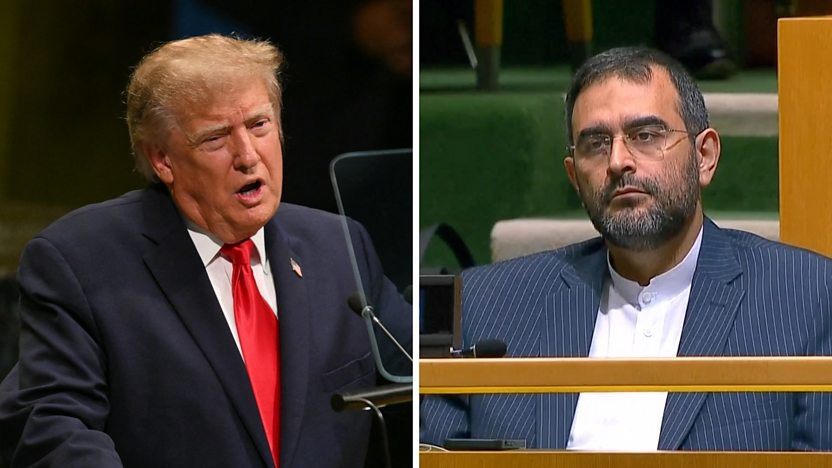
Diplomatic tensions between the United States and Iran have reignited after officials from both nations met at the United Nations in New York, marking their first substantive talks since a ceasefire agreement collapsed in June. The discussions, mediated by Qatar and involving Iranian Foreign Minister Abbas Araghchi and US President Donald Trump's envoy Steve Witkoff, took place against a backdrop of escalating military rhetoric and economic uncertainty that reverberates far beyond the Middle East.
While both sides characterised the three-hour meeting as productive, no concrete breakthrough emerged. Witkoff stated that discussions had been completed "that we hope will prove constructive and promising," though Iran reiterated its core demand for an end to US military "acts of aggression" and a broader ceasefire across multiple fronts. The talks occurred on the same day Trump delivered a combative address to the UN General Assembly, where he threatened to "annihilate" Iran should diplomatic efforts fail, describing a choice between negotiating a deal or driving the country "into hell."
The Escalating Cycle of Military Action
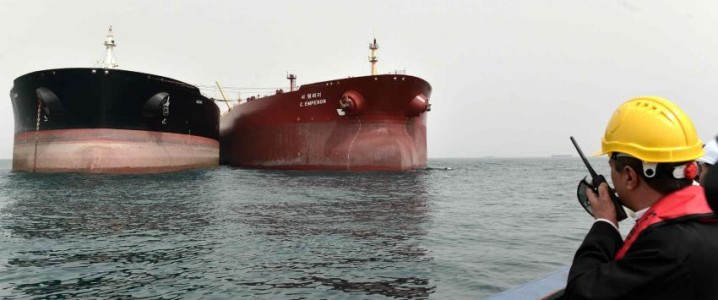
The conflict between the US and Iran intensified dramatically following air strikes launched on 28 February, which prompted Iranian retaliation against both Israel and US military installations in the Gulf region. Since the June ceasefire unravelled, hostilities have continued intermittently, with both sides engaging in tit-for-tat operations. Iran has targeted vessels attempting to transit the Strait of Hormuz without authorisation, whilst the US has struck Iranian sites and tankers off Iran's coast. Additionally, the US has maintained a comprehensive blockade of Iranian ports, inflicting severe economic damage on Tehran's already struggling economy.
Beyond direct US-Iran confrontation, the conflict has expanded to include Iran-aligned groups. Israeli forces continue military operations against Hezbollah in Lebanon, whilst Yemen's Houthis—also backed by Iran—have intensified attacks on oil shipping lanes originating from Saudi Arabia. These interconnected conflicts have created a precarious security environment across the entire region.
Why It Matters for Ghana and the African Continent
The geopolitical crisis carries serious economic implications for Ghana and other African nations. Approximately 20 per cent of the world's oil and liquefied natural gas previously transited through the Strait of Hormuz before current hostilities disrupted passage. This blockade has triggered wild fluctuations in global energy prices—a development that directly affects Ghana's energy costs, import bills, and overall macroeconomic stability. As a country heavily dependent on petroleum imports and facing persistent energy challenges, Ghana is particularly vulnerable to supply shocks and price volatility originating from Middle Eastern instability.
Furthermore, Trump's threat of sanctions against any nation continuing to trade with Iran signals potential complications for African governments and businesses with existing commercial ties to Tehran. Ghana, like many African states, has maintained trade relationships across the globe, and sweeping secondary sanctions could force difficult diplomatic choices.
The broader context of US-Iran tensions also reflects wider global fragmentation that undermines multilateral cooperation on issues affecting developing economies—from climate finance to trade frameworks. UN Secretary-General António Guterres warned during the General Assembly that global divisions are deepening at a time when interconnected challenges demand unified responses.
Looking Ahead: Negotiations and Uncertainty
Trump suggested that an Iran deal might materialise after the November US Congressional elections, implying that domestic political considerations may influence the timeline for diplomatic resolution. However, Iran's insistence on comprehensive cessation of hostilities on all fronts—including against Hezbollah—suggests significant gaps remain between the negotiating positions.
Qatar's mediation role is expected to continue as shuttle diplomacy proceeds behind the scenes. The international community, particularly energy-importing nations in Africa and Asia, will be watching closely for signs of progress or further escalation that could disrupt global energy markets and derail economic recovery efforts across the developing world.
Source: The Ghana Report
Comments (0)
Be the first to comment.