
Global oil crisis could push fuel prices higher across West Africa through 2027
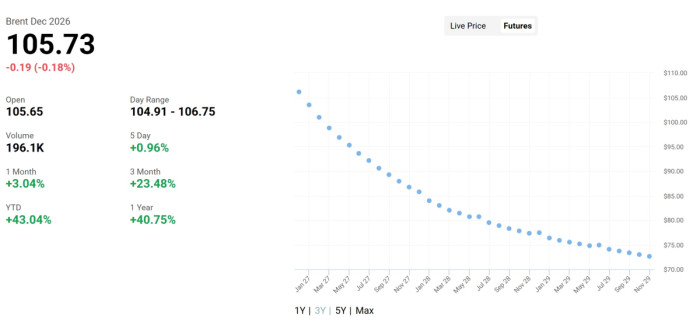

The escalating conflict between the United States, Israel and Iran is reshaping global energy markets in ways that could keep fuel prices elevated well into 2027, posing significant challenges for oil-importing nations including Ghana.
Crude oil futures contracts reveal the depth of market concern. Brent crude for January 2027 is trading at $102.59 per barrel, while December 2027 contracts sit at $84.75 per barrel—substantially higher than the sub-$70 level seen in December 2025. These futures prices suggest traders expect the supply disruptions to persist far longer than initially anticipated.
The Middle East supply squeeze tightens
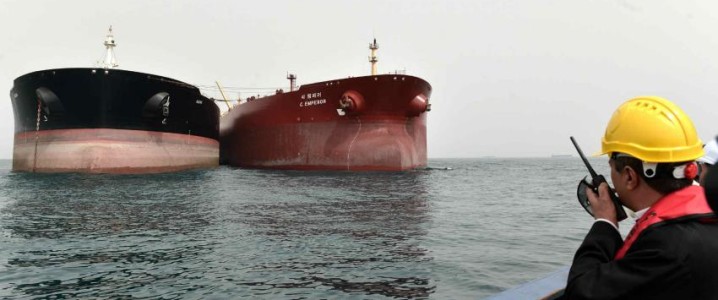
Though some reports indicate oil flows from the Persian Gulf have partially recovered, the situation remains precarious. Iran's near-daily strikes on tankers in the Strait of Hormuz maintain what analysts call a "war premium" on crude. Additionally, the recovery that has occurred depends on costly workarounds like ship-to-ship transfers, which have driven up tanker freight costs and forced Gulf producers to discount their crude to maintain demand.
The refined fuels market is experiencing even greater strain. Many Middle Eastern refineries have been damaged in Iran's retaliatory strikes, creating a widening gap between crude oil supply and usable fuel. The International Energy Agency announced this week it will release more than 20 million barrels of diesel from member inventories, with potential releases reaching 50 million barrels—essentially half of the collective strategic reserve release agreed upon earlier this month.
However, these emergency measures offer only temporary relief. Once inventories deplete, replenishment becomes difficult because global refining capacity is already stretched to its limits. The contrast is stark: while crude output may eventually recover to pre-war levels, fuel production cannot match demand without significant new refinery investment—something unlikely during ongoing conflict.
Why it matters for Ghana
For Ghana, an oil-exporting nation that nonetheless imports refined petroleum products, these dynamics create a complex challenge. Elevated global fuel prices translate directly into higher import costs for diesel and petrol, pressuring government budgets and consumer prices. The Ghanaian energy sector and transport costs remain vulnerable to these international shifts.
Beyond direct fuel costs, sustained energy inflation weakens the broader West African economy. The International Monetary Fund warned this week that although global growth forecasts remain optimistic at 3.4% for next year, "resilience is reaching its limits." Many governments, including those in West Africa, have limited fiscal space to absorb energy shocks through subsidies or relief programmes—options that cannot persist indefinitely during economic stagnation.
Ghana's manufacturing sector, which depends on stable energy costs, faces headwinds. Supply chain pressures and input cost inflation from expensive fuel ripple through local industries, potentially dampening competitiveness and employment.
No quick resolution in sight
The International Energy Agency still expects eventual peace and a rebound in global oil supply to 108.3 million barrels daily from the current 101 million. Yet the agency's own forecasts assume recovery flows that have not yet materialised, suggesting official optimism may be overstating the pace of normalisation.
Central banks globally are growing nervous about prolonged inflation driven by energy costs. Options for government response are limited: temporary pump relief consumes tax revenues, while inaction risks cementing price rises into wages and broader economic expectations.
For now, the world faces an extended period of costlier energy. Low-sulphur gasoil futures for November are trading above $1,404 per ton, with December 2027 contracts at $1,001 per ton. These figures underscore that normalisation in oil and gas markets will not arrive in days or weeks—a reality that will test the resilience of economies, including Ghana's, throughout 2026 and beyond.
Source: The Ghana Report


Comments (0)
Be the first to comment.