Oil prices tumble as Europe considers releasing emergency fuel reserves under US pressure
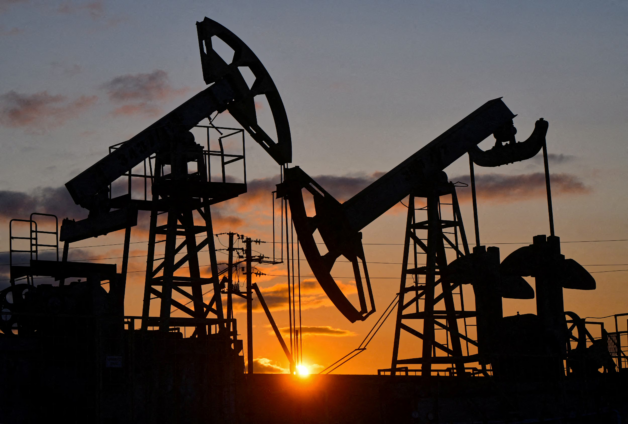
Global oil markets experienced a sharp downturn on Friday as European governments moved closer to releasing emergency fuel reserves in response to mounting pressure from the Trump administration to address a tightening diesel market. West Texas Intermediate (WTI) crude fell 3.78% to $89.36 per barrel, whilst Brent dropped 2.46% to $99.79, signalling growing expectations of increased oil supply hitting the market.
The price decline reflects intensifying diplomatic pressure on Europe's major economies to unlock strategic reserves. The United States has specifically warned Germany and France—which together hold approximately 35% of the European Union's emergency diesel reserves—that they face potential US diesel export restrictions if they do not release fuel from stockpiles.
Europe's strategic reserves and the global fuel crisis
The European Union maintains approximately 39 million tonnes of diesel in strategic reserves, equivalent to more than two months of bloc-wide consumption. This substantial stockpile has become a focal point in efforts to stabilise global fuel prices, which have surged following geopolitical tensions that pushed crude above $100 per barrel in September.
European Energy Commissioner Dan Jørgensen indicated openness to the prospect, telling the Euronews Europe Today programme that emergency reserve releases represent "one of the opportunities that we have" and that Europe has deployed this tool before and "will likely use it again." The European Commission held a coordinated call on Thursday with member states, including the United Kingdom, to evaluate different release scenarios.
The US administration has taken an increasingly assertive stance on the matter. Energy Secretary Chris Wright criticised several European member countries for failing to meet earlier commitments under an International Energy Agency-led stock drawdown initiated in the early stages of regional conflict, stating that "while the United States and Japan are delivering on their commitments, several European member countries have released only a fraction of the crude oil and petroleum products they pledged."
Why it matters for Ghana
Ghana's economy remains heavily sensitive to global oil price movements. As a petroleum-producing nation, lower crude prices directly impact government revenue from oil exports and reduce funds available for public investment and services. However, lower fuel prices also provide relief at the pump for ordinary Ghanaians and reduce operational costs for businesses.
The broader context of this dispute—involving US pressure, European energy security, and global fuel availability—reflects shifting geopolitical dynamics that influence international oil markets where Ghana operates. Any sustained reduction in global oil prices could affect Ghana's fiscal position and foreign exchange earnings in the medium term, making global crude market developments relevant to national economic planning and budgeting.
Additionally, diesel supply constraints and price volatility globally can indirectly affect Ghana's import costs and energy security, particularly given the nation's reliance on petroleum products for transportation, electricity generation, and industrial operations.
International pressure and compliance
The US position reflects broader concerns about market tightness and inflation pressures affecting Western economies. By leveraging threats of export restrictions and appealing to IEA commitments, Washington is attempting to coordinate a multilateral response to fuel supply constraints. The effectiveness of such pressure may determine whether European reserves are mobilised and how significantly they could impact global prices in coming weeks.
Source: The Ghana Report
Comments (0)
Be the first to comment.