State institutions lost millions under gold scheme, Afenyo-Markin tells Gyamfi in heated parliamentary clash

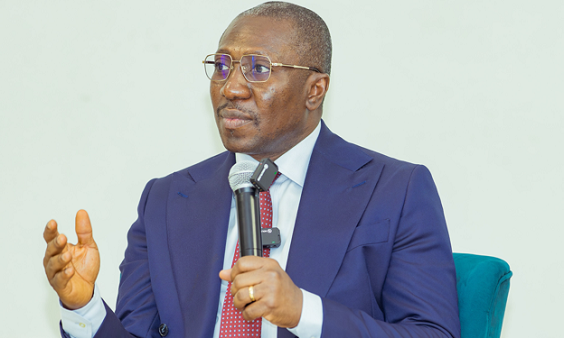
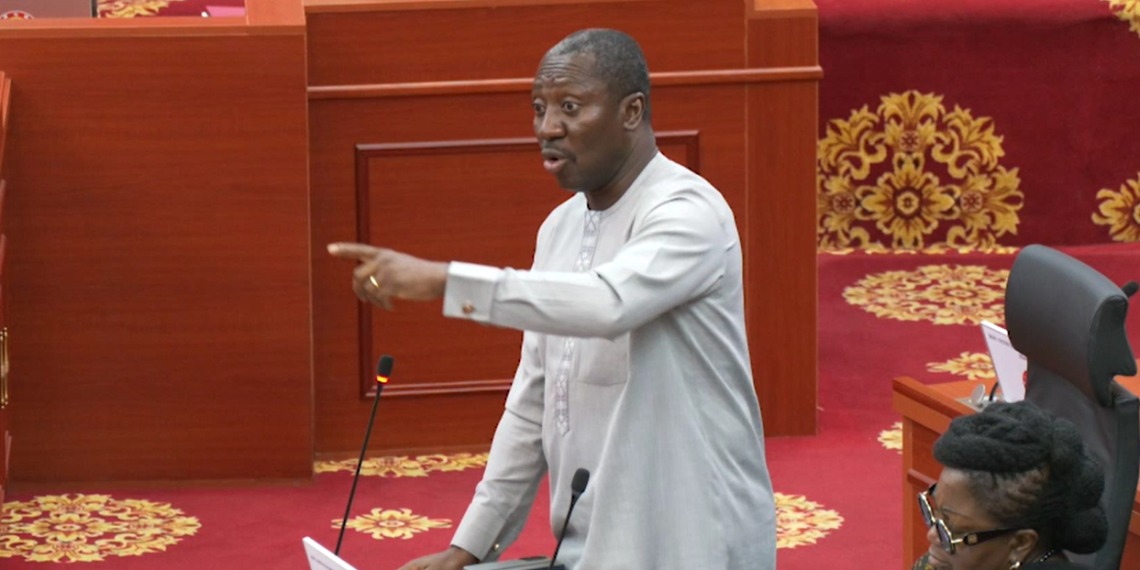
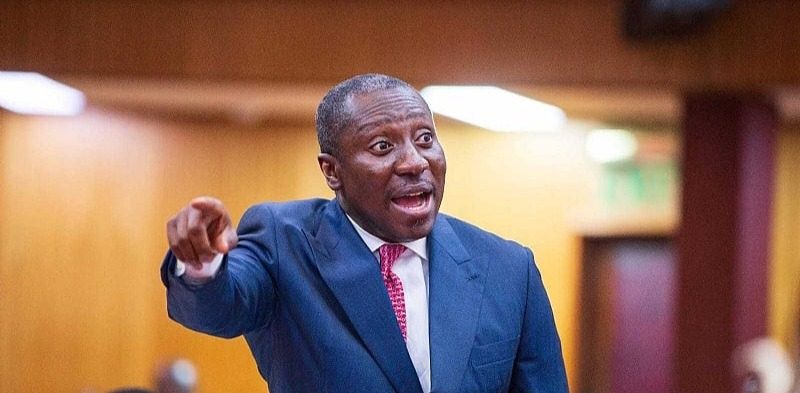
A sharp exchange has erupted between government and opposition figures in parliament over financial losses linked to Ghana's Domestic Gold Purchase Programme, with Deputy Minister Afenyo-Markin accusing the opposition of deflecting from hard evidence of institutional mismanagement.
The confrontation centres on allegations that state institutions have suffered significant financial losses through the gold purchase initiative. Rather than engaging with the specific figures presented, Afenyo-Markin claims that opposition National Democratic Congress (NDC) spokesman Sammy Gyamfi resorted to personal attacks instead of substantive rebuttal.
According to Afenyo-Markin's assertion, Gyamfi's silence on the core facts suggests tacit acknowledgement that money has indeed been lost by state entities under the programme. The deputy minister characterised this as a deliberate avoidance tactic, arguing that Ghanaians deserve concrete answers about how public funds were managed.
The Domestic Gold Purchase Programme controversy
The Domestic Gold Purchase Programme has been a source of significant political tension in Ghana. The initiative was designed to boost the nation's gold reserves and foreign exchange earnings by purchasing locally mined gold from small-scale and artisanal miners at competitive prices.
However, the scheme has faced persistent criticism regarding its financial viability and management. Questions have been raised about whether the programme generated expected returns and whether associated costs were justified given the outcomes achieved. The debate reflects broader concerns about how government-backed economic programmes are monitored and evaluated.
The parliamentary dispute appears to centre on accountability and transparency—core issues that resonate with Ghanaian voters who have expressed frustration with unclear government spending during periods of economic difficulty.
Why it matters for Ghana
This exchange highlights ongoing tensions over fiscal responsibility at a time when Ghana's economy faces considerable pressures. Citizens are understandably concerned about whether public institutions are managed efficiently and whether taxpayer resources are being deployed wisely.
When state institutions lose money through government programmes, the impact reverberates across public services—from healthcare and education to infrastructure and social support systems that Ghanaians depend upon. Every cedis lost to mismanagement or poor programme design is a cedis unavailable for essential services.
The parliamentary debate also reflects deeper questions about political accountability. Government and opposition have different responsibility frameworks: the ruling party must defend its policies and explain outcomes, whilst opposition parties must scrutinise government conduct. When these exchanges devolve into personal attacks rather than factual engagement, Ghanaians lose the opportunity to hear clear answers about how their money was spent.
Transparency over initiatives like the Domestic Gold Purchase Programme matters particularly to mining communities and stakeholders in Ghana's extractive sector, who have direct interest in how mining-related revenue is managed at the national level.
The parliamentary exchanges suggest this controversy will likely intensify as election cycles approach, making it essential that both government and opposition provide detailed, verifiable information about the programme's financial performance and institutional impacts.
Source: 3News

Comments (0)
Be the first to comment.