Afenyo-Markin stands firm on DGPP scrutiny as GoldBod row intensifies
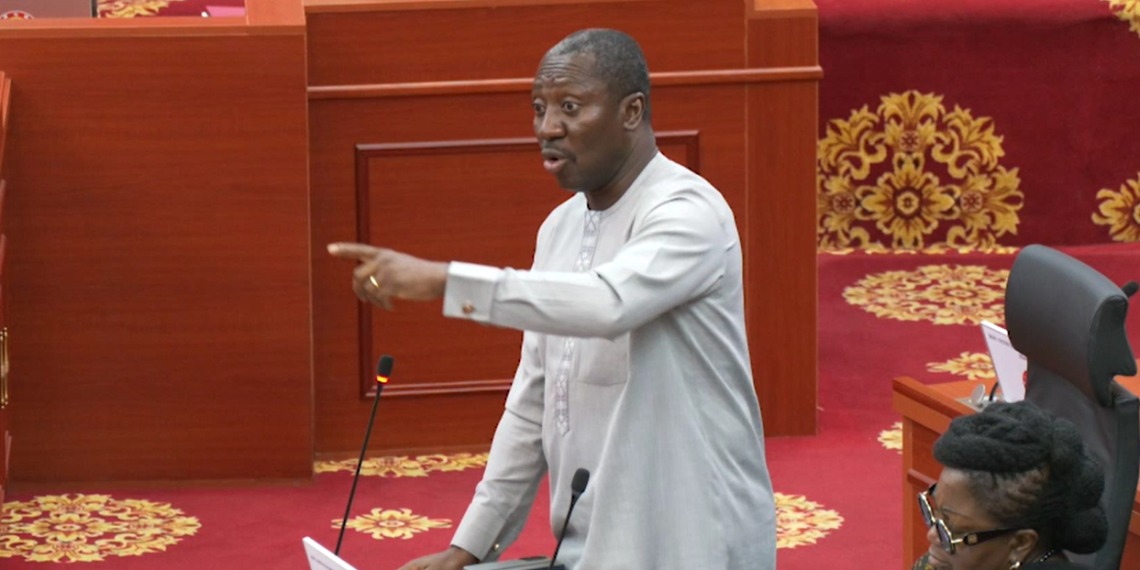
Parliament's Minority Leader Alexander Afenyo-Markin has doubled down on his scrutiny of the Bank of Ghana's Domestic Gold Purchase Programme despite escalating personal attacks from Ghana Gold Board leadership, signalling the controversy will remain a focal point of parliamentary oversight in coming weeks.
The Effutu MP's renewed commitment comes as tensions with GoldBod Chief Executive Officer Sammy Gyamfi have reached a peak, with Gyamfi recently labelling Afenyo-Markin an "extortionist" and challenging him to pursue legal action if he believes the characterisation defamatory. The public row underscores deepening disagreements over the financial health of a programme meant to boost domestic gold trading and reserves.
The core dispute: Programme losses and accountability
At the heart of the conflict lies Afenyo-Markin's assertion that the Domestic Gold Purchase Programme recorded losses of approximately US$1.7 billion in 2025, a figure he cites from an International Monetary Fund report. GoldBod has flatly rejected this claim, with Gyamfi accusing the Minority Leader of attempting to damage the institution's reputation through false allegations.
Afenyo-Markin has framed his questioning as routine parliamentary oversight, arguing in a Facebook statement on 22 August 2026 that such scrutiny is both his constitutional duty and essential to Parliament's ability to hold public institutions accountable. He has characterised the personal attacks from GoldBod as a deflection tactic—an attempt to shift public focus away from substantive concerns about programme performance and onto the questioner himself.
Why it matters for Ghana
The dispute highlights a critical tension in Ghana's governance: how Parliament balances legitimate institutional oversight with pressure from government-aligned bodies that resist scrutiny. The Domestic Gold Purchase Programme is significant to Ghana's economic strategy, as gold remains the nation's largest export and a vital source of foreign exchange. Questions about financial losses in such a substantial programme carry real implications for national economic planning and public resource management.
If losses of the magnitude Afenyo-Markin claims are accurate, it would represent a serious misallocation of public resources at a time when Ghana is managing tight fiscal constraints and ongoing negotiations with international creditors. Conversely, if the figures are inaccurate, the Minority Leader's persistence could itself represent a form of political pressure ungrounded in fact. Either scenario demands clarity and resolution through transparent investigation.
The incident also reflects broader patterns in Ghana's post-2024 political landscape, where the return of the National Democratic Congress to opposition has seen the Minority intensify scrutiny of government institutions. Such oversight is a legitimate function of Parliament, but its credibility depends on factual accuracy and the distinction between principled accountability and partisan point-scoring.
Next steps unclear as stalemate deepens
Afenyo-Markin's stated resolve to remain "focused" suggests he will not withdraw his questions in response to personal attacks. However, the path to resolution remains uncertain. Neither Afenyo-Markin nor Gyamfi has indicated a willingness to submit the disputed figures to independent verification, and no parliamentary committee appears to have launched a formal investigation. For public confidence in both Parliament and the gold programme itself, stakeholders will be watching closely to see whether this dispute escalates further or moves toward fact-based resolution.
Source: The Ghana Report


Comments (0)
Be the first to comment.