Afenyo-Markin stands firm on gold programme scrutiny amid personal attacks

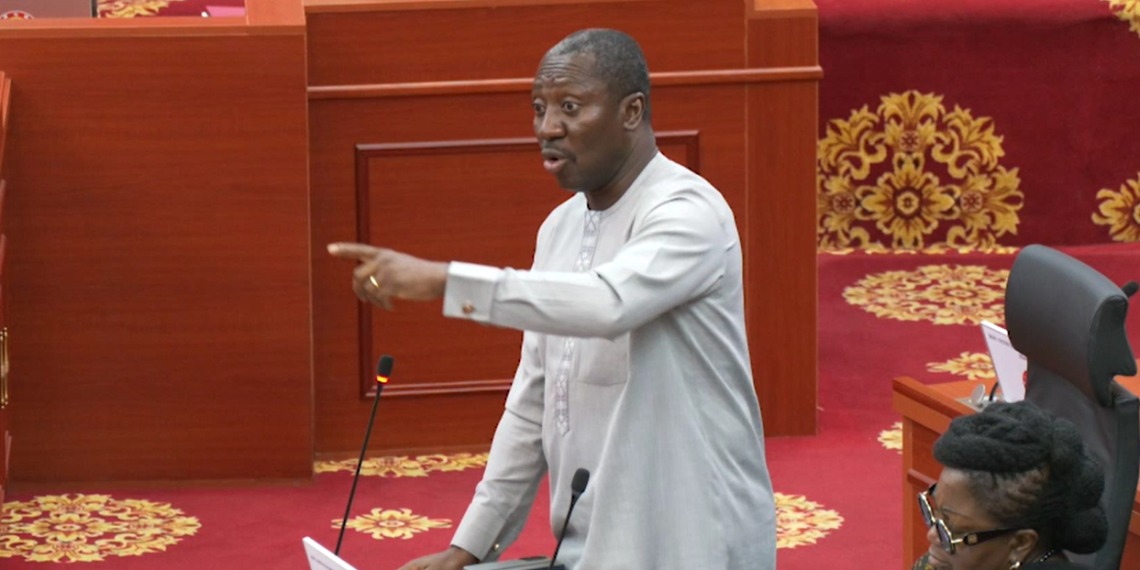
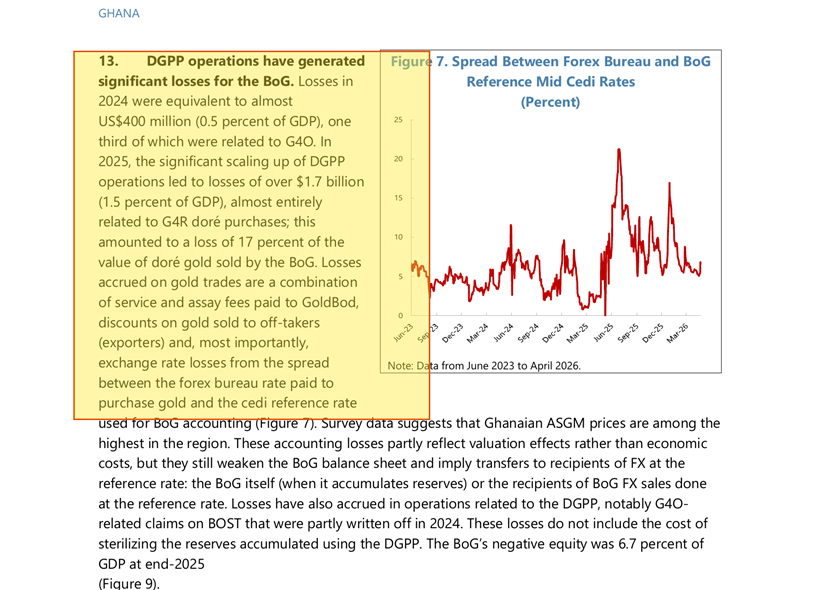
Alexander Afenyo-Markin, Minority Leader in Parliament and Member of Parliament for Effutu, has firmly rejected what he describes as false and defamatory allegations challenging his motives for questioning the Bank of Ghana's Domestic Gold Purchase Programme (DGPP). The controversy centres on a reported US$1.7 billion loss, which has drawn scrutiny from international bodies including the International Monetary Fund.
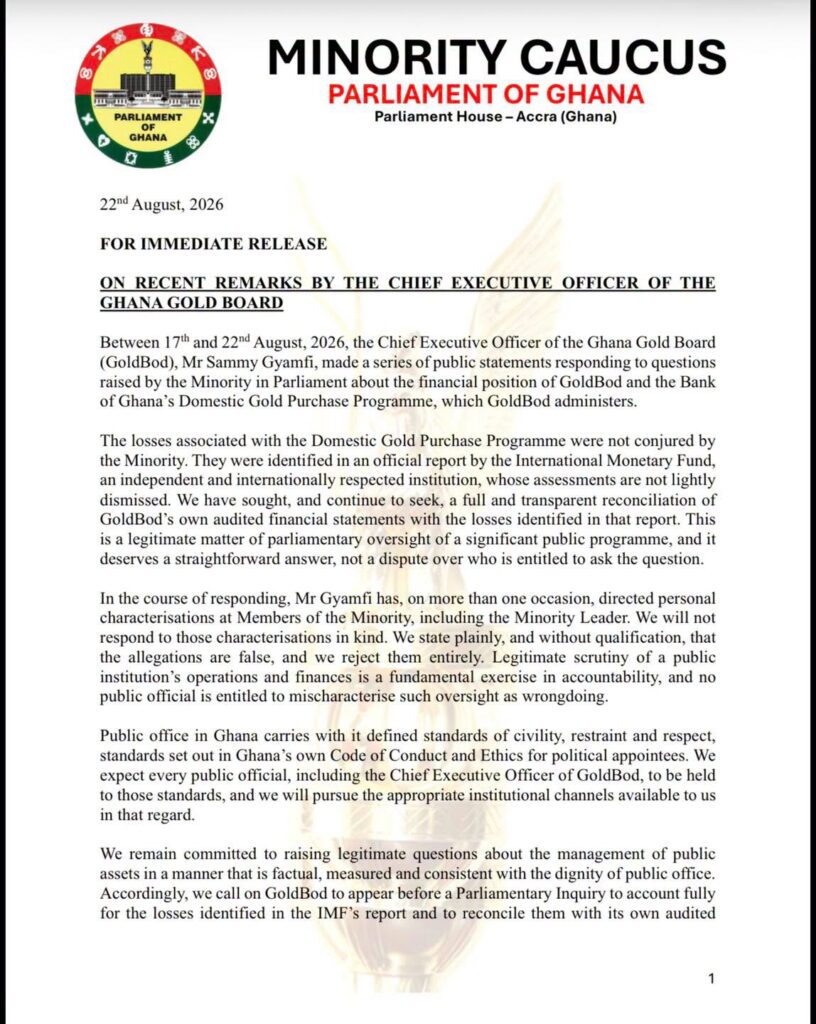
In a statement on Saturday, Afenyo-Markin disclosed that he has endured sustained personal attacks and insults following his decision to demand accountability for the programme's financial implications. He emphasised that these attacks appear designed to divert public attention from the substantive questions he has raised about how the losses occurred and the role of the Ghana Gold Board (GoldBod) in the transactions.
"These allegations are entirely false, and I reject them without qualification," Afenyo-Markin stated, clarifying that his intervention stems from Parliament's constitutional responsibility to scrutinise public institutions and demand explanations regarding the management of public resources.
Parliamentary oversight versus pushback
The Minority Leader's comments reflect a broader tension in Ghana's parliamentary system where those subjected to scrutiny often resist questioning through various means. Afenyo-Markin acknowledged this dynamic, noting that public officials and institutions facing legitimate oversight sometimes resort to false allegations and personal attacks to shift focus from substantive issues.
"I recognise that, in public life, those who are uncomfortable with legitimate scrutiny may push back," he noted. "In some cases, they may resort to false allegations, personal attacks and ridicule in an effort to shift attention from the substantive issues."
The dispute has specifically involved Sammy Gyamfi, Chief Executive Officer of GoldBod, with disagreement centring on how the reported loss should be interpreted and the extent of GoldBod's responsibility in the transactions. The exchange underscores the complexity of attributing financial losses across multiple institutions involved in Ghana's gold purchasing arrangements.
Why it matters for Ghana
The DGPP controversy raises critical questions about Ghana's gold purchasing strategy and the financial risks associated with government commodity operations. A reported loss of US$1.7 billion represents a significant sum in the context of Ghana's public finances, particularly given ongoing fiscal pressures and IMF engagement.
The dispute also highlights the importance of Parliament's oversight function in holding public institutions accountable. For Ghanaians, understanding how such losses occurred—and whether adequate safeguards exist—is essential to ensuring transparent management of state resources. The involvement of multiple institutions, including the Bank of Ghana and GoldBod, necessitates clear communication about respective roles and responsibilities.
Furthermore, the personal nature of attacks on Afenyo-Markin reflects a troubling trend where legitimate parliamentary scrutiny is conflated with personal vendetta. This dynamic can undermine public discourse and distract from substantive policy discussions that affect the country's economic management.
Afenyo-Markin has called for closer examination to establish the full circumstances of the loss, the institutions involved, financial implications for the state, and whether safeguards were adequate. His insistence on keeping focus on these substantive questions reflects the broader responsibility of Parliament to serve as a check on executive action and institutional management.
Source: MyJoyOnline
Comments (0)
Be the first to comment.