
Majority defends closed-door BoG briefing as Minority clash escalates in Parliament
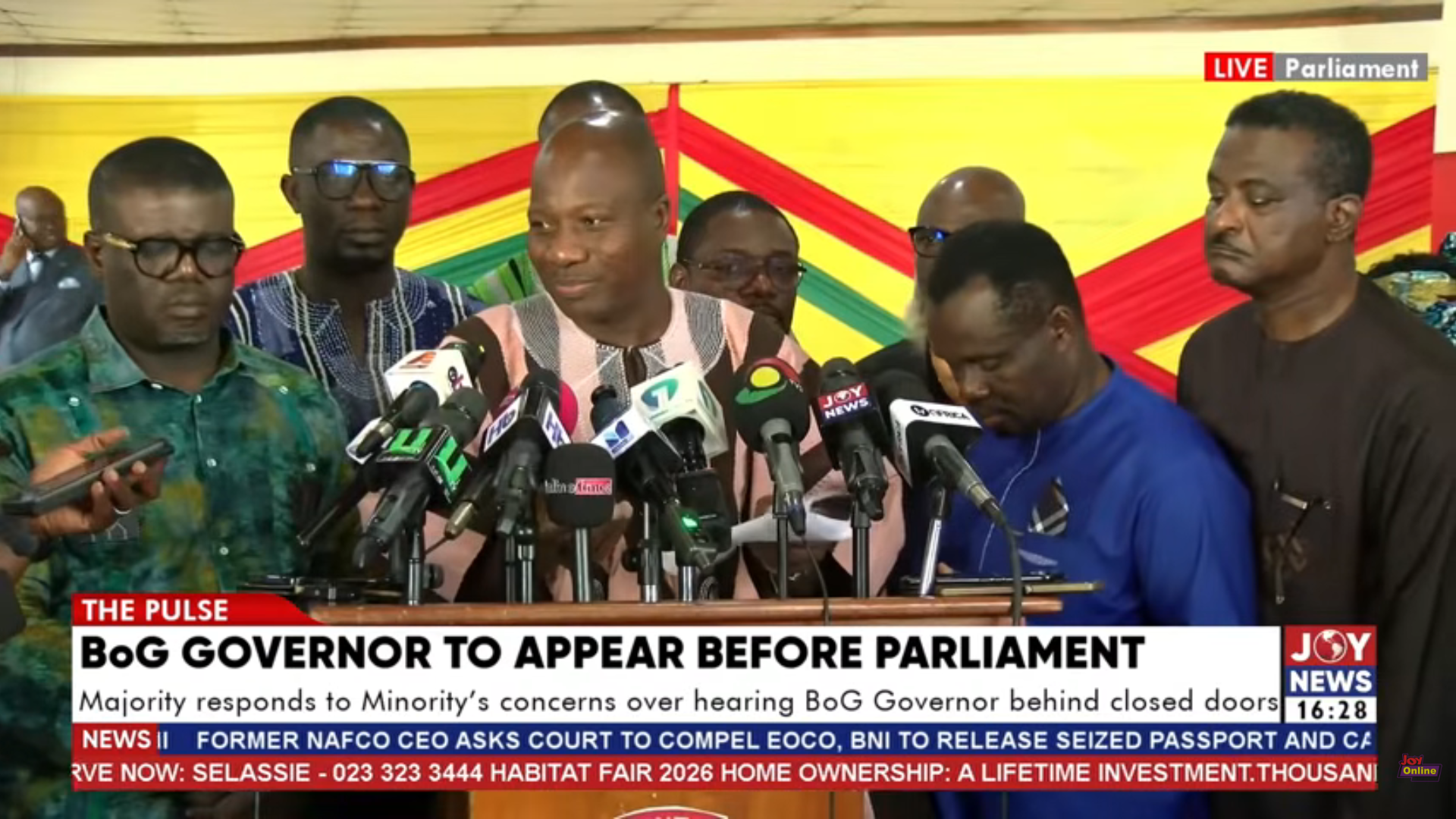
Tensions in Ghana's Parliament have intensified over a fundamental disagreement about transparency and parliamentary oversight, with the Majority Leader defending closed-door committee sessions involving the Governor of the Bank of Ghana whilst the Minority accuses government of suppressing constitutional checks.
The row erupted after Minority MPs staged a walkout on Wednesday, 15 July, protesting what they characterise as procedural abuse aimed at blocking their oversight role. The immediate trigger was a ruling by First Deputy Speaker Bernard Ahiafor that a supplementary question from Minority Leader Alexander Afenyo-Markin on government SIM card re-registration procurement was out of order. However, a deeper dispute has emerged around whether BoG appearances should always be public hearings.
The core disagreement: transparency versus convention
Speaking to journalists, Majority Leader Mahama Ayariga argued that Parliament's revised Standing Orders permit the House to invite the Governor to appear before a Committee of the Whole rather than in full plenary session, and that closed-door proceedings align with established practice for independent constitutional office holders.
Mr Ayariga cited Standing Order 266, which provides that committee proceedings are open to the public unless the committee decides otherwise. He contended that the Minority must persuade the committee to sit publicly rather than demand automatic media access. The Majority proposed following Parliament's long-standing convention of hearing independent constitutional bodies without media coverage, he explained.
However, the Minority objected, pointing to a precedent when journalists were permitted to cover the Governor's previous appearance to answer questions about the cost of the new Bank of Ghana headquarters building. According to Mr Ayariga, they argued this should set the standard for all future briefings—a position he rejected as inconsistent with parliamentary rules.
Why it matters for Ghana
This parliamentary standoff touches on fundamental issues of democratic accountability and public trust in financial governance. The Bank of Ghana's policy decisions directly affect Ghana's monetary policy, inflation, exchange rate stability and broader economic management—matters that affect every Ghanaian household.
When Parliament's committees scrutinise the central bank governor, that oversight function is a crucial check on executive power. The question of whether such proceedings occur in public or private therefore carries real weight. Public hearings allow citizens, media and civil society to monitor how effectively Parliament questions the BoG chief on inflation, currency depreciation, fiscal sustainability and other critical economic issues.
The Minority's complaint reflects broader concerns about parliamentary transparency and the ruling Majority's use of procedural rules. If committee sessions are routinely closed, Ghanaians lose visibility into how Parliament exercises financial oversight. Conversely, the Majority argues that some technical discussions may require confidentiality and that established conventions have served Parliament well.
The walkout also signals deeper partisan tensions heading into Ghana's 2024 elections, with both sides accusing the other of bad faith—the Minority claiming procedural obstruction, and the Majority suggesting the Minority prioritises publicity over substance.
What happens next
Mr Ayariga challenged the Minority to remain engaged if their genuine interest is scrutinising Ghana's financial management, rather than walking away over access rules. He argued that questions put directly to the Governor yield answers on how the country's finances are managed, irrespective of media presence.
The Standing Orders appear to give committees formal authority to decide on public versus private proceedings. Whether this dispute will trigger broader parliamentary reform or a compromise on media access to BoG appearances remains unclear. However, the row underscores ongoing tensions between parliamentary transparency and operational discretion—a debate likely to intensify as Ghana faces continued economic challenges requiring scrutiny of central bank decisions.
Source: MyJoyOnline

Comments (0)
Be the first to comment.