ICEG demands transparency as Ghana prepares mid-year budget review

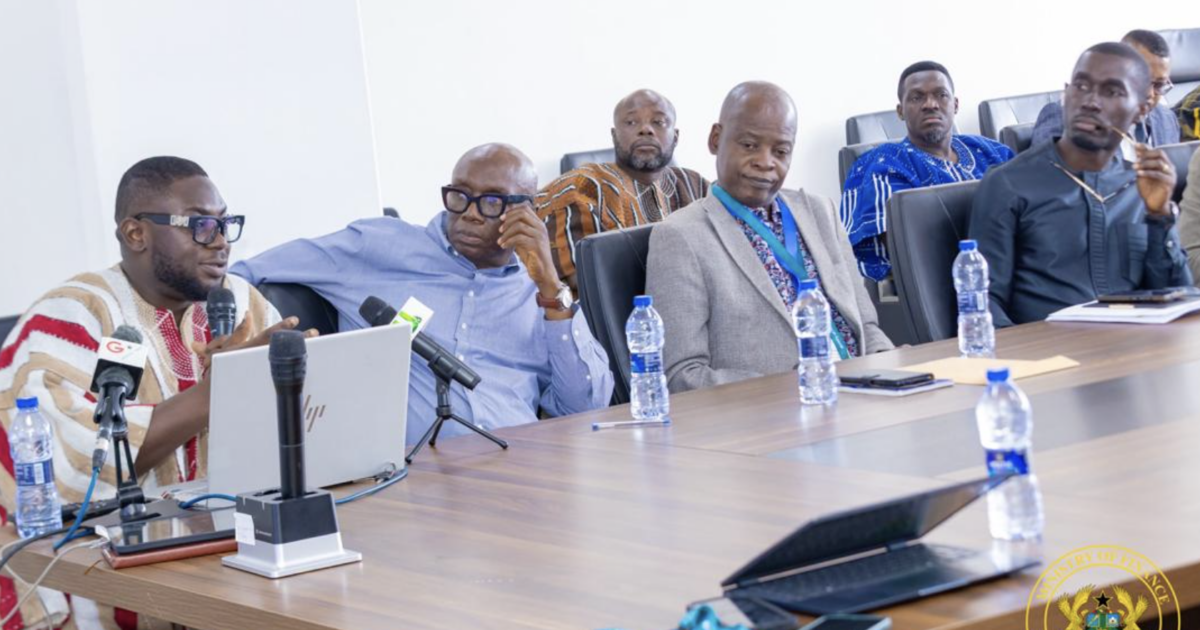
Ghana's Institute for Civic Engagement (ICEG) has intensified calls for greater transparency in how the government spends revenue from oil and mineral extraction, demanding detailed disclosure ahead of the mid-year budget review. The organisation's Chief Executive Officer, Michael Amissah, made the appeal during an induction ceremony for new members in Accra, signalling growing concern over accountability in natural resource management.
The push for transparency comes at a critical juncture in Ghana's fiscal calendar. The mid-year budget review is a key moment when government assesses whether spending aligns with initial projections and makes necessary adjustments. For a resource-dependent economy like Ghana's, clarity on how oil and mineral revenues flow into state coffers and where those funds are allocated is essential for public trust and effective governance.
What ICEG is demanding
Amissah outlined three specific requirements for the Finance Ministry: clear policy direction on resource revenue management, detailed figures showing actual oil and mineral income, and a transparent implementation framework explaining how funds are deployed. These demands reflect longstanding concerns within Ghana's civil society about the visibility and accountability of extractive industry revenues.
Ghana generates substantial income from crude oil production and gold mining, yet citizens often lack clear information about how these revenues contribute to national development. Without detailed public reporting, it becomes difficult for parliament, civil society and ordinary Ghanaians to assess whether natural resource wealth is being used effectively for infrastructure, education, healthcare or deficit reduction.
Why this matters for Ghana
Natural resource transparency is not merely a technical issue—it strikes at the heart of Ghana's development challenges and democratic accountability. Several factors make ICEG's call particularly timely:
- Fiscal sustainability: With Ghana managing external debt obligations and IMF programme requirements, every source of revenue matters. Clear accounting of oil and mineral income helps ensure funds are deployed strategically rather than wasted or diverted.
- Public trust: Ghana's resource sector has faced persistent accusations of mismanagement and corruption. Transparency is a foundational step toward restoring confidence that national assets are being stewarded in the public interest.
- Development priorities: Extractive revenues should fund transformative investments—roads, ports, power, education. Without visibility, there is no way to verify whether resource wealth is translating into tangible improvements in Ghanaians' lives.
- Parliamentary oversight: MPs need detailed revenue and spending data to perform their constitutional duty of scrutinising government finances. Opacity undermines the legislative check on executive power.
The mid-year budget review is the appropriate forum for this information to be presented. It occurs when parliament examines government performance halfway through the financial year and before final accounts are settled, offering a window for course correction if spending is off track.
The broader context
Civil society organisations like ICEG have long advocated for Ghana to strengthen compliance with international transparency standards, including the Extractive Industries Transparency Initiative (EITI). Ghana's membership of EITI commits the country to publishing detailed data on oil and mineral revenues and government receipts, though implementation and public awareness of these reports remain inconsistent.
ICEG's intervention reflects growing recognition that governance and accountability are not separate from economic policy—they are central to it. Investors, development partners and citizens increasingly expect resource-rich countries to demonstrate that wealth serves national development, not narrow interests.
The Finance Ministry has not yet responded publicly to these demands, but the call will likely feature prominently in parliamentary and civil society discussions during the mid-year review process.
Source: 3News



Comments (0)
Be the first to comment.