
President Mahama launches public health push: Ghanaians urged to cut sugar, ditch late-night heavy meals
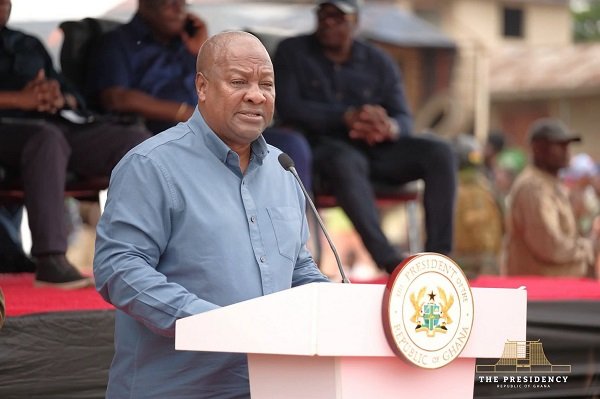

President John Dramani Mahama has launched a public health campaign encouraging Ghanaians to fundamentally change their eating habits, particularly around sugar consumption and the timing of meals. Speaking during his Resetting Ghana tour in the Volta region, the President linked dietary choices directly to rising disease burdens affecting the nation.
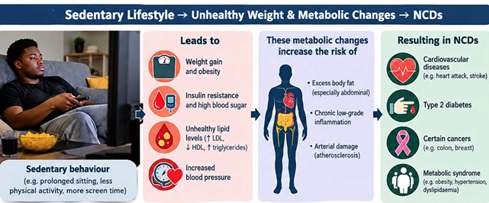
The health advisory comes as Ghana faces increasing rates of non-communicable diseases, with diabetes and cancer among the leading health concerns. Mahama's intervention signals government attention to prevention-focused messaging rather than solely treatment-based health interventions.
The sugar danger
Mahama drew particular attention to sugar intake, warning that those who identify as having a "sweet tooth" are putting themselves at risk. He framed the issue bluntly: excessive sugar consumption is a direct pathway to diabetes and other serious illnesses.
The President linked his warnings to a visit to the Sweden Ghana Cancer Centre, where he learned that cancer cells have a metabolic preference for sugar. Medical staff explained that sugar is intentionally used in tissue preservation solutions during biopsies precisely because cancer cells thrive in sugar-rich environments. This observation became the centrepiece of his anti-sugar messaging, positioning sugar not merely as a dietary inconvenience but as a potential disease accelerant.
Beyond diabetes and cancer, Mahama advised moderation in carbohydrate consumption as well, explaining that unused carbohydrates are converted to body fat—a mechanism many Ghanaians may not fully understand when making daily meal choices.
Timing matters: the late-night eating problem
The President also targeted a deeply ingrained Ghanaian eating pattern: consuming heavy, starchy meals late into the evening. He specifically named popular local dishes—banku, akple, and fufu—as meals that should be eaten during daylight hours rather than after work.
Mahama painted a vivid picture of the problem: workers arriving home late requesting large bowls of akple with fetri detsi or banku, unknowingly damaging their health. He advocated for an eating cutoff around 7 p.m., after which only light meals should be consumed.
Beyond timing, the President emphasised the importance of post-meal activity. Rather than eating and immediately retiring to bed, Ghanaians should remain active for a period after dining to aid digestion and metabolic function—practical advice grounded in basic nutritional science.
Why it matters for Ghana
Ghana's health system is increasingly strained by lifestyle-related diseases that are largely preventable. Non-communicable diseases now account for a significant proportion of healthcare costs and mortality, shifting resources away from infectious disease control and maternal health programmes.
Presidential messaging on preventive health carries weight in Ghana's public discourse. When a sitting president speaks directly to citizens about dietary choices during a national tour, it legitimises health concerns and encourages community-level conversations. This approach may prove more effective than abstract health ministry campaigns, particularly in regions outside the capital.
However, the effectiveness of such advice depends on food availability and affordability. Late-night heavy meals are often the norm for workers with irregular schedules, and lighter evening alternatives may be costlier or less accessible in some communities. True dietary change requires not just awareness but also systemic support—affordable healthy options, food labelling standards, and workplace flexibility to enable daytime eating patterns.
Mahama's health advisory represents a shift toward personal responsibility messaging in Ghana's public health discourse, though addressing the structural barriers to healthy eating will require complementary policy action.
Source: The Ghanaian Times


Comments (0)
Be the first to comment.