Ghana making sanitation progress but challenges remain, says Parliamentary Committee
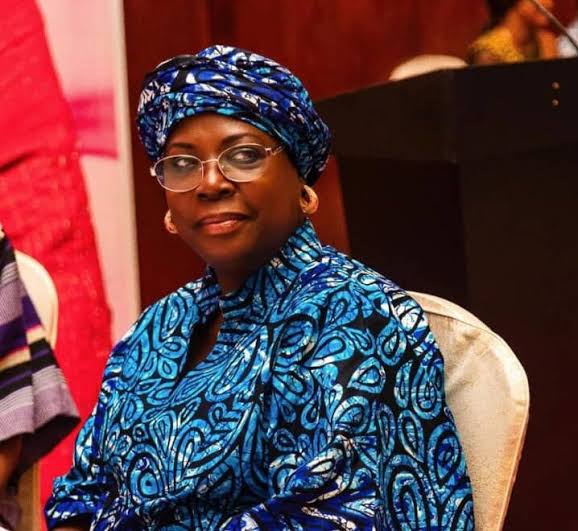
Ghana's sanitation situation has improved noticeably over the past 18 months, according to Zuwera Mohammed Ibrahimah, the Member of Parliament for Salaga South and a member of Parliament's Select Committee on Sanitation and Water Resources. Speaking to media, she highlighted that ongoing field monitoring across communities has revealed concrete progress, challenging claims that little has been done to enhance sanitation and water services under the current administration.
Ms Ibrahimah's comments come as the Parliamentary Select Committee continues a nationwide monitoring exercise to assess how sanitation and water projects funded with public resources are being implemented. During these engagements with Metropolitan, Municipal and District Assemblies, the Committee has observed communities actively implementing sanitation interventions. The MP noted specific improvements in areas like Nkwanta South, where she travels regularly to her constituency, demonstrating visible changes in local sanitation conditions.
Household behaviour is the foundation
Whilst acknowledging progress, Ms Ibrahimah emphasised that improving sanitation extends far beyond government investment alone. She stressed that behavioural change at household and community levels is essential for lasting improvement. According to the MP, sanitation improvements begin at the local assembly and household level before becoming a national issue. Without effective waste management at this grassroots level, challenges escalate and become broader concerns.
One positive development identified by the Committee is increased attention from some communities to household waste management practices. This shift in community responsibility represents a significant step towards sustainable sanitation improvements, the MP indicated.
Why it matters for Ghana
Sanitation and water access remain critical development challenges across Ghana, affecting public health, environmental quality and economic productivity. The parliamentary oversight being conducted through these monitoring exercises is vital for tracking whether government investments translate into real improvements for citizens. Ghana has made commitments under international development goals to improve sanitation access, and parliamentary scrutiny helps ensure accountability and effectiveness.
Ms Ibrahimah's acknowledgement that improvements do not signify the end of sanitation challenges is realistic and important. She recognised that whilst progress has been made in 18 months, there remains significant room for further development. The work is far from complete, and sustained investment coupled with community participation will be necessary to address Ghana's sanitation deficit fully.
The Committee's field engagements have revealed a fundamental truth: improving sanitation is not solely a government responsibility. Success requires partnership between government agencies, local assemblies, communities and households. The progress observed in Volta and Oti regions suggests that when these stakeholders work together, meaningful improvements are achievable. Moving forward, maintaining this collaborative approach whilst scaling successful interventions across all regions will be crucial for Ghana's sanitation sector.
Source: MyJoyOnline
Comments (0)
Be the first to comment.