Ghana's 10% sanitation fund falls short, Parliament warns – MMDAs urged to deliver results
Ghana's Parliament has raised serious concerns about the adequacy of current sanitation financing, warning that the 10 per cent allocation from the District Assemblies Common Fund (DACF) is insufficient to tackle the country's mounting sanitation challenges, despite delivering tangible results in some communities.
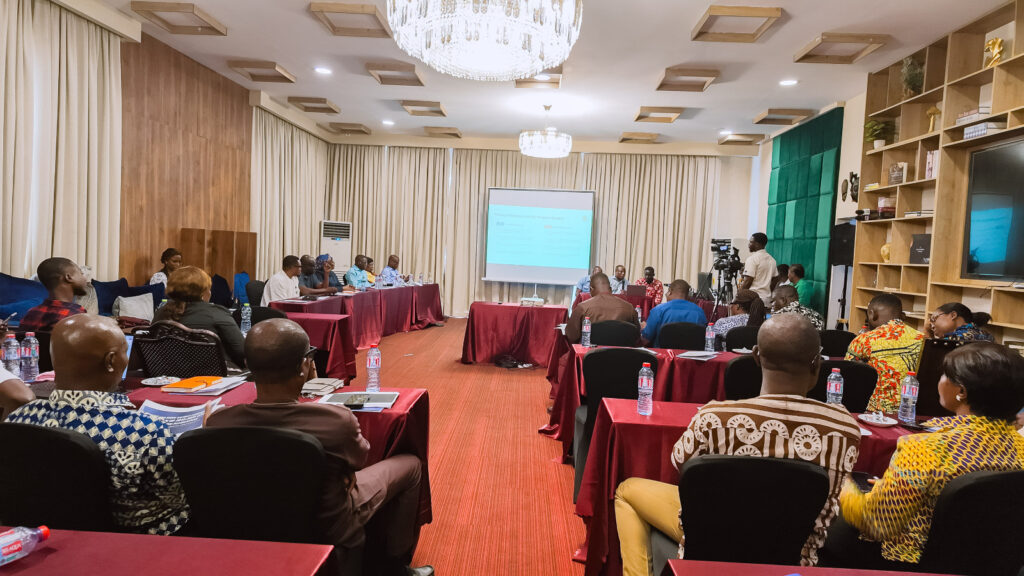
The Parliamentary Select Committee on Sanitation and Water Resources completed accountability reviews of 27 district and metropolitan assemblies across the Volta and Oti regions in mid-September, examining how statutory allocations are being utilised and what barriers exist to effective implementation. The exercise revealed a mixed picture: whilst most assemblies have invested funds in institutional toilets, boreholes, drainage infrastructure and desilting projects, the Committee identified concerning gaps in fund management and called for stronger financial discipline.
Evidence of progress, but concerns remain
Committee member Ibrahimah Mohammed Zuwera praised eight of the nine Oti Region districts for stellar performance and commitment to addressing local sanitation needs. The Krachi East Municipal Assembly, for instance, has used allocations to undertake desilting, drain construction and facility maintenance—work that has become increasingly urgent as population pressures mount from displaced persons in neighbouring communities facing conflict and instability.
Similarly, the Kadjebi District has adopted a collaborative model engaging market women and transport operators in cost-sharing for facility cleaning, demonstrating innovative approaches to sustainability. However, the Committee flagged concerns about Nkwanta North District Assembly's presentation and has summoned the assembly for further scrutiny in Accra, signalling that financial accountability remains a priority.
A critical message emerged during the engagements: assemblies must stop attributing implementation delays to fund shortfalls when allocations have already been transferred. The Committee confirmed that both quarterly 2026 DACF releases had been paid to assemblies, placing responsibility squarely on local authorities to manage resources effectively.
Why it matters for Ghana
Sanitation and water access remain fundamental development challenges across Ghana, particularly in rural and underserved areas. The DACF's 10 per cent sanitation allocation represents a structured mechanism to address these issues at the local level, yet Parliament's assessment suggests the current funding envelope is not matching the scale of need.
Three factors make this finding significant for Ghanaians. First, inadequate sanitation infrastructure directly impacts public health, particularly for children and vulnerable populations. Second, the findings highlight governance challenges: if assemblies are receiving funds but delivering inconsistent results, systemic issues around planning, procurement and oversight must be addressed. Third, the Committee's insistence on results-based accountability—not merely checking that money was spent—signals a shift towards demanding real improvement in communities rather than accepting bureaucratic compliance.
The pressure on facilities noted in Krachi East, driven by internally displaced persons from regional instability, illustrates how sanitation demands can spike unexpectedly. This suggests that Ghana's sanitation financing model may need flexibility to respond to demographic shocks, not just annual budgets.
Path forward: dedicated mechanism needed
The Committee's call for a dedicated and sustainable sanitation financing mechanism reflects growing consensus among policymakers that ad-hoc allocations are insufficient. Assemblies themselves have outlined critical gaps: access to potable water remains elusive even in water-rich areas like Krachi East, suggesting that infrastructure investment alone cannot succeed without complementary systems like mini-water schemes.
Moving forward, the Committee is expected to recommend enhanced funding and stricter oversight mechanisms. The message to MMDAs is unambiguous: public funds are not discretionary resources, and communities must see tangible benefits from allocations. For Ghanaians, particularly in underserved regions, this parliamentary scrutiny offers hope that sanitation improvements will accelerate—but only if assemblies translate approval into execution.
Source: MyJoyOnline
Comments (0)
Be the first to comment.