Parliament backs National Sanitation Authority Bill to tackle Ghana's waste management crisis
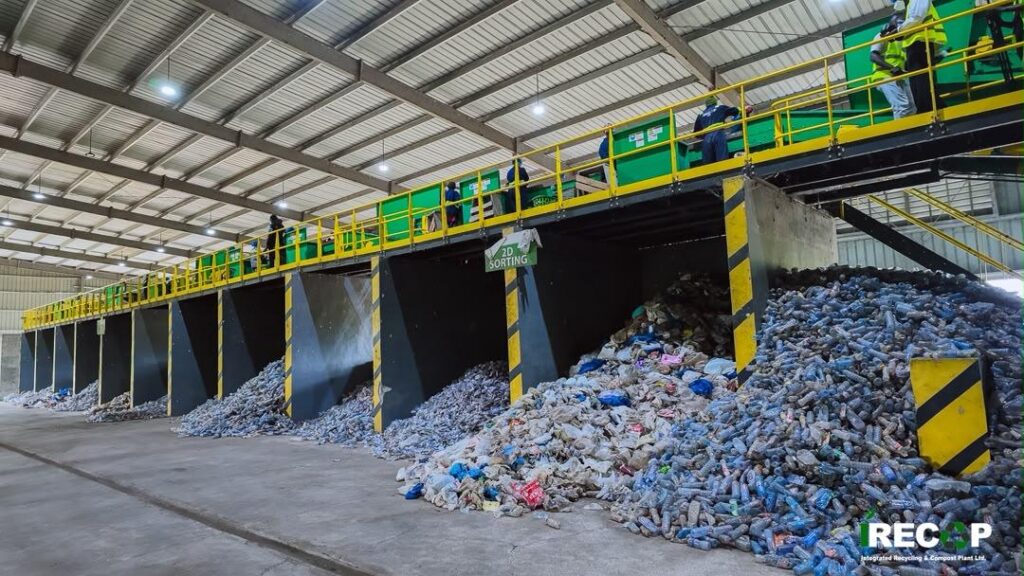
Ghana's Parliamentary Select Committee on Water and Sanitation has thrown its weight behind a proposed National Sanitation Authority Bill, arguing that a dedicated body is essential to improve the country's struggling waste management systems. The Committee believes centralised authority could provide the oversight and coordination needed to transform how Ghana handles sanitation and solid waste across its regions.
The endorsement came during a visit to the Ho Integrated Recycling and Compost Plant (IRECOP) in the Volta Region on Friday, 18 September 2026, as part of a broader monitoring tour. Led by Committee Chairman John Oti Bless, the Nkwanta North MP, the delegation inspected the facility's waste collection, processing and composting operations whilst gathering feedback from stakeholders on sector-wide challenges.
Volta Region sets the standard
The Committee commended the Volta Region for emerging as the cleanest of the eight regions visited so far during its ongoing oversight inspections. Mr Oti Bless highlighted this achievement to the media, signalling that whilst significant sanitation challenges persist across Ghana, some areas are demonstrating what effective waste management can look like.
However, he called for intensified public education campaigns and greater advocacy on sanitation practices, stressing that addressing the country's waste crisis requires buy-in from communities, media and all stakeholders. The Committee's tour is designed to assess existing infrastructure, identify gaps and gather evidence to inform parliamentary action on sanitation policy.
Infrastructure and markets remain critical barriers
During the IRECOP inspection, the Jospong Group of Companies raised urgent concerns about infrastructure constraints undermining the facility's effectiveness. Betty Brown Nyadu, Group Head of Government Relations at the Environment and Sanitation Processing Cluster, flagged several impediments to operations.
Poor road conditions leading to the plant discourage waste operators from transporting material there, she warned, potentially driving informal dumping in forests and farmland instead. The Group appealed to government to rehabilitate access roads and establish transfer stations at strategic points closer to communities, allowing waste to be consolidated before transport to central facilities.
Ms Nyadu also highlighted a market failure: about 60% of waste arriving at IRECOP is organic and convertible into compost or organic fertiliser, yet there is limited demand. She urged government to implement procurement policies that incentivise use of locally produced materials from waste processing, creating reliable markets for recovered products.
Why this matters for Ghana
The National Sanitation Authority Bill represents a significant policy shift in how Ghana approaches waste management. Currently, responsibility is fragmented across multiple agencies—municipalities, private operators and national bodies—leading to inefficiencies, poor coordination and inconsistent service delivery. A dedicated authority could create accountability, set standards and ensure systematic improvement across all regions.
The Committee's findings underscore persistent challenges: infrastructure deficits limit facility access, public awareness gaps encourage illegal dumping, and absence of market incentives prevents waste recovery from becoming economically viable. Without addressing these, Ghana risks continued environmental degradation and public health risks from accumulated waste in communities.
Mr Oti Bless committed to feeding Committee findings—particularly recommendations on road improvements and transfer stations—into a parliamentary report and pledged engagement with the Ministry of Roads and Highways and other relevant authorities. The monitoring exercise continues in the Oti Region, suggesting Parliament is building a comprehensive evidence base for broader sanitation reforms.
Source: MyJoyOnline



Comments (0)
Be the first to comment.