
Ghana's waste crisis deepens: Why missing bins are choking our communities

Ghana faces a mounting environmental and public health crisis as poor waste management continues to degrade communities across the country. From coastal villages to urban neighbourhoods, the absence of adequate waste bins has created a vicious cycle where residents resort to dumping rubbish along roadsides, in gutters and open spaces, transforming streets into dumping grounds and threatening both sanitation and quality of life.
The problem is starkly visible in places like Akosua Village, a coastal settlement in the Effutu Municipality of the Central Region, where residents have grown increasingly vocal about the inadequacy of waste disposal facilities. When waste collection is delayed or bins are non-existent, rubbish accumulates rapidly, creating unsightly and hazardous conditions. Local resident Kofi Mensah articulated what many communities desperately need: more waste containers and reliable, regular collection services to prevent the buildup that has become commonplace.
The scale of Ghana's waste challenge
The numbers reveal how severe the situation has become. Ghana generates nearly 8 million tonnes of solid waste annually, yet many households across the country still lack access to reliable waste-collection services. This mismatch between waste generation and collection infrastructure has created a crisis that extends far beyond mere aesthetics.
When rubbish accumulates in gutters and drains, the consequences ripple through communities. Blocked waterways prevent rainwater from flowing properly, significantly increasing the risk of flooding during heavy downpours—a seasonal problem that leaves homes and businesses damaged and displaces families. Beyond flooding, decomposing waste produces foul odours that pervade neighbourhoods and attracts disease-carrying pests like flies, mosquitoes and rodents, elevating public health risks and potentially triggering outbreaks of waterborne and vector-borne illnesses.
Why it matters for Ghana
Ghana's waste crisis is not simply an environmental inconvenience; it threatens public health, economic development and quality of life. Coastal communities like Akosua Village face compounded challenges, as waste flowing into marine environments damages ecosystems and threatens livelihoods dependent on fishing and tourism. Urban areas struggle with congestion and congestion-related health hazards, whilst rural communities often lack even basic waste infrastructure.
The Ministry of Sanitation and Water Resources and local Metropolitan and Municipal Assemblies have been tasked with addressing this crisis, but resource constraints and coordination challenges have hampered progress. Without urgent intervention, Ghana risks deepening public health emergencies whilst also undermining its environmental commitments.
Solutions require shared responsibility
Fixing Ghana's waste problem demands action at multiple levels. Simply installing more bins, whilst necessary, is insufficient without accompanying measures: regular, reliable waste collection schedules that communities can depend on, and sustained public education campaigns that shift attitudes towards proper waste disposal.
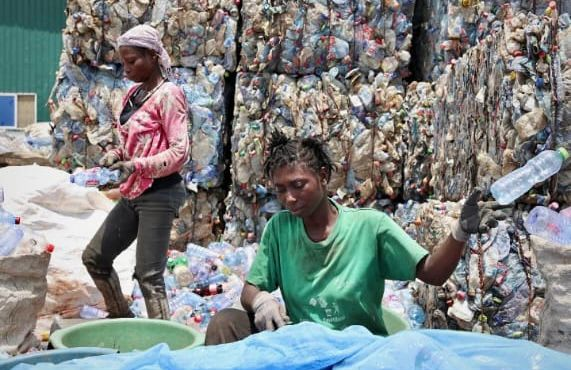
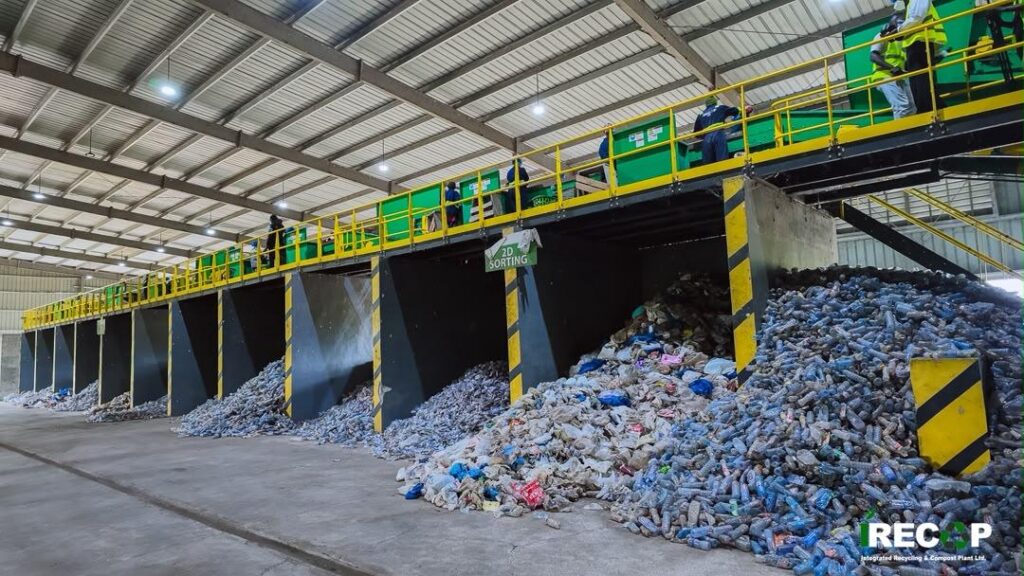
Recycling presents an underutilised opportunity. Plastic bottles, sachets and other materials currently scattered across streets or clogging drains could be collected and processed, reducing landfill pressure and creating economic value. Community-based recycling initiatives, supported by local authorities, could transform waste from a liability into a resource.
Ultimately, solving Ghana's waste crisis requires partnership. Local authorities must provide adequate infrastructure and collection services, waste-management companies must operate reliably and efficiently, and residents must recognise their responsibility to dispose of waste properly rather than treating gutters and open spaces as convenient dumping grounds. Education and enforcement must go hand-in-hand.
As communities like Akosua Village demonstrate, often the simplest solution—ensuring a bin is available where people actually need one—can be transformative. But that solution, multiplied across Ghana's thousands of communities and sustained over time, demands sustained commitment and investment from all stakeholders.
Source: MyJoyOnline




Comments (0)
Be the first to comment.