Sitting kills silently: Why Ghana's sedentary lifestyle is a hidden health crisis
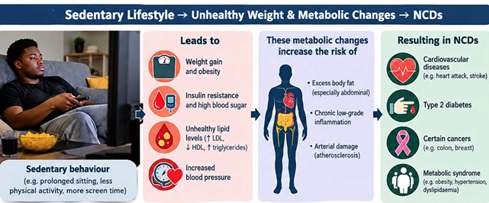
The typical Ghanaian weekday is a study in stillness. Breakfast seated, commute in a trotro or car, work at a desk, lunch break still seated, traffic home, evening glued to screens. For millions, this sedentary rhythm feels normal and harmless. But health experts warn it is quietly driving an epidemic of non-communicable diseases (NCDs)—conditions like type 2 diabetes, heart disease and certain cancers that claim more lives in Ghana than infectious diseases.
The danger is not laziness. A person can exercise three times weekly and still be dangerously sedentary if the remaining 23 hours are spent mostly sitting. The World Health Organisation recognises physical inactivity as a leading global risk factor for chronic disease, and researchers now treat prolonged sitting and lack of exercise as two separate, equally serious problems.
How sitting damages the body
Scientists have identified two pathways linking excessive sitting to chronic illness, both rooted in everyday habits.
The metabolic pathway: Muscles that are not in use stop extracting glucose from the bloodstream as effectively. Over months and years, this triggers insulin resistance—when cells stop responding properly to insulin—a direct precursor to type 2 diabetes. Inactivity also allows the body to store unused energy as fat, particularly visceral fat around the abdomen. Unlike subcutaneous fat, visceral fat acts like an active organ, releasing inflammatory compounds that damage blood vessel linings and elevate risk of heart attack, stroke, high blood pressure and metabolic syndrome.
The behavioural pathway: Long hours of sitting correlate with other harmful habits: eating processed, high-calorie snacks instead of preparing meals; irregular, poor-quality sleep; and elevated stress hormones like cortisol. Together, these disturb insulin, leptin and cortisol balance, perpetuating the same cycle of inflammation and metabolic disruption.
Cardiovascular disease warrants special attention. Prolonged sitting is linked to weight gain, rising blood pressure and unhealthy shifts in blood fats—lower HDL cholesterol and higher LDL and triglycerides. Each alone contributes to hypertension and coronary disease; combined, they significantly elevate stroke risk. Research also connects high sedentary time to increased cancer risk, particularly colorectal and breast cancers, whilst physical activity appears protective.
Mental health suffers too. Regular movement is associated with improved mood and reduced anxiety and depression symptoms, reminding us that the benefits extend far beyond physical health.
Why it matters for Ghana
Ghana faces a growing NCD burden. As urbanisation expands, jobs become more desk-based, and car use rises, sedentary behaviour is becoming entrenched. Many Ghanaians now spend 8–10 hours daily seated—at work, in traffic, at home—a pattern that previously affected only wealthy nations but is now spreading across West Africa.
The public health cost is immense. Type 2 diabetes, hypertension and heart disease already strain Ghana's health system and household finances. Yet awareness of sedentary behaviour as a distinct health risk remains low. Most health messaging focuses on diet and exercise, not on the specific dangers of prolonged sitting—meaning many Ghanaians remain unaware that even fit individuals who sit all day face elevated disease risk.
Additionally, technology and infrastructure changes have unintentionally encouraged sedentary living. Students study at computers for hours, office workers rarely leave their desks, and cars now replace walks and bicycle rides that were once routine. These shifts happen gradually and feel inevitable, making individual willpower insufficient to reverse them.
What can be done
Tackling sedentary behaviour requires more than personal choice. Schools should build movement breaks into timetables. Workplaces can encourage standing or walking meetings. Urban planners must prioritise safe, convenient walking and cycling routes. These structural changes, combined with individual awareness and effort, offer the best chance of reversing Ghana's sedentary trajectory before the full toll of NCDs overwhelms the health system.
The good news: regular movement works directly against sedentary damage, improving circulation, strengthening the heart and helping the body regulate blood pressure more efficiently. Small, consistent changes—standing whilst working, taking the stairs, walking short distances instead of driving—can make a meaningful difference.
Source: The Ghana Report




Comments (0)
Be the first to comment.