Heart Disease Kills More Women Than Cancer: What Ghanaian Women Need to Know

Heart disease remains the leading cause of death among women globally, claiming more lives than all forms of cancer combined. As February marks a global push for women's heart health awareness, Ghanaian women are being urged to take their cardiovascular wellbeing seriously—particularly given rising rates of lifestyle-related illnesses across West Africa.
International Wear Red For Women Day, observed on February 7th each year, serves as a critical reminder that heart disease does not discriminate by geography or income level. In Ghana, where healthcare infrastructure remains unevenly distributed and preventive care education is not always readily accessible, understanding the warning signs and risk factors for heart disease can be lifesaving.
Recognising Heart Attack Symptoms in Women
One of the most dangerous myths about heart attacks is that they always involve sudden, crushing chest pain. In women, symptoms often develop differently and may be overlooked as minor ailments. Women experiencing a heart attack may feel shortness of breath, unusual fatigue, cold sweats, or pain and numbness in one or both arms. Some women report dizziness, nausea, indigestion, or pain in the upper back, jaw, or shoulders.
These subtle presentations mean many women delay seeking medical attention, worsening outcomes. If you experience any combination of these symptoms, seek immediate medical care rather than waiting to see if they pass.
Practical Steps to Protect Your Heart
Preventing heart disease does not require expensive interventions. Key actions include:
- Quitting smoking, which reduces heart disease risk by at least 50 percent
- Maintaining a balanced diet rich in vegetables, whole grains, and lean proteins
- Getting 30 minutes of moderate exercise at least five days weekly—brisk walking and traditional dancing count
- Monitoring blood pressure and cholesterol levels through regular medical check-ups
- Managing stress through proven techniques like meditation or community support
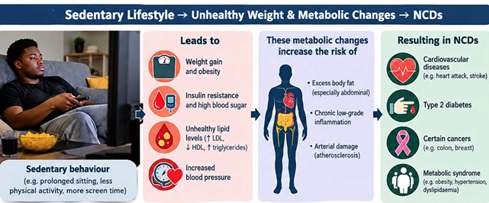
These steps are particularly important in Ghana, where sedentary lifestyles in urban areas and increased consumption of processed foods have contributed to rising hypertension and diabetes rates among women.
Why This Matters for Ghana
Ghana's healthcare system faces significant challenges in prevention and early detection of chronic diseases. Many Ghanaian women lack access to affordable screening for blood pressure, cholesterol, and glucose levels—all critical risk factors for heart disease. Additionally, cultural attitudes sometimes downplay women's health concerns, delaying diagnosis and treatment.
International Wear Red For Women Day provides an opportunity for Ghanaian women to start conversations about heart health within their families and communities. Sharing personal stories, educating younger women about risk factors, and advocating for better access to preventive healthcare are all ways to build awareness locally.
This year, as you mark February 7th, consider wearing red not just as a symbolic gesture, but as a commitment to your own cardiovascular health and that of the women around you. Schedule a health check-up, discuss heart disease risk with your doctor, and encourage the women in your life to do the same. Your heart is too important to leave to chance.
Source: The Ghana Report



Comments (0)
Be the first to comment.