
Volta Police Ladies Sound Alarm on Breast Cancer: 'Fear and Stigma Are Killing Women'


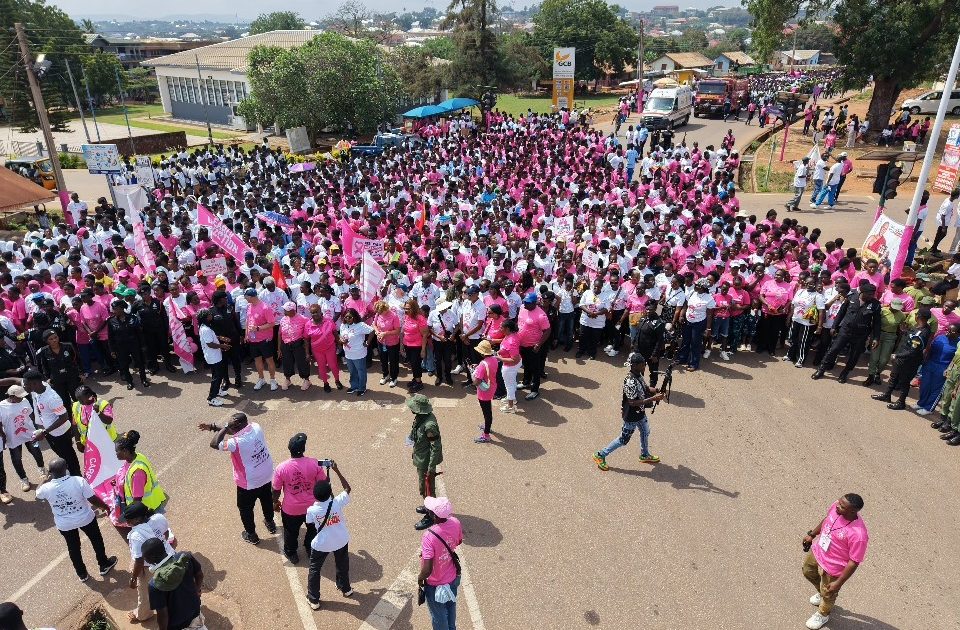
Women across the Volta Region are being called upon to take charge of their health after a breast cancer awareness and screening programme in Ho laid bare the deadly consequences of silence, fear and misinformation. Organised by the Volta Regional Police Ladies Association under the theme 'Early Detection Saves Life', the event brought together female police personnel for education, self-examination training and on-site screening — a rare opportunity that health advocates say far too few Ghanaian women take advantage of.
Why delayed diagnosis is proving fatal
Chief Superintendent Rossina A.D. Gariba, Volta Regional President of the Police Ladies Association, did not mince words: many women are dying from breast cancer not because the disease is unbeatable, but because it is caught too late. She identified three interlinked culprits — ignorance, fear and silence. Together, these forces push women away from clinics and towards late-stage diagnoses when treatment options are significantly more limited and survival rates drop sharply.
Deputy Commissioner of Police (DCOP) Denis Korku Fiakpui, the Deputy Volta Regional Police Commander, reinforced this message, noting that breast cancer is one of the most prevalent cancers affecting women globally, cutting across professions and social classes. He stressed that some women convince themselves they cannot possibly have the disease simply because they look and feel healthy, while others are so afraid of a positive diagnosis that they avoid screening altogether — a tragic logic that turns a treatable condition into a death sentence.
DCOP Fiakpui also challenged a widespread misconception: that breast cancer is exclusively a disease of older women. While the risk does increase with age, younger women are equally vulnerable and must treat regular self-examination and clinical screening as non-negotiable habits, not optional luxuries.
What this means for Ghana
Breast cancer is the most common cancer among women in Ghana, according to health authorities, and the country continues to record high mortality rates compared to more developed nations — a gap driven largely by late presentation at health facilities rather than a lack of effective treatments. Many women who could be saved with early-stage intervention are instead diagnosed at advanced stages when outcomes are far worse.
The cultural dimensions of this crisis are significant. In many Ghanaian communities, discussing breast health openly remains taboo, and a cancer diagnosis carries social stigma that can lead to isolation, discrimination and even marital breakdown. These social pressures discourage women from speaking up, getting screened or sharing symptoms — creating a cycle of silence that health campaigns like this one are trying to break.
For female police officers specifically, the pressure is compounded by the demands of a profession that constantly puts others first. DCOP Fiakpui acknowledged that the nature of police work — responding to emergencies, long shifts, sacrifice — often leads female officers to deprioritise their own wellbeing. His message was direct: officers cannot serve their communities effectively if they are not alive and well themselves.
How women can protect themselves
Health professionals consistently recommend a combination of approaches for early detection:
- Monthly breast self-examinations to become familiar with what is normal and to notice any changes in size, shape, texture or the appearance of lumps.
- Regular clinical breast examinations by a trained health worker, particularly for women over 40 or those with a family history of breast cancer.
- Prompt reporting of any warning signs — including lumps, nipple discharge, skin dimpling or persistent breast pain — to a health facility without delay.
Chief Superintendent Gariba said the association intends to continue holding such outreach events to normalise open conversations about breast cancer and remove the shame that stops women from seeking help. The message from Ho is unambiguous: early detection saves lives, and no amount of fear or stigma is worth dying for.
Source: The Ghanaian Times




Comments (0)
Be the first to comment.