Stroke cases in young Africans surge: What Ghanaians need to know about this health crisis

A troubling global health trend is emerging from recent medical research: stroke rates among young adults have nearly doubled over the past 30 years. The findings, published in the journal Neurology, point to escalating risk factors that are catching the attention of health professionals worldwide—and Ghana's medical community is watching closely.
Strokes, once considered primarily a disease of older populations, are now striking younger people with alarming frequency. This shift represents a significant departure from historical patterns and suggests that lifestyle and health behaviours among younger generations are creating an environment ripe for cardiovascular disease.
What's driving the surge in young adult strokes?
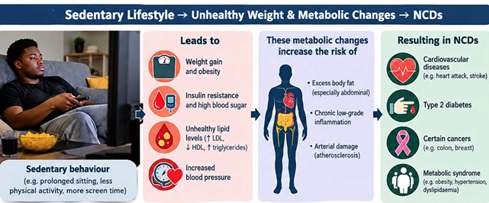
Researchers attribute the dramatic increase to several interconnected factors. Rising rates of obesity, diabetes, and hypertension among young people are primary culprits. Additionally, sedentary lifestyles, increased stress, poor dietary habits, and smoking continue to elevate stroke risk even in those under 45 years old.
The globalisation of Western dietary patterns—high in processed foods, sugar, and unhealthy fats—has accelerated these trends in developing nations. Ghana, like many African countries experiencing rapid urbanisation, has seen shifts toward convenience foods and away from traditional diets, potentially contributing to metabolic diseases that increase stroke risk.
Mental health factors also play a role. Stress-related conditions and depression have been linked to higher stroke incidence in younger populations. For young Ghanaians juggling employment pressures, education costs, and economic uncertainty, the psychological toll may be underestimated.
Why it matters for Ghana
Ghana's healthcare system faces mounting pressure from non-communicable diseases. Stroke care requires specialised neurology services, imaging equipment, and rehabilitation facilities—resources that remain concentrated in major urban centres. A doubling of young adult strokes could overwhelm existing capacity and divert resources from other critical health priorities.
The economic impact on Ghanaian families is substantial. A young stroke survivor may face permanent disability, loss of earning potential, and long-term care needs. Unlike infectious diseases, stroke prevention depends heavily on individual lifestyle changes and access to preventive medications—both challenges in a context where healthcare access remains uneven.
Ghana's Ministry of Health and existing stroke awareness campaigns must adapt to address this younger demographic. Current messaging often targets older citizens; a renewed focus on young professionals, students, and working-age adults is essential.
Prevention and next steps
The findings underscore the urgency of prevention. Managing blood pressure, maintaining healthy weight, regular physical activity, limiting alcohol, and avoiding tobacco remain the cornerstone interventions. For Ghanaians, accessible health screening programmes and workplace wellness initiatives could help identify at-risk individuals before a stroke occurs.
Healthcare providers across Ghana should remain alert to stroke symptoms in younger patients—symptoms that may be atypical or initially misdiagnosed. Early intervention dramatically improves outcomes and reduces long-term disability.
This global research serves as a wake-up call for Ghana's public health authorities and individuals alike. Reversing the trend will require coordinated effort: better health education, improved access to preventive care, and individual commitment to lifestyle change.
Source: 3News

-1200x675.webp)

Comments (0)
Be the first to comment.