Oil Markets in Flux as Iran Sanctions Tighten, But Ghana's Petrobras Deal Signals New West African Opportunity
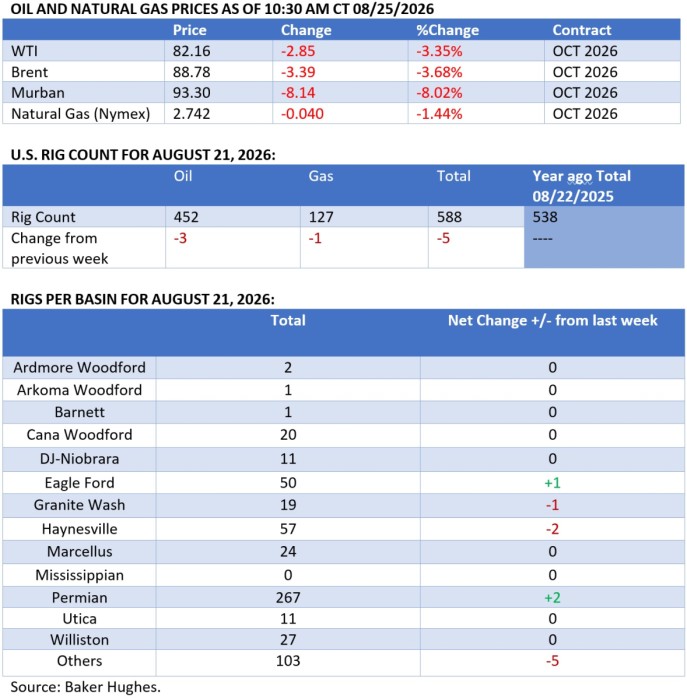
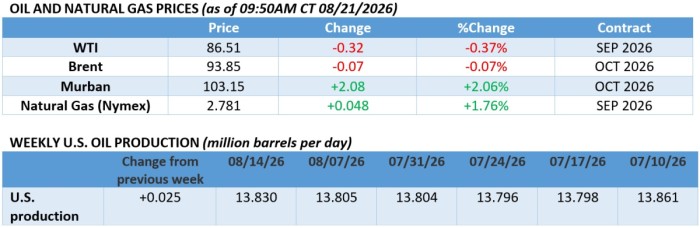
Crude oil markets experienced a notable retreat this week as conflicting geopolitical pressures—intensified American sanctions on Iran and emerging Pakistani mediation efforts—pushed Brent prices down to $89 per barrel. For Ghana, however, the broader energy landscape presents fresh opportunities, with Brazil's state-owned Petrobras actively negotiating exploration contracts covering four offshore blocks in the largely unexplored Keta basin, signalling renewed international confidence in West African hydrocarbon potential.
The Iran Crisis and Global Oil Dynamics
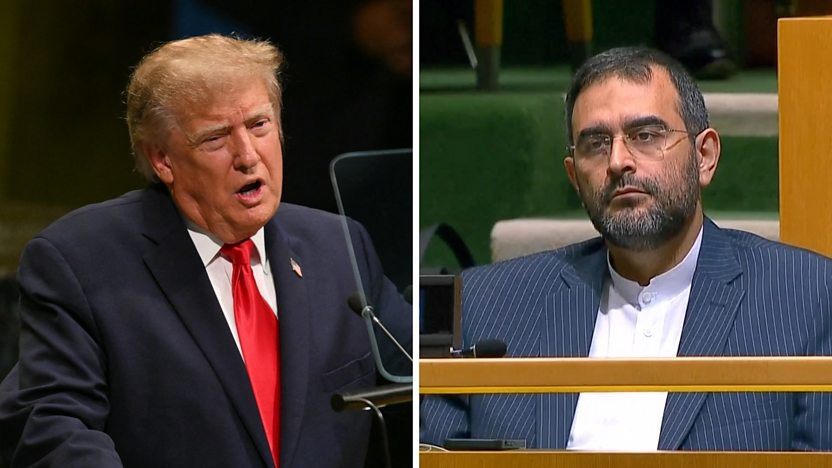
The Trump administration's announcement of sweeping "Economic D-Day" sanctions against Iran has intensified pressure on Tehran's already fragile crude export operations. US Treasury Secretary Scott Bessent threatened to sanction all major trading partners who fail to wind down commerce with Iran, targeting the dollar system access of non-compliant firms. Simultaneously, a US Navy maritime blockade in the Gulf of Oman has choked Iranian crude flows to historically minimal levels—just 0.3 million barrels per day in August, compared with a 2025 average of 1.7 million b/d.
The situation has created severe market distortions. Iranian crude now trades at a $4-per-barrel premium to ICE Brent, reflecting acute supply constraints. Chinese buyers, who imported roughly 800,000 barrels daily in June and July through accumulated floating storage, face dwindling supplies. Analysts project China could exhaust available Iranian inventory by October if the blockade persists. Meanwhile, only two commodity vessels crossed the Hormuz Strait on Monday—down from a ten-day average of fourteen—after Iran threatened fines, detention and cargo seizure against vessels it deems non-compliant with its dark transit regulations.
Ghana's Emerging Role in West African Energy Competition
Against this volatile backdrop, Ghana is attracting significant international interest in its offshore energy potential. Petrobras has entered direct negotiations with the Ghanaian government to secure exploration contracts across four blocks in the Keta basin, a frontier region that remains largely underexplored. The move represents a strategic expansion for Brazil's oil major, which seeks to diversify beyond its traditional South American focus and capitalise on West Africa's growing reputation as a stable investment destination.
The Keta basin exploration push comes as other major operators remain active across the region. Guyana's regulatory authorities have launched investigations into a recent fire aboard ExxonMobil's Liza Unity floating production vessel, whilst Chevron has formalised its return to Libya with a production-sharing agreement for an onshore block containing significant gas reserves. These competitive dynamics underscore international appetite for hydrocarbon acreage outside the Middle East, particularly as geopolitical risks intensify in the Persian Gulf.
What This Means for Ghana
Petrobras's interest in Ghana's Keta basin reflects a broader strategic repositioning within global energy markets. As Iran's crude becomes increasingly inaccessible due to US sanctions and maritime interdiction, refiners and traders are seeking alternative, reliable suppliers. West Africa—and Ghana in particular—benefits from this shift. The country already produces roughly 800,000 barrels daily from existing fields and possesses substantial untapped reserves.
Successful Petrobras exploration in the Keta basin could unlock additional production capacity for Ghana within five to seven years, generating fresh export revenues and strengthening the nation's position as a stable energy partner. Such developments also attract downstream investment, potentially attracting refineries and petrochemicals facilities that create ancillary economic activity and employment. The precedent set by Petrobras negotiations may encourage other international operators to pursue exploration acreage in Ghana, intensifying competition and driving higher bids for exploration and production rights—ultimately benefiting the Ghanaian Treasury.
However, success requires transparent regulatory frameworks, investment security guarantees and effective community engagement. Ghana's experience managing multinational oil operations in the Jubilee and TEN fields provides a foundation, though ongoing scrutiny of local content compliance and environmental safeguards remains essential to sustain investor confidence and public support.
Source: The Ghana Report


Comments (0)
Be the first to comment.