West Africa bleeds $27.8bn annually as millions of children locked out of classrooms

West Africa is haemorrhaging nearly $28 billion annually because millions of children remain outside the classroom, research presented at a major education conference in Accra this week has revealed. The economic toll extends far beyond lost wages—it represents squandered human potential and deepening inequality across the region, experts warned.
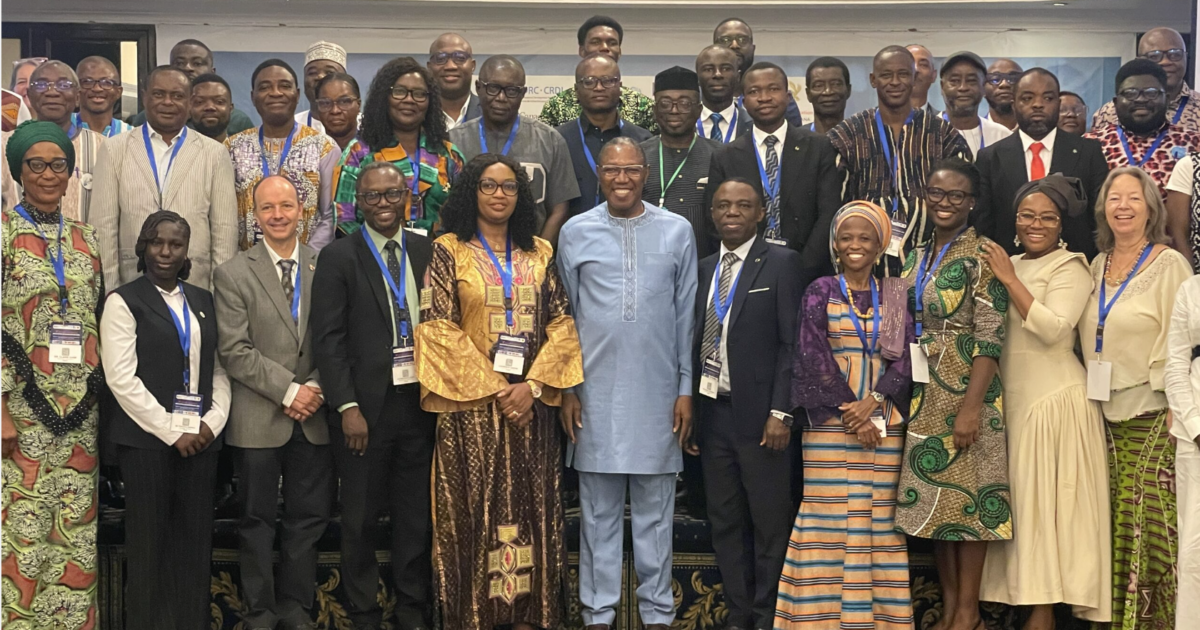
The findings emerged at the closing ceremony of the second High Level Conference on Scaling Education Initiatives in Emergencies (ACCELERATE+), held in the capital on Wednesday. Dr Adedeji Adeniran, Director of Research at the Centre for the Study of the Economies of Africa, outlined the staggering costs of education exclusion, emphasising that the $27.8 billion figure reflected both immediate economic losses and the long-term consequences of reduced productivity and diminished future opportunities for affected children.
Ghana's role in breakthrough literacy research
Ghana is emerging as a testing ground for a transformative approach to foundational learning. Dr Sunita Gandhi, Founder of Dignity Education in India, shared results from pilot projects conducted in Ghana through partnerships with Associates for Change and the Olinga Foundation. Her Accelerating Learning for All programme has demonstrated that children can master basic reading skills in just 45 to 60 days—a dramatic acceleration from conventional timelines and at significantly lower cost than traditionally believed possible.
This breakthrough has major implications for Ghana's efforts to tackle its own out-of-school population. Discussions are already underway to scale up the intervention across the country, potentially transforming how foundational literacy and numeracy are delivered in resource-constrained settings. Dr Gandhi emphasised that every child has a fundamental right to these basic skills, warning that failure to provide them creates cascading problems for families, communities and entire nations.
What this means for Ghana's education crisis
Ghana faces persistent challenges in getting all children into school and keeping them there. Emergencies—from conflicts and disease outbreaks to economic shocks—further disrupt learning. The conference brought together 150 delegates from across Africa, including researchers, educators, government officials, innovators and NGOs, to identify cost-effective interventions that can be rapidly scaled.
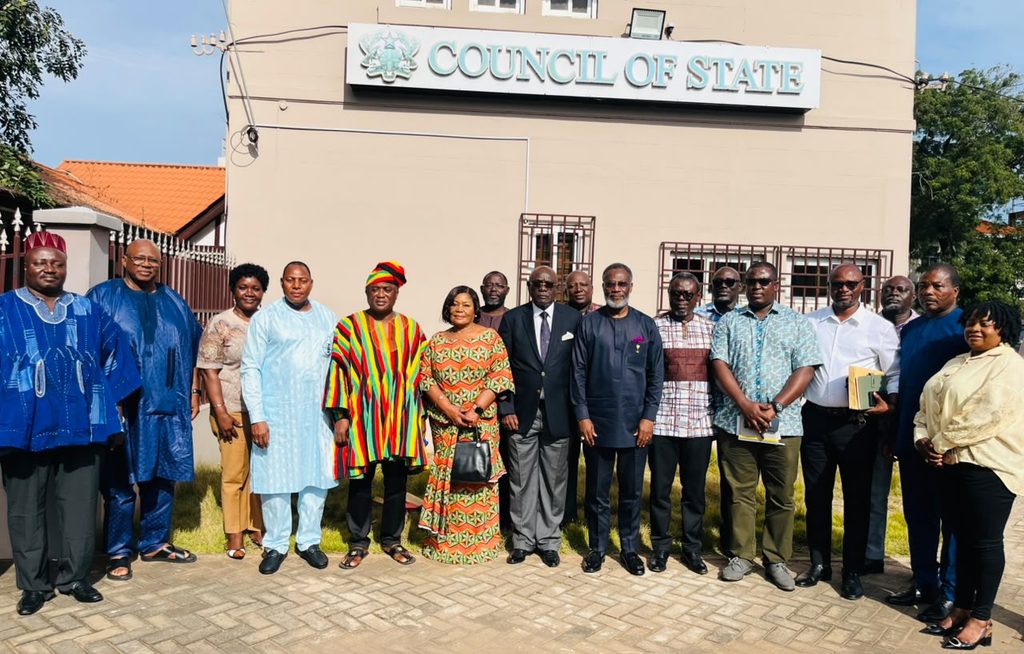
Mrs Patience Effie Abue Dogbey, Deputy Executive Director of Support Services at the Complementary Education Agency, indicated that Ghana's education authorities are taking the findings seriously. The Agency intends to strengthen the integration of education in emergencies into national policy and improve collaboration with civil society and development partners—a recognition that addressing education exclusion requires coordinated action across government and the non-state sector.
Dr Leslie Hayford, Director of Associates for Change, highlighted that the conference served as a crucial platform for examining which education models offered the greatest potential for scaling. She stressed that evidence-based interventions, when properly resourced and led, could bring out-of-school children back into learning.
The research underscores a hard truth: Ghana and West Africa cannot afford to leave children behind. Every year of exclusion compounds the loss—lost earnings, reduced tax revenue, weaker economies and societies less equipped to tackle future challenges. The good news is that proven solutions exist. What is needed now is the political will and sustained funding to implement them at scale.
Source: The Ghanaian Times

Comments (0)
Be the first to comment.