Ghana leads West Africa push for evidence-based crisis education response
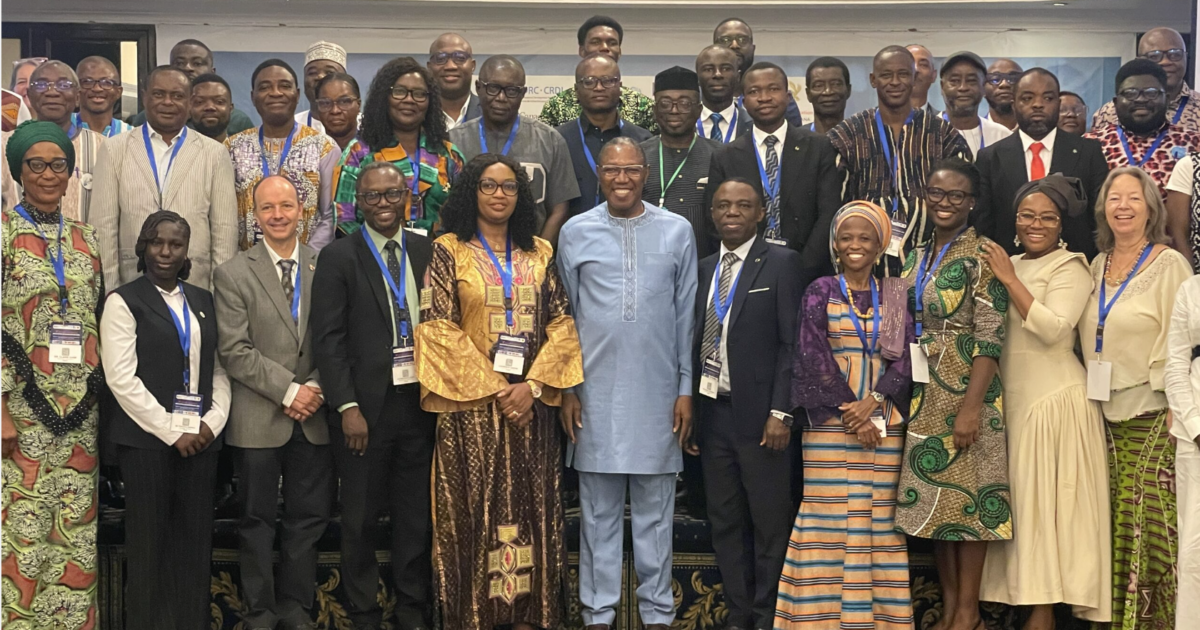
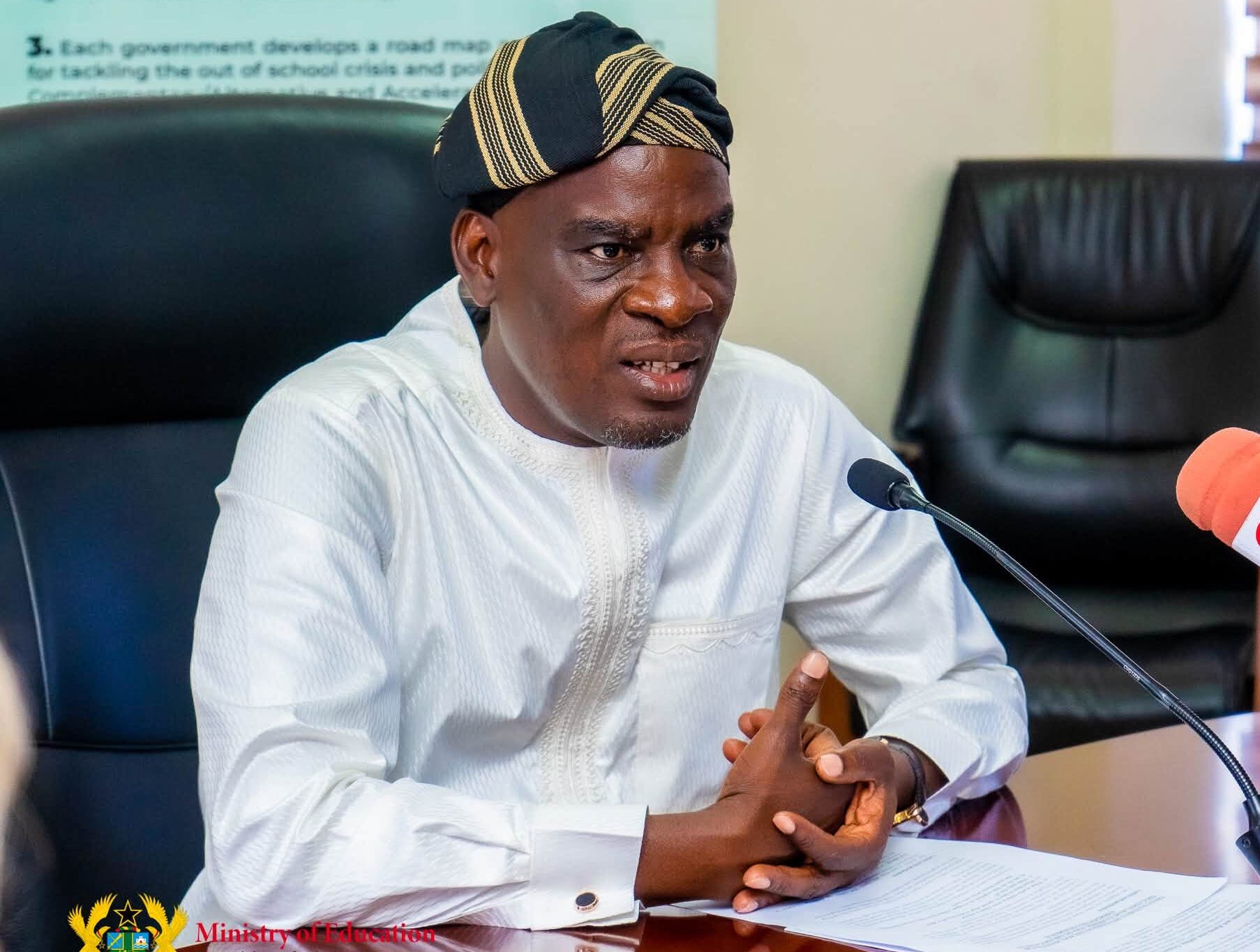
Ghana's Education Minister Haruna Iddrisu has challenged policymakers and development partners across West Africa to abandon reactive, urgency-driven approaches to education in emergencies and instead anchor interventions in solid research evidence. Speaking at the Second High-Level Conference on Education in Emergency (ACCELERATE+) in Accra, Iddrisu warned that without data-driven decision-making, well-intentioned programmes risk wasting limited resources while failing to protect the children they aim to serve.
The conference, held at La Palm Royal Beach Hotel and organised by Associates for Change in partnership with Nigerian and Burkinabé research institutions, brought together education leaders, researchers, innovators and donors to explore solutions to a deepening crisis. The gathering underscores Ghana's role as a convening power on regional education policy, particularly as conflict and climate shocks increasingly disrupt schooling across the subregion.
The scale of the crisis
The stakes are staggering. Global data shows 72 million crisis-affected children remain entirely out of school, whilst a further 127 million enrolled students are failing to achieve basic learning outcomes due to collapsed education systems, resource scarcity and prolonged emergencies. In West Africa specifically, the problem is acute: conflicts in the Sahel, displacement crises, climate-related disasters and socio-economic shocks have created an education emergency that disproportionately harms girls and the most vulnerable children.
Ghana itself, though relatively more stable than neighbours like Burkina Faso and Mali, faces spillover effects. Refugee populations from the Sahel region strain school systems, whilst climate stress in the north threatens attendance and learning quality. The conference's focus on West Africa reflects the reality that no single country can solve this problem alone.
Building resilience, not just responding to crisis
Iddrisu's core message centred on a fundamental shift in mindset: investing in resilient education systems before crises strike, rather than scrambling to respond once they do. He called for risk analysis, contingency planning and robust school infrastructure designed to "bend without breaking" when shocks hit.
The conference agenda reflects this thinking, spanning five key themes: building resilient education systems; foundational learning and digital innovation; and crucially, teacher welfare and safe learning environments. Dr Leslie Casely-Hayford, director of Associates for Change, emphasised that psychosocial support for teachers is essential—educators deployed to fragile communities need mental health resources to sustain their work.
Why this matters for Ghana
Ghana's education sector faces mounting pressure from multiple directions. Northern regions grapple with insecurity and drought, whilst refugee arrivals strain budgets. The minister's push for evidence-based policy is a direct challenge to Ghana's own budget allocation processes. If researchers produce quality data on what interventions actually work—whether that is teacher incentives in conflict zones, digital learning platforms, or cash transfers for vulnerable families—then Ghana's Ministry of Education must pivot its spending accordingly.
Iddrisu's call for development partners to "align their interventions with national priorities and long-term commitments" also signals frustration with donor fragmentation. Too often, international agencies fund pet projects that diverge from government plans, creating sustainability problems when funding ends. Ghana, as the conference host and a relative regional anchor, is positioning itself to set standards for more coherent aid architecture.
The underlying argument is clear: in a region where education budgets are stretched and crises multiply, guesswork is a luxury Africa cannot afford. Evidence-based responses demand that researchers make findings "clear, timely and usable," that policymakers actually use them, and that funders commit to long-term support rather than short-term fixes. For Ghana's children—and the millions across West Africa—the difference could be transformational.
Source: MyJoyOnline


Comments (0)
Be the first to comment.