
Afenyo-Markin Tears Into 2027 Budget: 'Ghanaians Want Jobs, Not Slogans'
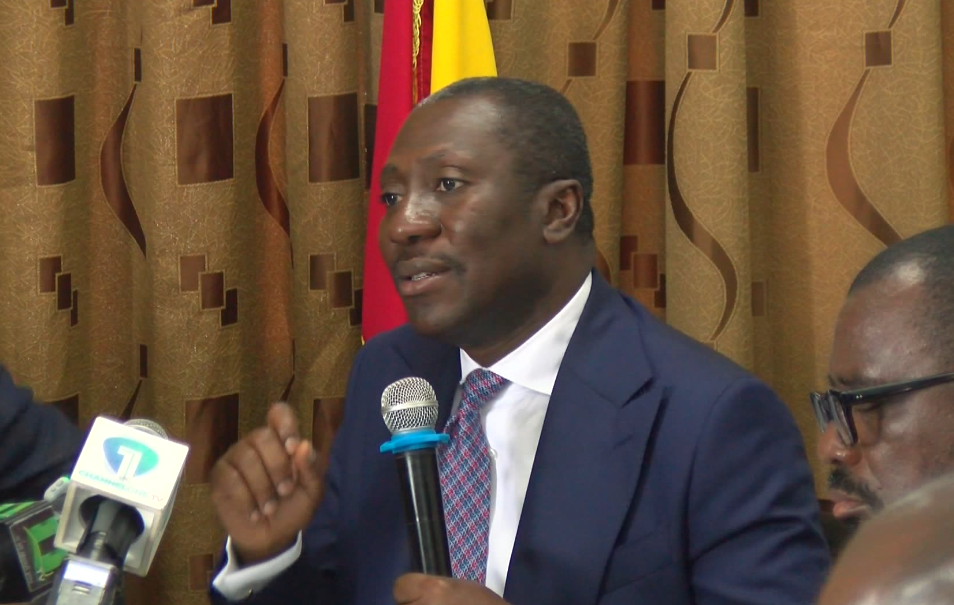

The Minority caucus in Ghana's Parliament has launched a sharp critique of the 2027 Budget Statement, insisting that the Mahama administration's repeated talk of economic recovery rings hollow for ordinary Ghanaians battling rising food costs, scarce jobs and struggling businesses. Minority Leader Alexander Afenyo-Markin delivered the broadside on Thursday, shortly after Finance Minister Dr Cassiel Ato Forson laid the budget before Parliament.
A Budget of Slogans, Not Solutions — Minority's Core Argument
Afenyo-Markin did not mince words, summing up his caucus's position in a single cutting phrase: "Stability on paper, hardship in our pockets." He argued that whatever macroeconomic indicators the government points to, the lived reality for most Ghanaians tells a different story.
He drew attention to persistently high food prices in key markets across the country — including Makola in Accra, Kumasi Asafo, Techiman, Tamale and Winneba Central — as evidence that the government's claims of stability have not filtered down to market women, households or small traders. Farmers, he said, continue to lack meaningful support, and locally produced staples remain beyond the reach of many families.
The cocoa sector drew particular scrutiny. Afenyo-Markin questioned whether the farmgate price paid to cocoa farmers had improved under the NDC government, alleging that it had in fact fallen despite promises the party made while in opposition. Cocoa remains one of Ghana's most critical export earners and a direct source of income for hundreds of thousands of rural households.
On employment, the Minority Leader was equally pointed. He rejected the Finance Minister's appeal for patience from Ghanaians, arguing that after two years in office the public deserves tangible outcomes — not assurances. "The NDC cannot rebrand unemployment. They cannot slogan away the cost of living," he said, adding that the government had failed to state clearly how many jobs it had actually created since taking office.
What This Means: Key Policy Questions Left Unanswered
Beyond the political point-scoring, the Minority raised several substantive questions that touch on how the budget will be implemented and monitored. Chief among them is the government's flagship New Economy Programme, a planned initiative backed by a stated US$10 billion envelope covering the period 2027 to 2030. Afenyo-Markin said the budget failed to explain how much of that figure would actually be disbursed in 2027 alone, and which specific projects it would finance — making independent scrutiny and accountability difficult.
He also asked the government to clarify the relationship between the New Economy Programme and the previously touted 24-hour economy policy, suggesting there is confusion or even contradiction between the two frameworks.
Public sector workers featured prominently in his remarks as well. While welcoming the government's stated ability to meet its obligations under the Domestic Debt Exchange Programme — a critical element of Ghana's ongoing IMF-supported recovery — Afenyo-Markin questioned why similar fiscal space had not been found to pay arrears owed to groups such as the Judicial Service Workers' Association (JUSAG), or to fund recruitment of teachers and nurses.
The promised women's bank, which has appeared in previous budget presentations, was notably absent from the 2027 statement, according to the Minority Leader, raising doubts about the government's follow-through on gender-focused economic commitments.
Why It Matters for Ghana's Economic Debate
Ghana is at a delicate stage of its economic recovery, operating under an IMF programme following the debt crisis that forced a domestic debt restructuring in 2023. The 2027 Budget therefore carries significant weight — it must balance fiscal discipline demanded by creditors with the need to stimulate growth and ease the burden on citizens who have endured years of austerity.
The Minority's critique reflects a broader tension: governments in recovery programmes often show improving headline numbers — lower inflation, narrowing deficits — while ordinary people continue to feel squeezed. Afenyo-Markin also raised concerns about electricity costs and insufficient incentives for private businesses, arguing that without a thriving private sector, no budget can deliver sustainable growth.
The Minority caucus said it would conduct a thorough review at the upcoming budget workshop before releasing a comprehensive formal response. That document, when it arrives, is likely to sharpen the parliamentary debate considerably in the weeks ahead.
Source: MyJoyOnline

Comments (0)
Be the first to comment.