
Forson Lays Bare Ghana's 2022 Economic Collapse as He Tables 2027 Budget
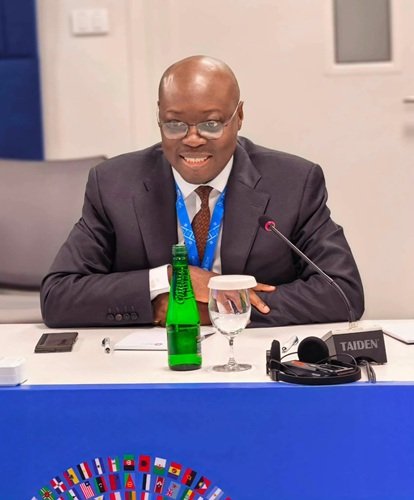

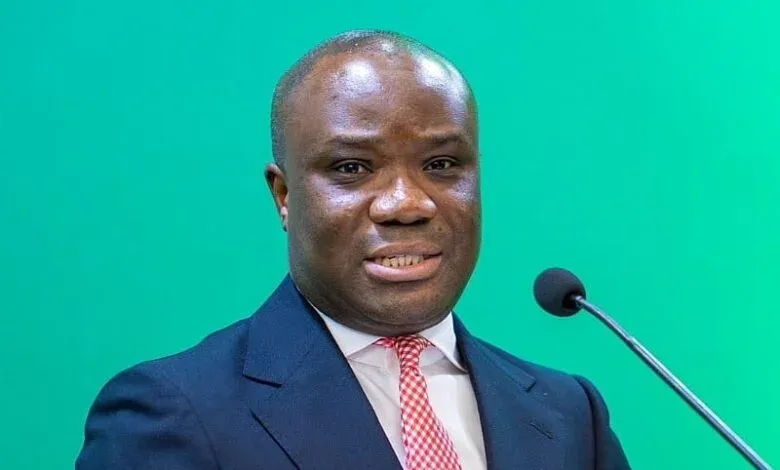
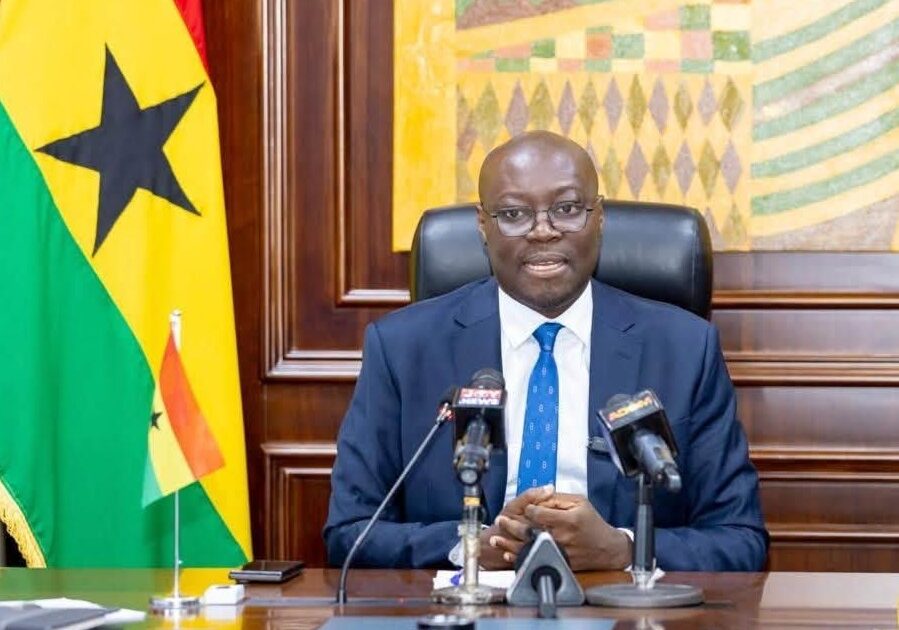
Finance Minister Dr. Cassiel Ato Forson has painted one of the most detailed official pictures yet of how badly Ghana's economy deteriorated under the previous New Patriotic Party (NPP) administration, using the platform of the 2027 Budget presentation to remind lawmakers and citizens alike of the scale of the crisis that left millions of Ghanaians struggling to afford food, medicine and transport.
A Country on the Brink: The Numbers Behind the Crisis
Presenting the budget, Dr. Forson cited a series of economic indicators that underscored how close Ghana came to a complete fiscal collapse by the close of 2022. Inflation had surged to 54.1 percent, making everyday goods unaffordable for ordinary families. The primary balance — a key measure of how well government revenues cover its non-interest spending — stood at a deficit of 4.3 percent of GDP.
Perhaps most alarming, an IMF debt sustainability analysis placed Ghana's total debt at over 100 percent of GDP, a threshold that signals a country's debts have outgrown its entire annual economic output. At the same time, gross international reserves had fallen to less than three weeks of import cover, leaving the country dangerously exposed to external shocks and unable to adequately support the value of the cedi on international markets.
The rapid depreciation of the cedi during that period fed directly into higher prices at the pump, in markets and in pharmacies — a reality that Ghanaians in every corner of the country experienced firsthand.
Why It Matters for Ghana
The 2022 economic crisis was not simply a set of statistics — it reshaped daily life for millions of Ghanaian households. Dr. Forson stressed that behind every figure lay a human story: families forced to choose between keeping children in school and putting food on the table, pensioners who saw the value of their retirement savings slashed, and small business owners who watched their enterprises collapse as interest rates soared and the cedi lost value week after week.
The debt restructuring programme that followed — a condition of Ghana's IMF bailout — imposed what the minister described as painful haircuts on a broad range of stakeholders, including pension funds, commercial banks, individual bondholders and businesses. For many ordinary Ghanaians, particularly those whose pension contributions were held in domestic bonds, the restructuring meant a direct and deeply personal financial loss.
Dr. Forson's decision to open the 2027 Budget with this retrospective is itself politically significant. It frames the current NDC administration's fiscal plans as a recovery mission, setting expectations for the direction of economic policy and signalling to both domestic audiences and international partners that the government is conscious of the starting point from which it is working.
What Comes Next
While the minister's remarks focused heavily on diagnosing the damage of the past, the presentation of the 2027 Budget is ultimately forward-looking. Ghanaians will be watching closely to see what concrete measures the government proposes to consolidate the gains made under the ongoing IMF programme, stabilise the cedi, bring inflation down to manageable levels and restore confidence among investors and trading partners.
- The budget presentation provides the clearest government account yet of the depth of the 2022 crisis and its human toll.
- Key indicators cited include 54.1% inflation, debt above 100% of GDP and reserves below three weeks of import cover.
- Debt restructuring cut returns for pension funds, banks and individual bondholders, affecting millions of Ghanaians directly.
As parliament debates the details of the 2027 Budget in the coming days, the opposition NPP is expected to offer its own assessment of the economic record — and of the current administration's plans for recovery.
Source: The Ghanaian Times

Comments (0)
Be the first to comment.