
Falling Inflation Figures Mean Little If You're Stuck 12 Hours on the Road to Kumasi — Prof Bokpin
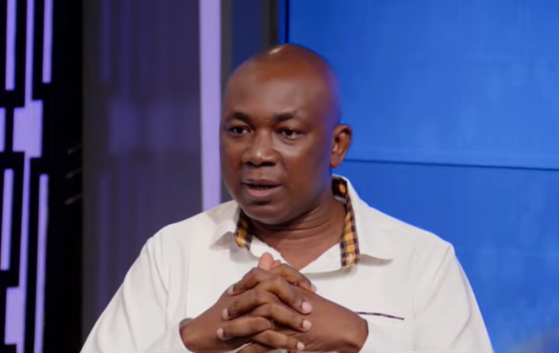

Ghana's headline inflation may have eased to 5.2%, but for the ordinary Ghanaian spending half a day on the road between Accra and Kumasi, that number offers cold comfort. That is the blunt assessment of University of Ghana economics professor Godfred Alufar Bokpin, who is urging government to ensure that macroeconomic progress begins to translate into tangible improvements in everyday life.
Stability on paper, struggle on the ground
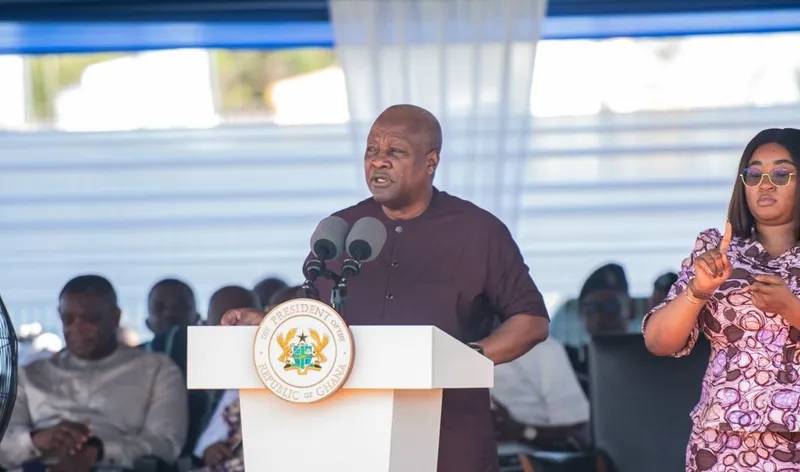
Speaking on Joy News' PM Express on Tuesday, Prof Bokpin acknowledged that the Mahama administration had made real strides in steadying Ghana's battered economy during its first two years in office. Inflation has fallen sharply, interest rates have come down, and the cedi has shown relative resilience despite fresh pressures in the foreign exchange market.
"To that extent, and to the extent that that is what we set out to achieve in the first two years of the administration, I would say they've done quite well in restoring macroeconomic stability," he said.
But the professor was equally direct about the limits of that progress. Using the well-worn Accra-Kumasi corridor as a stark illustration, he noted that a commuter spending nine to twelve hours on a journey that should take far less has little reason to celebrate a lower Consumer Price Index reading. Similar frustrations, he added, play out daily for motorists navigating the increasingly strained Accra-Tema Motorway.
"If somebody is spending nine to 12 hours to travel from here to Kumasi, inflation of 5.2% means nothing to that person," he said pointedly.
Why it matters for Ghana
Ghana's economic recovery has been underpinned by an IMF-supported programme that has required significant fiscal discipline, including tight controls on government spending. While this approach has successfully cooled inflation — which had soared above 50% at its peak in late 2022 — Prof Bokpin argues it has done so largely by suppressing demand rather than expanding the economy's capacity to produce goods and services.
That distinction is crucial. Demand-side stabilisation can bring prices down, but it does not build roads, expand power generation, improve port logistics, or create the kind of productive jobs that lift household incomes. For a country carrying a large infrastructure deficit — from dilapidated highways to unreliable utilities — cutting back on growth-enabling expenditure risks hollowing out the very foundation needed for sustainable recovery.
"For a country that is saddled with a huge infrastructure deficit, imposing restrictions on the growth drivers of the economy — such a country cannot celebrate extensive austerity expenditure cuts," Prof Bokpin warned.
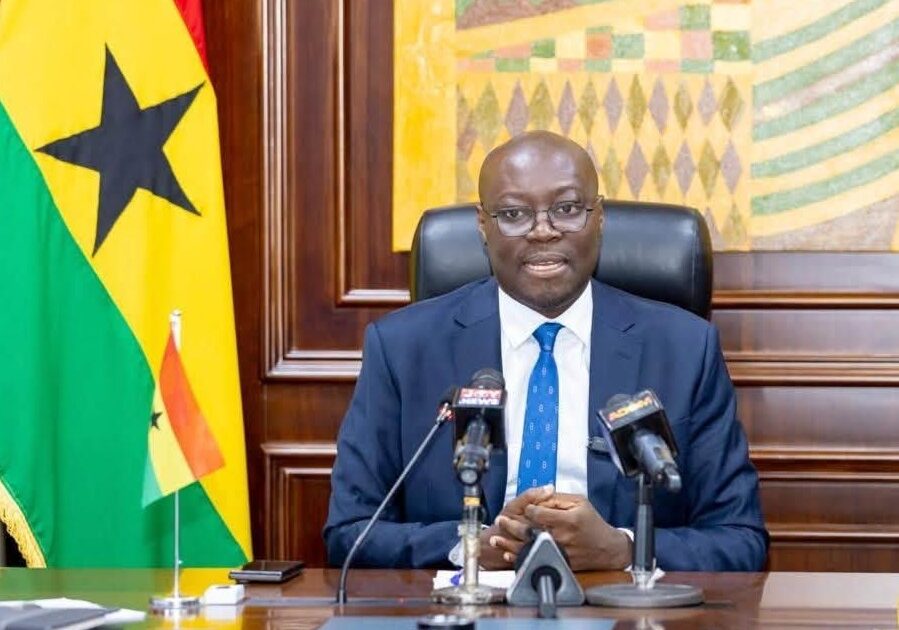
His comments arrive at a particularly significant moment. Finance Minister Dr Cassiel Ato Forson is expected to present the 2027 Budget to Parliament on Thursday, 12 November. The budget is anticipated to lay out the details of government's New Economy programme, a four-year initiative aimed at shifting Ghana's economic strategy from crisis stabilisation towards productive investment and structural transformation.
What comes next
The Minority in Parliament has already raised pointed questions about how the New Economy programme will be financed, while also demanding accountability for existing flagship initiatives. Opposition lawmakers have drawn attention to the same disconnect Prof Bokpin highlights — that falling inflation has not been matched by falling hardship at the household level.
Prof Bokpin indicated that the second phase of economic management must now move decisively beyond stabilisation. Government will need to unlock investment in infrastructure and productive capacity if the recovery is to be felt in markets, homes and on the roads.
- Ghanaians have faced deteriorating road conditions on major routes including the Accra-Kumasi highway for years, with journey times frequently doubling due to poor road surfaces and heavy traffic.
- Ghana's inflation peaked at over 50% in late 2022 following the economic crisis, making the return to single digits a significant — if incomplete — achievement.
- The 2027 Budget, due Thursday, is expected to signal a shift in economic strategy from austerity-led stabilisation to growth-oriented investment.
As Dr Forson prepares to present his budget, the central challenge is clear: translating numbers that look good on a macroeconomic dashboard into roads that work, prices that ease household budgets, and a quality of life that Ghanaians can actually feel.
Source: MyJoyOnline


Comments (0)
Be the first to comment.