
Ato Forson Unveils $10 Billion 'New Economy' Drive as 2027 Budget Targets Jobs, Agriculture and Manufacturing
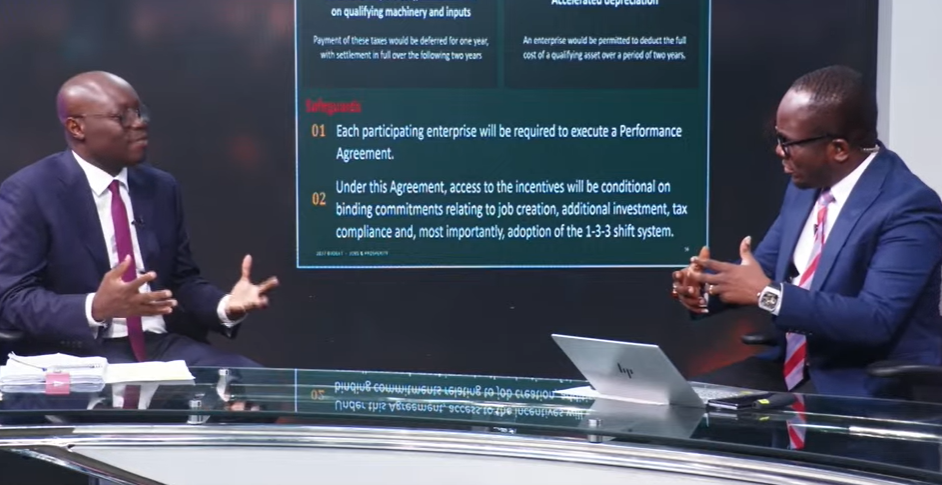

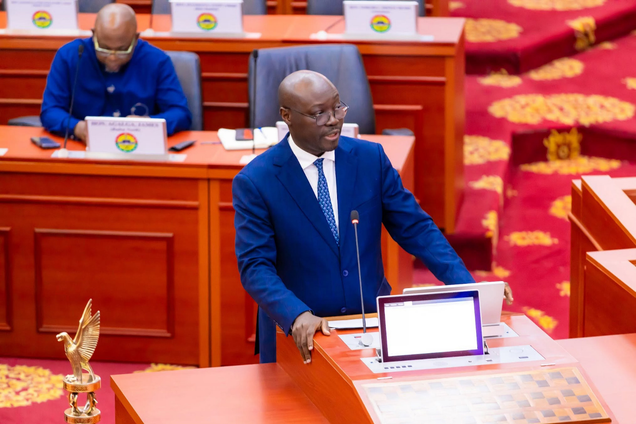
Finance Minister Dr Cassiel Ato Forson took to JoyNews' PM Express on Thursday, 12 November 2026, to break down the key details of Ghana's 2027 Budget Statement and Economic Policy, which he had earlier presented to Parliament. The interview offered Ghanaians a closer look at the government's spending priorities, economic direction and the flagship initiative set to define the next four years of fiscal policy.
The $10 Billion New Economy Programme Explained
At the centre of the 2027 Budget is what the government is calling the New Economy Programme — a four-year, $10 billion investment initiative designed to fundamentally shift Ghana's economic base from consumption-driven growth towards production and value creation. In the 2027 financial year alone, the government has earmarked GH¢30 billion for the programme's implementation.
The priority sectors targeted under this initiative are broad and deliberately chosen to address Ghana's long-standing structural economic challenges. They include:
- Commercial agriculture — scaling up food production and reducing import dependency
- Manufacturing — building local industrial capacity
- Energy — ensuring reliable and affordable power for homes and businesses
- Critical minerals — adding value to Ghana's vast natural resource endowment rather than exporting raw materials
- Textiles — reviving a sector that once employed tens of thousands of Ghanaians
- Tourism — capitalising on Ghana's cultural and heritage appeal
- Pharmaceutical production — reducing the country's heavy dependence on imported medicines
Dr Forson used the PM Express platform to address questions around how the programme will be financed and what mechanisms are in place to ensure effective implementation, given Ghana's history of ambitious economic plans that have struggled to move from paper to practice.
Why It Matters for Ghana
Ghana is emerging from one of its most difficult economic periods in recent memory. The country went through a debt restructuring process under an IMF-supported programme after a severe fiscal and balance-of-payments crisis, and many ordinary Ghanaians continue to feel the effects through high prices, a weakened cedi and strained public services. Against that backdrop, the 2027 Budget carries enormous weight — it represents the government's clearest statement yet on how it intends to translate any recent macroeconomic stabilisation into tangible improvements in living standards.
The focus on productive sectors is significant. For years, economists and civil society groups have argued that Ghana's economy remains too dependent on commodity exports and imports, leaving it vulnerable to external shocks. A deliberate push into manufacturing, agriculture and pharmaceutical production, if properly executed, could create the kind of sustainable jobs that absorb Ghana's rapidly growing youth population.
The critical minerals component is particularly timely. With the global energy transition driving demand for lithium, bauxite, manganese and other minerals that Ghana possesses in abundance, the government's intention to invest in this space signals an awareness of the opportunity — though the challenge of moving beyond raw material exports into actual processing and value addition remains formidable.
For businesses and households watching the budget closely, Dr Forson's explanations on PM Express provided an important opportunity to understand not just what the government plans to spend, but how those expenditures are expected to filter through to everyday economic life — from job creation and cheaper locally-made goods to more stable energy supply and improved food security.
What Comes Next
The 2027 Budget must still go through parliamentary scrutiny and approval before its measures take effect. Debate among legislators, economists and civil society stakeholders is expected to intensify in the coming weeks as the details of the GH¢30 billion spending plan are examined more closely. Ghanaians will be watching to see whether the financing arrangements for the New Economy Programme are credible and whether the government can demonstrate that the structural reforms needed to support such an ambitious agenda are genuinely underway.
For now, the Finance Minister's budget presentation and his subsequent interview on JoyNews mark the opening of what is likely to be a robust national conversation about Ghana's economic future.
Source: MyJoyOnline

Comments (0)
Be the first to comment.