Government Intensifies Pleas to End Teacher Strike as Thousands of Pupils Miss Classes
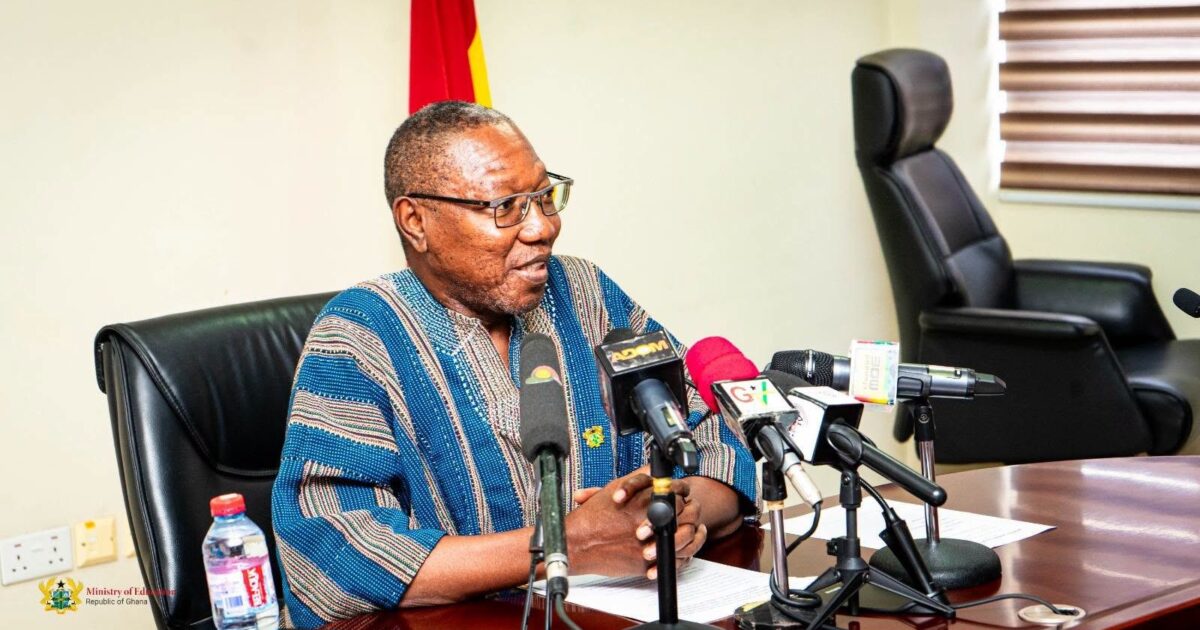
Ghana's government is maintaining a conciliatory stance in ongoing negotiations with striking pre-tertiary teachers, pledging to continue diplomatic engagement even as the industrial action enters its third week and disrupts education for thousands of pupils nationwide.
The teachers downed tools over three key demands: outstanding promotion-related payments, a proposed allowance for educators in remote rural communities, and renewal of their collective bargaining agreement. Deputy Minister of Education Dr Clement Apaak emphasised that the government does not view teachers as adversaries and remains committed to addressing their concerns whilst minimising classroom disruption.
Speaking to Citi FM on Thursday, Dr Apaak described the government's approach as a continuous appeal rather than confrontation. "It's not a crime to plead. So as long as they are not in the classroom, we will continue to plead with them," he stated, characterising the strategy as one of humility and respect for the teaching profession's legitimate grievances.
The Key Issues at Stake
The strike has highlighted persistent challenges within Ghana's education system. Teachers serving in deprived rural areas have long advocated for enhanced compensation to reflect the additional hardship of working in communities with limited infrastructure and amenities. The delayed promotion payments represent a more immediate grievance, with affected educators waiting extended periods for salary progression they have earned through service and qualification.
The collective agreement renewal signals broader concerns about working conditions, remuneration packages, and job security—matters that have periodically triggered industrial action in Ghana's education sector. The government's acknowledgement that teachers' demands are justified signals recognition of these underlying issues, though negotiations on specifics remain confidential.
Why This Matters for Ghana
Education disruption at pre-tertiary level carries significant long-term consequences for Ghana's human capital development. When pupils miss weeks of instruction, particularly during critical academic periods, learning outcomes deteriorate and disadvantaged students—often those in rural areas where teachers have already fled due to poor conditions—fall further behind.
The strike also reflects broader public sector compensation challenges. If the government resolves this dispute favourably, it may set precedent for other sectors and workers to pursue similar claims, affecting fiscal planning. Conversely, failing to resolve the dispute satisfactorily risks demoralising the teaching profession and worsening the rural teacher shortage that already undermines educational access across Ghana's regions.
The government's public commitment to addressing promotion payments and rural allowances suggests recognition that teacher retention and motivation directly impact educational outcomes. Ghana's vision for inclusive, quality education cannot be realised if teachers lack job satisfaction and financial security.
Next Steps and Outlook
Dr Apaak declined to discuss specific negotiation details, stating it would be inappropriate to disclose positions whilst discussions continue. However, he expressed optimism that progress would materialise, particularly on processing outstanding promotion payments.
The government's repeated public appeals appear designed to maintain pressure on teachers to return whilst demonstrating good faith to citizens concerned about the educational impact. With no concrete timeline for resolution announced, both sides face mounting pressure: teachers seeking tangible commitments and the government balancing fiscal constraints with education sector stability.
Civil society organisations and parents' groups have called for expedited resolution, underscoring that prolonged strikes harm vulnerable pupils most—particularly those in resource-constrained schools unable to continue learning through alternative means during work stoppages.
Source: MyJoyOnline




Comments (0)
Be the first to comment.