
NPP Youth Had Valid Concerns Under Akufo-Addo – Salam Mustapha Admits


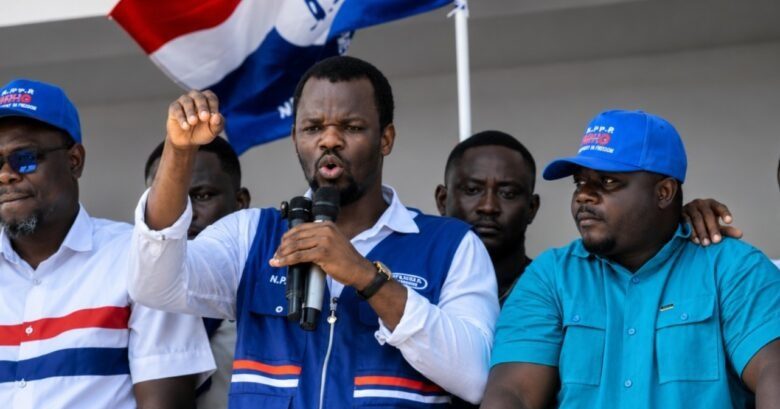
Salam Mustapha, the outgoing NPP National Youth Organiser and aspiring candidate for the party's top youth leadership position, has publicly acknowledged that party youth had legitimate complaints against the Akufo-Addo government, though he resisted their calls for a public demonstration against their own administration.
Speaking to Channel One TV on Tuesday, September 1, Mustapha revealed that youth organisers within the party had at one point considered staging a protest to air their grievances with the government's policies and decisions. Rather than dismiss their concerns, Mustapha recognised the validity of their frustrations but intervened on procedural grounds.
The Balance Between Expression and Party Loyalty
Mustapha explained his reasoning for opposing the proposed action, emphasising that whilst the youth's underlying issues were genuine, the method of airing them publicly would have been counterproductive. He believed that organising a demonstration against their own party's government could weaken both the NPP and undermine the Akufo-Addo administration at a critical time.
"Their issues were genuine, but the procedure was wrong," Mustapha stated, indicating a nuanced position that acknowledged legitimate concerns without endorsing public protest as the solution. This reflects a common tension within political parties between allowing internal dissent and maintaining party cohesion when in government.
The admission is notable coming as the NPP undergoes a period of transition following the 2024 elections. By acknowledging that youth faced real problems during the administration, Mustapha signals awareness of the challenges that faced the party at the grassroots level—a factor analysts point to as contributing to the NDC's victory in recent elections.
Why It Matters for Ghana
Youth engagement and satisfaction within political parties has become increasingly critical in Ghanaian politics. The youth demographic, which forms a substantial voting bloc, has become more vocal about demanding accountability and results from their party leadership. The NPP's loss in the 2024 election was partly attributed to youth disengagement and frustration with economic conditions, rising unemployment, and perceived neglect of their interests.
Mustapha's comments suggest that internal warnings about youth dissatisfaction existed within the party hierarchy but may not have been adequately addressed. For the NDC government and the NPP opposition, this serves as a reminder that ignoring grassroots concerns—even when they come from within your own party structure—can have serious electoral consequences.
The broader lesson for Ghanaian democracy is that healthy parties require mechanisms for internal feedback and grievance handling. When youth feel unheard within their own party structures, they may either withdraw support or seek change through electoral means, as appeared to happen in the recent elections.
Rebuilding and Moving Forward
As Mustapha positions himself for a leadership role in the party's reorganisation, his acknowledgement of past youth frustrations appears strategic. It suggests he understands what went wrong and implicitly signals commitment to better addressing youth concerns if elected to his aspiring position. The NPP, now in opposition, faces the task of rebuilding trust with its youth base—a crucial ingredient for any comeback attempt in future elections.
Source: MyJoyOnline


Comments (0)
Be the first to comment.