Akufo-Addo calls for NPP unity as party plots 2028 comeback strategy
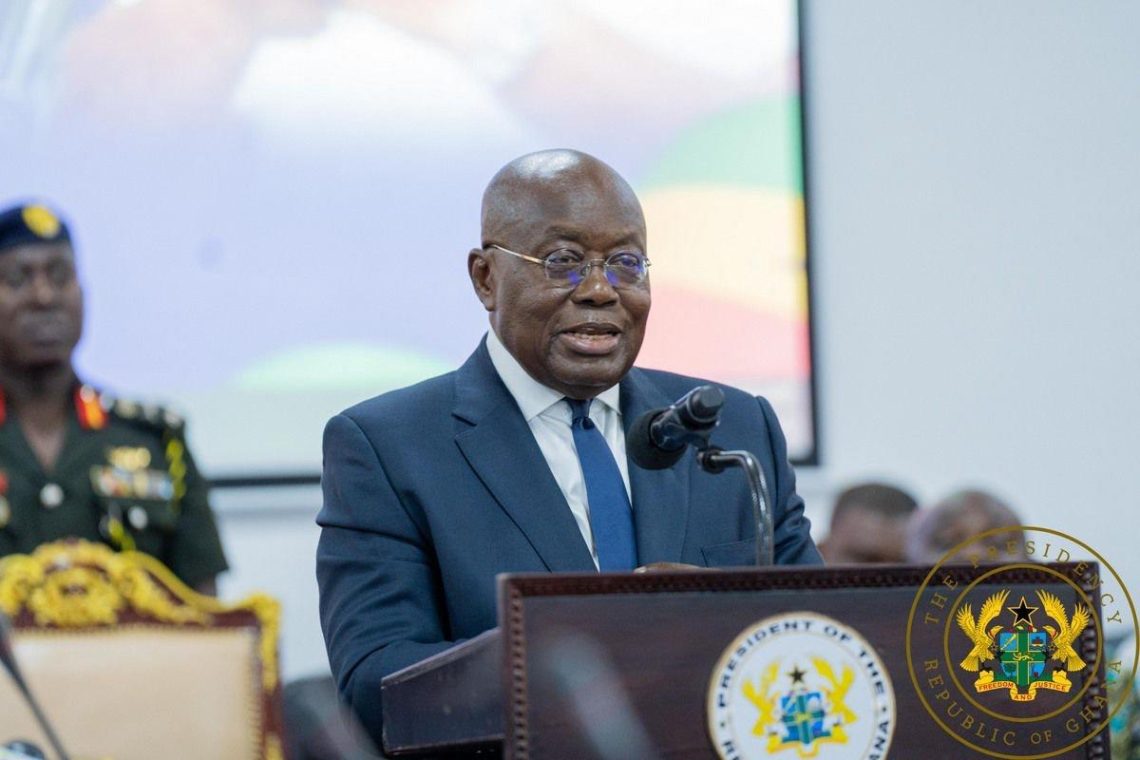
Ghana's New Patriotic Party is at a critical juncture as it looks to recover from December's electoral defeat. At the party's National Delegates Conference in Kumasi on Saturday, former President Nana Addo Dankwa Akufo-Addo delivered a rallying cry for internal cohesion, urging delegates to prioritise party unity over personal ambitions as the NPP prepares for the 2028 general election.
Akufo-Addo, whose two terms ended in January 2025, emphasized that the newly-elected national officers would be instrumental in supporting the party's presidential candidate, Vice President Dr Mahamudu Bawumia, and parliamentary candidates. He framed the conference, held under the theme "One Party, One Purpose, United for Victory", as a pivotal moment for reorganisation and structural reform.
"This gathering represents an important step in our party's reorganisation," Akufo-Addo told delegates gathered at the Baba Yara Sports Stadium. He stressed that rebuilding the party from grassroots to national level would require tremendous sacrifice and commitment from all members, describing the task as "arduous" but achievable with determination and divine guidance.
The road to recovery: rebuilding after defeat
The NPP's call for unity comes as the party grapples with the loss of power after eight years in government. The December 2024 elections saw the party and its presidential candidate Dr Bawumia lose to the National Democratic Congress (NDC) and John Mahama. For a party accustomed to power, the transition to opposition presents both challenges and opportunities for genuine structural renewal.
The conference agenda included consideration of proposed constitutional amendments alongside the election of new national officers, suggesting the party is undertaking more than cosmetic changes. Such amendments could reshape how decisions are made within the party hierarchy and how candidates are selected for future elections.
Akufo-Addo's message to delegates—to transcend "sectional interests" and choose leaders capable of uniting the party—signals awareness of internal tensions that may have contributed to the election loss. Factionalism within political parties often becomes more visible and damaging in opposition, when there is no executive power to distribute as patronage.
Why it matters for Ghana
The NPP's ability to reorganise effectively will shape Ghana's political landscape over the next four years. A strong, unified opposition party is essential for functional democracy, providing checks on government power and offering voters a credible alternative in 2028.
For ordinary Ghanaians, the stakes are high. A fractured NPP could mean less effective parliamentary scrutiny of government policies, whilst a united party could provide sharper accountability and policy debate. The party's internal decisions now will determine whether it can credibly challenge the Mahama administration on issues of governance, economic management, and social policy.
Additionally, how the NPP conducts its internal reforms—whether it truly embraces democratic participation or reverts to top-down control—will signal to Ghanaian voters what style of governance they might expect if the party returns to power in 2028. The conference's transparency and inclusiveness therefore carry symbolic weight beyond internal party politics.
Akufo-Addo's confident assertion that the NPP will "emerge victorious" in 2028 as it did in 2000 and 2016 may sound optimistic to some, but it reflects the party's historical resilience and deep organisational roots. Whether that optimism proves justified will depend heavily on the decisions delegates make in Kumasi and the party's ability to execute its stated reform agenda.
Source: The Ghana Report

Comments (0)
Be the first to comment.