
Akufo-Addo's Ex-Legal Counsel Defends Former President's Record, Says History Will Be Kinder
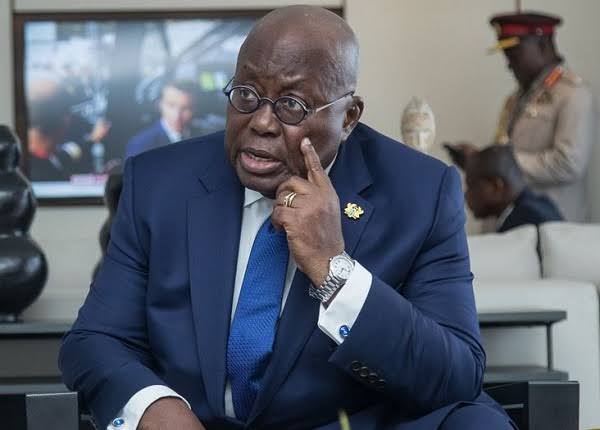

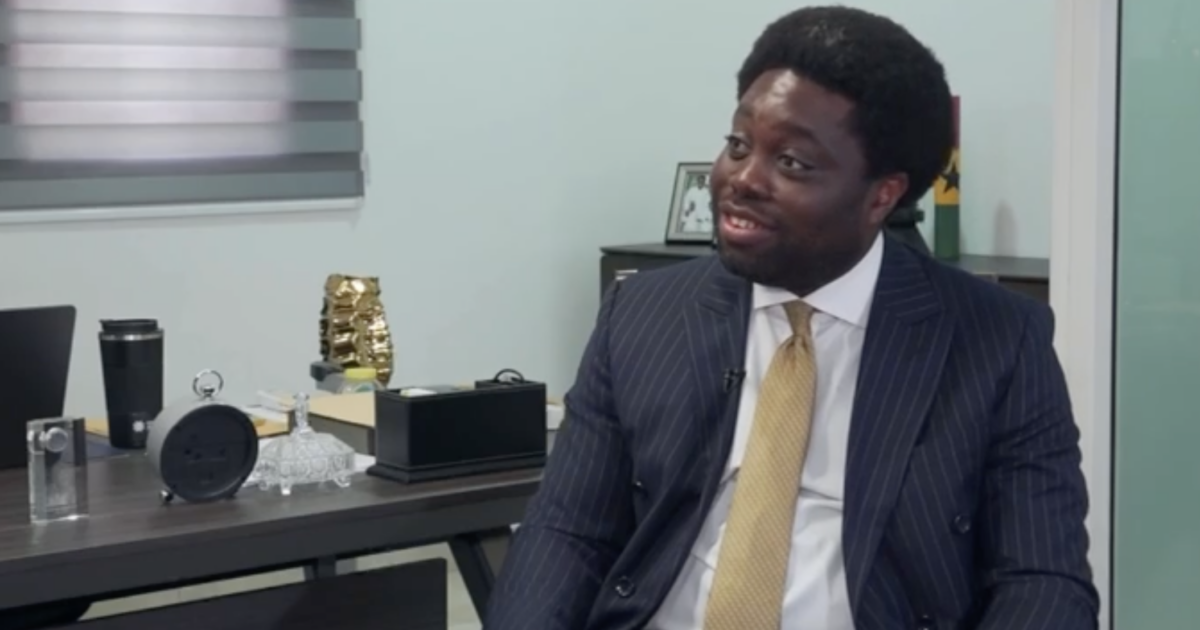
Kow Essuman, who served as legal counsel to former President Nana Addo Dankwa Akufo-Addo, has mounted a robust defence of his former boss's governance record, insisting that the passage of time will reveal a leader who genuinely prioritised the welfare of ordinary Ghanaians over political convenience.
Speaking in an interview on JoyNews, Mr Essuman said that many of the decisions taken by Akufo-Addo during his two terms in office are only now beginning to be understood in their proper context, and that public appreciation for his leadership will grow as the country continues to grapple with the challenges he left behind.
"It'll take a bit of time for people to appreciate that the man that we had in office was the best person who thought about the country," Mr Essuman said. "In fact, today some of the things that are happening in this country are testimony to it."
COVID-19 response as a case study
Central to Mr Essuman's argument was the former President's handling of the COVID-19 pandemic — particularly the debate that raged in early 2020 over whether Ghana should impose a full national lockdown to contain the spread of the virus.
According to Mr Essuman, Akufo-Addo was notably reluctant to enforce sweeping movement restrictions, even as pressure mounted from public health experts, scientists and large sections of the Ghanaian public who demanded immediate and strict lockdown measures.
His hesitation, Mr Essuman explained, was not recklessness but rather a calculated consideration of Ghana's economic realities. The former President reportedly questioned whether the conditions that made lockdowns effective in wealthier countries — namely robust social safety nets and the capacity to sustain citizens who could not work — existed in Ghana.
"He felt that the countries that had locked down had a system in place that could support that lockdown. In Ghana, we didn't," Mr Essuman recalled. "He wanted to see the data first of all — that it was important or it would slow down the spread of the virus."
Mr Essuman said Akufo-Addo ultimately accepted the scientific and epidemiological evidence and approved partial restrictions, but only after satisfying himself that the measures were both necessary and justifiable given local conditions. Ghana's lockdown, when it came, was targeted and relatively brief compared to those in many other countries.
Why it matters for Ghana
The rehabilitation of a former leader's reputation is rarely a straightforward exercise, particularly in Ghana's highly polarised political environment. Akufo-Addo left office in January 2025 after his New Patriotic Party suffered a heavy defeat at the December 2024 general election — a result widely attributed to public frustration over the economy, the cost of living crisis and the country's recourse to an IMF bailout programme.
Against that backdrop, Mr Essuman's comments represent an early and deliberate attempt by those closest to the former President to shape how his legacy is recorded. It is a conversation that will likely intensify in the months and years ahead, as the new administration's own record comes under scrutiny and as Ghanaians weigh the long-term outcomes of policies introduced under Akufo-Addo — from the Free Senior High School programme to the financial sector cleanup and the government's pandemic-era economic decisions.
Mr Essuman's specific focus on the COVID-19 lockdown debate is notable because it touches on a moment of genuine tension: Ghana's economy, heavily dependent on the informal sector, would have faced severe disruption under a prolonged shutdown. Whether the approach ultimately served Ghana better than a stricter lockdown would have remains a matter of genuine debate among public health and economic analysts.
A legacy still being written
Whatever one's view of the Akufo-Addo administration, Mr Essuman's remarks serve as a reminder that the assessment of any presidency rarely settles quickly. The decisions taken between 2017 and 2024 — particularly during the turbulence of a global pandemic and a subsequent debt crisis — will continue to be debated as Ghana moves forward under President John Mahama's new government.
For now, the former legal counsel is confident that the verdict of history will differ significantly from the mood that greeted the NPP's departure from power.
Source: MyJoyOnline


Comments (0)
Be the first to comment.