
Nigeria's Ebola Case Sparks Regional Health Alert; Ghana Must Strengthen Border Surveillance
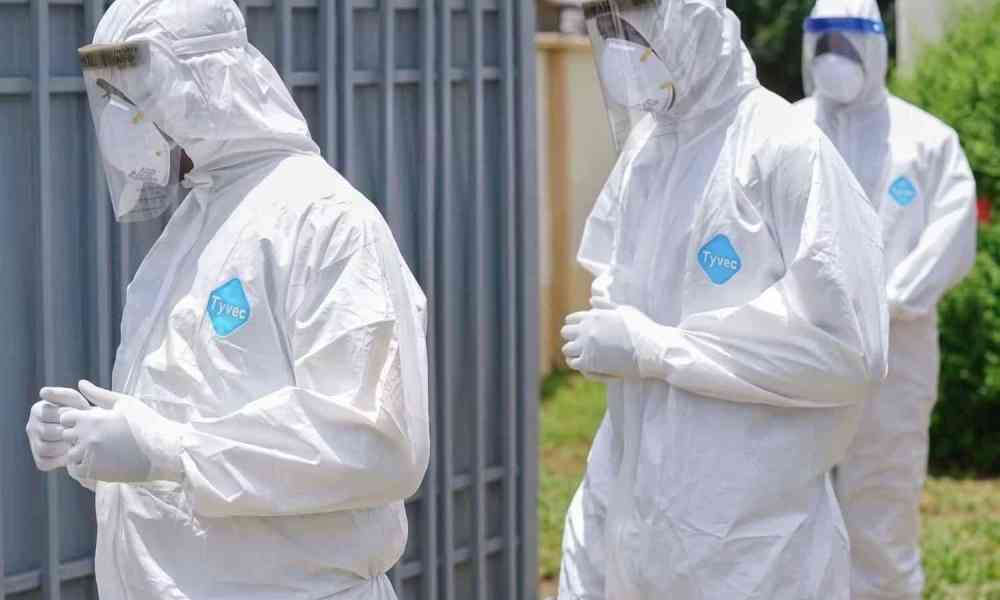

Nigeria has confirmed a case of Ebola virus disease in its capital, Abuja, reigniting concerns across West Africa about the containment of a deadly outbreak spreading through the region. The infected patient, a woman who travelled from Uganda, tested positive for the virus after showing symptoms on 7 October and was admitted to a private hospital in Abuja on 11 October. Health Minister Muhammad Ali Pate announced the confirmation on Tuesday, 20 October, confirming that the patient is now isolated and receiving medical care whilst authorities race to track down everyone she may have exposed to the virus.
The discovery has set off alarm bells across neighbouring countries, including Ghana, as contact tracing efforts identify 44 confirmed close contacts of the infected woman. Health authorities in Nigeria are actively pursuing additional contacts whilst strengthening disease surveillance at borders and airports. The case represents Nigeria's first Ebola confirmation since 2014, when the country successfully managed an outbreak that killed at least eight people—a rare public health success story at the time.
What We Know About This Case
The Ebola outbreak currently spreading across East and Central Africa is caused by the Bundibugyo species of the virus, a relatively rare variant for which no approved vaccine or specific treatment yet exists, though clinical trials are underway. The Democratic Republic of Congo has borne the brunt of this outbreak with thousands of reported infections and deaths, whilst Uganda—the source of Nigeria's imported case—had recorded linked infections before declaring itself Ebola-free in August following the discharge of its last patient.
Ebola is transmitted through direct contact with blood and bodily fluids of infected persons, or contaminated materials. Symptoms include fever, vomiting, diarrhoea, and in severe cases, internal or external bleeding. The incubation period can extend up to 21 days, meaning contacts remain under observation and quarantine protocols for several weeks.
Why This Matters for Ghana
Ghana shares a border with Côte d'Ivoire and Burkina Faso, and maintains significant travel links with Nigeria and other West African nations. The confirmation of an Ebola case in Nigeria—a country with over 220 million people and a major regional hub for trade and travel—elevates the risk that the virus could reach Ghanaian territory through travellers or cross-border movement.
The Ghana Health Service and the Disease Surveillance Division must now review and reinforce screening protocols at Kotoka International Airport and land borders. Lessons from Nigeria's 2014 success and Uganda's recent management of the outbreak demonstrate that rapid detection, isolation, and contact tracing can prevent large-scale transmission. However, Ghana's healthcare capacity—particularly in rural areas—must be evaluated to ensure preparedness should cases emerge locally.
Additionally, Ghanaians travelling to or doing business in Nigeria, Uganda, or the Democratic Republic of Congo should be aware of the outbreak and monitor for symptoms upon return. Health authorities are expected to issue travel advisories and vaccination guidance in coming days, and citizens must heed any quarantine or testing requirements issued by port health services.
Regional Response and Next Steps
Nigeria has already implemented enhanced health declaration requirements for travellers from affected countries and is urging anyone with symptoms following travel from outbreak zones to seek immediate medical care. The Nigeria Centre for Disease Control is coordinating surveillance and public communication efforts.
For Ghana, the priority now is vigilance. The government should coordinate with ECOWAS and the African CDC to share real-time epidemiological data, ensure healthcare workers are trained on Ebola recognition and infection control, and stock appropriate personal protective equipment. Public communication campaigns reminding Ghanaians of symptoms and encouraging early presentation to hospitals will be critical in containing any potential spread.
Source: Ameyaw Debrah


Comments (0)
Be the first to comment.