Ghana reinforces Ebola defences as DRC outbreak sparks regional alert
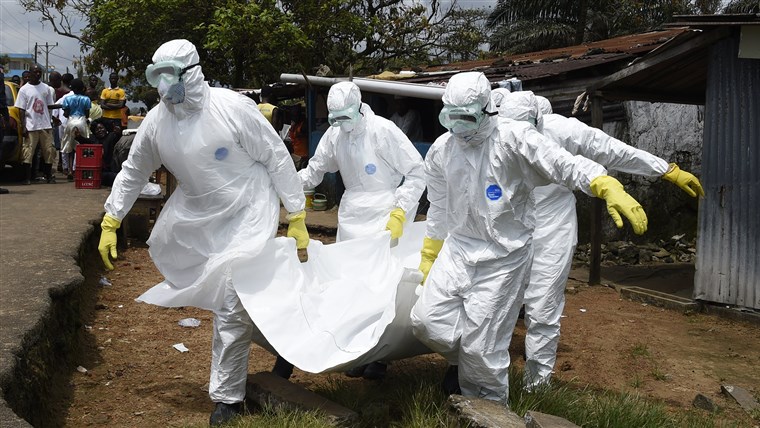
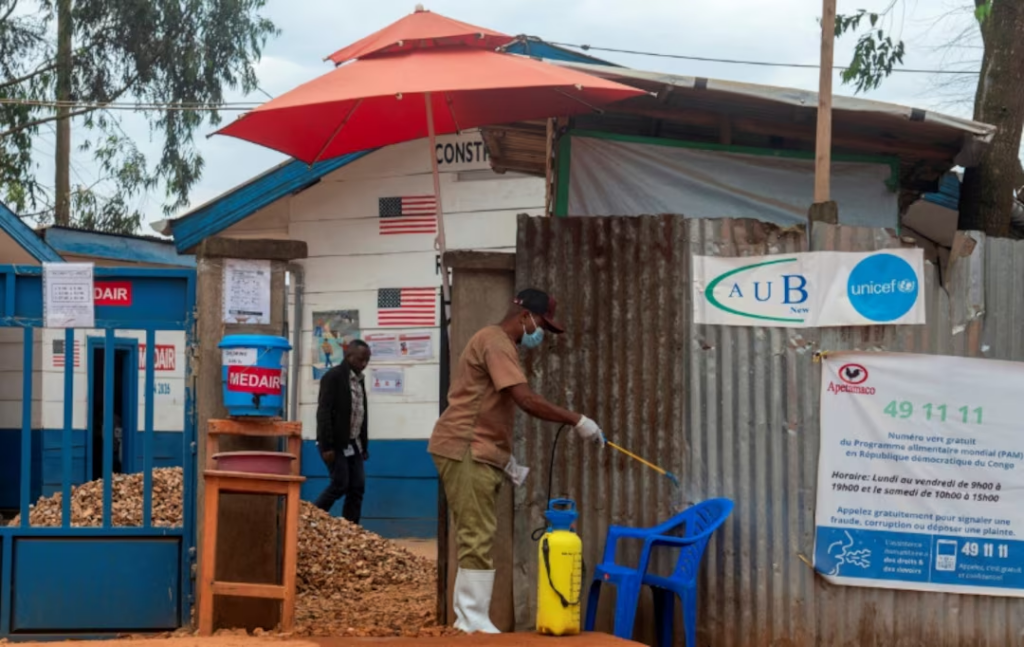
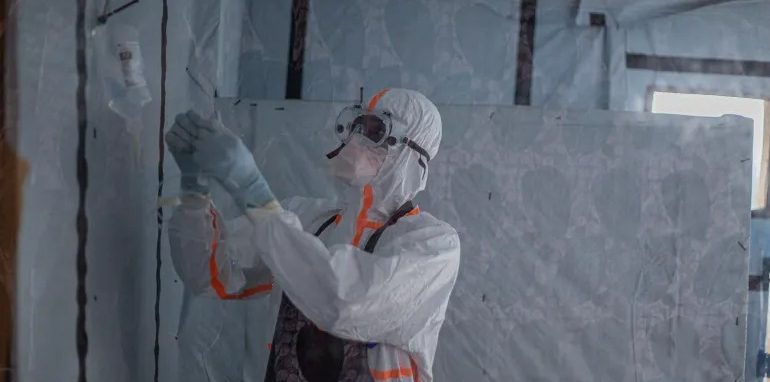
Ghana is strengthening its disease surveillance infrastructure across airports, borders and health facilities in response to escalating Ebola cases in the Democratic Republic of Congo, raising alarm about potential cross-border transmission across Central Africa.
Health Minister Kwabena Mintah Akandoh announced that the country has activated comprehensive screening systems designed to detect and isolate any imported cases before they can spread within the population. The preventative measures represent a significant upgrade to Ghana's epidemic preparedness posture, drawing on lessons from recent major health crises including COVID-19, Marburg virus and Mpox outbreaks that have tested African health systems over the past few years.
Ghana's immediate response strategy
The government is working closely with the Noguchi Memorial Institute for Medical Research, Ghana's premier disease research facility, to strengthen testing capacity. The collaboration includes procurement of essential reagents and laboratory equipment needed to confirm suspected Ebola cases rapidly.
According to Minister Akandoh, the multi-layered approach begins at Ghana's international airports and other official entry points, extends through the country's health facility network, and culminates in dedicated surveillance centres equipped to identify and contain threats. "As a country, we put the necessary steps in place, right from the airport to our surveillance centres. We have activated our systems to prevent it in the first place, and as and when we also have it, we are ready to combat it," he stated.
The Minister emphasised that whilst Ghana is hopeful no cases will occur, the country is fully prepared to detect infections at entry points and contain them before community spread.
Why it matters for Ghana
Ghana's geographic position in West Africa makes regional disease control crucial. As a major travel hub with significant international connectivity through Kotoka International Airport and land borders with multiple countries, Ghana faces genuine risk from outbreaks in other African nations. The DRC Ebola surge demonstrates how quickly health threats can spread across continental distances in an interconnected world.
Beyond immediate disease prevention, Ghana's response reflects broader lessons about pandemic preparedness. The COVID-19 pandemic exposed gaps in African disease surveillance and response capacity, whilst more recent Marburg and Mpox outbreaks have underscored the importance of early detection systems and rapid containment protocols. By strengthening surveillance now rather than waiting for cases to appear, Ghana aims to avoid the costly mistakes made during previous emergencies.
Pushing for regional coordination
Minister Akandoh stressed that individual country actions, whilst necessary, are insufficient without genuine West African and continental collaboration. He called on African nations to move beyond reactive crisis management towards proactive information-sharing, technical expertise transfer and coordinated resource mobilisation.
"We do not have to wait until there's an outbreak before we start putting things together," he said, highlighting how pre-positioned resources and established protocols dramatically improve response speed and effectiveness. The Minister advocated for strengthened local production capacity for critical health supplies and a formalised regional response system that transcends national borders.
Whilst commending the Africa Centres for Disease Control and Prevention (Africa CDC) for its coordination role, Akandoh indicated that ECOWAS member states and broader African partnerships must deepen their collaboration mechanisms. Regional cooperation protocols, joint training exercises and harmonised surveillance standards remain underdeveloped across West Africa.
Ghana's proactive stance signals recognition that infectious disease threats respect no borders and that West African security increasingly depends on collective health preparedness rather than isolated national responses.
Source: MyJoyOnline

Comments (0)
Be the first to comment.