
DRC Ebola Outbreak Surpasses 11,000 Cases — Why West Africa and Ghana Must Stay Alert
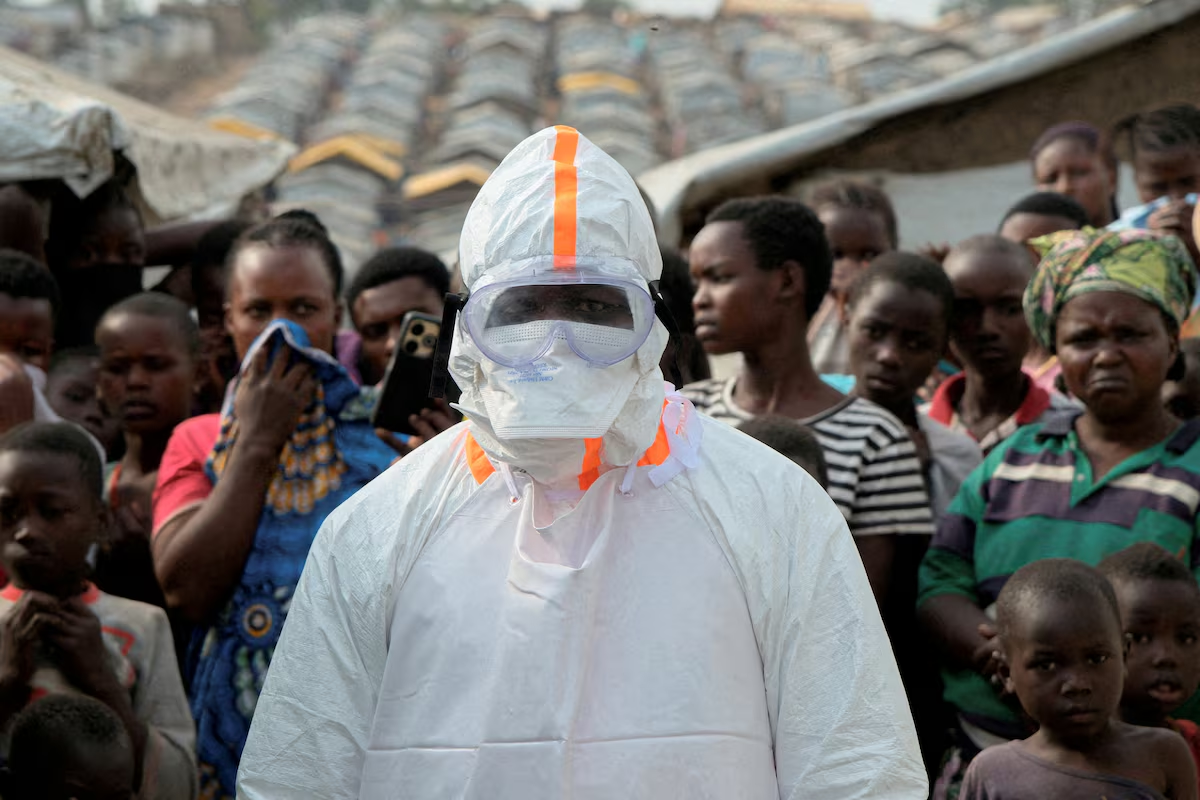

The Democratic Republic of the Congo (DRC) is battling the largest and deadliest Ebola outbreak in its history, with confirmed cases now surpassing 11,042 and at least 5,387 deaths recorded, according to figures released by the country's health authorities. The scale of the crisis has placed the outbreak second only to the catastrophic 2014–2016 West African epidemic in the history of the disease globally.
An outbreak unlike any before
What makes the current DRC outbreak particularly alarming is not just its size, but the strain driving it. Unlike previous major outbreaks caused by the more familiar Zaire strain, this one is caused by the Bundibugyo strain — a rarer and less understood variant of the Ebola virus. No vaccine or approved treatment has been developed specifically for the Bundibugyo strain, leaving health workers with limited tools to combat it. The strain kills approximately half of the people it infects, making containment a matter of extreme urgency.
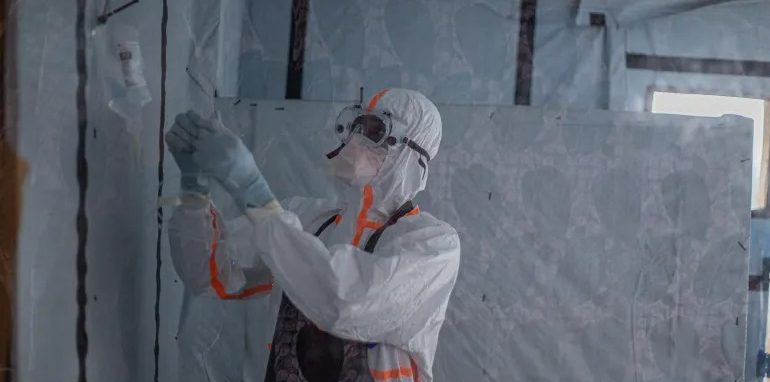
Eight of the DRC's 26 provinces have been affected, with many deaths occurring outside formal treatment centres — a sign that large numbers of people are either unaware of or unable to access medical care. Delayed detection, ongoing armed conflict in parts of the country, and severely strained health infrastructure have all contributed to a faster spread than has been seen in previous outbreaks. The World Health Organisation (WHO) has approved clinical trials of two new Ebola vaccines, with results expected in early 2027, but that timeline offers little immediate relief.
Crucially, cases have now been reported across East, Central, and West Africa — giving this outbreak the widest geographic spread of any Ebola crisis on the continent to date.
Why it matters for Ghana
For Ghanaians, this outbreak should not be viewed as a distant problem. West Africa has direct and painful experience of Ebola's reach. The 2014–2016 epidemic, which infected more than 28,600 people and killed over 11,000, was centred in Guinea, Sierra Leone and Liberia — all within Ghana's immediate sub-region. That outbreak also prompted emergency health screenings at Kotoka International Airport and stressed the need for stronger regional disease surveillance systems.
The fact that this current outbreak has now spread to West Africa makes the situation especially relevant. Ghana shares borders, trade routes, and population movement corridors with countries across the ECOWAS region. The Ghana Health Service and regional bodies like the West African Health Organisation (WAHO) have historically stepped up surveillance during Ebola emergencies, but continued vigilance is essential.
- Ghanaians travelling to or from affected regions should monitor advisories from the Ghana Health Service and the WHO.
- Health authorities at ports of entry — including Kotoka International Airport — should maintain heightened screening protocols.
- Community health education about Ebola symptoms, including fever, severe headache, muscle pain, vomiting and unexplained bleeding, remains a critical line of defence.
What comes next
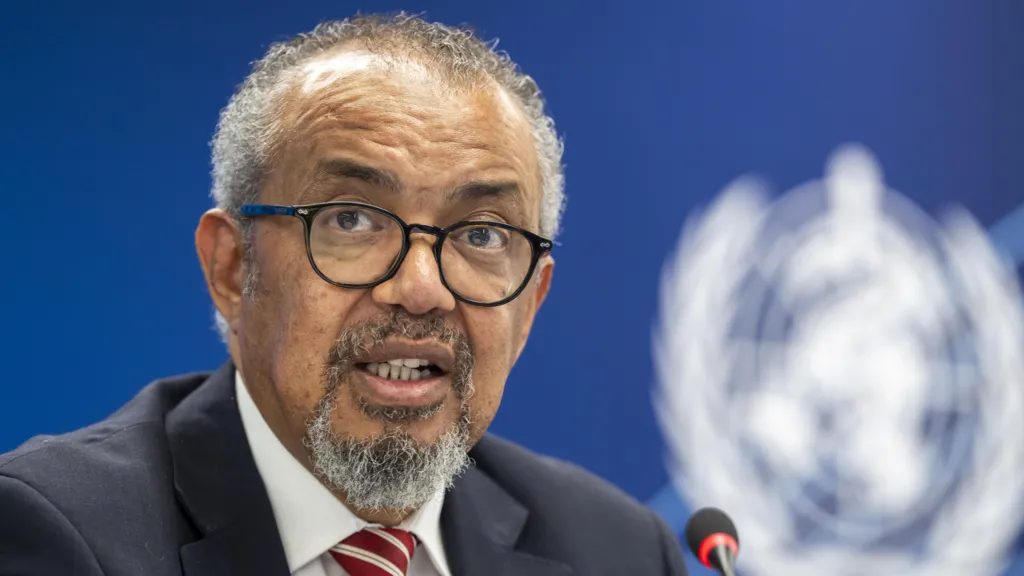
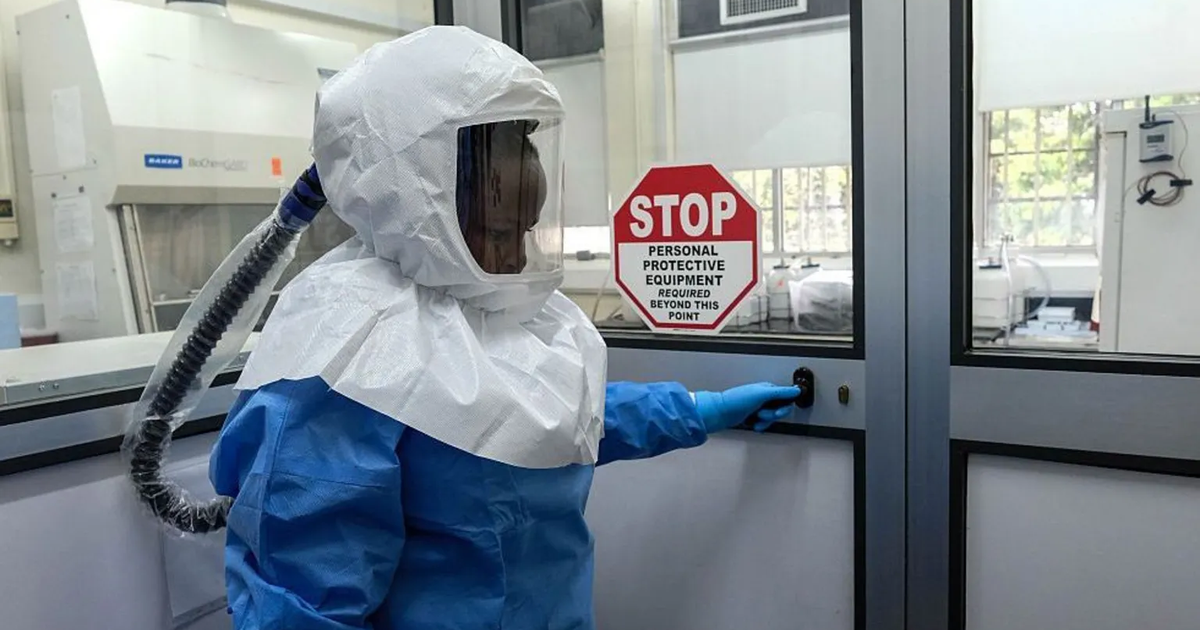
The WHO's approval of clinical trials for two new Ebola vaccines is a significant development, though results are not expected until early 2027. In the interim, the international health community is focused on bolstering contact tracing, improving access to treatment centres, and working around the security challenges that have hampered response efforts in conflict-affected provinces of the DRC.
Africa's public health architecture — including the Africa Centres for Disease Control and Prevention (Africa CDC) — has grown considerably since the 2014 epidemic, and regional cooperation will be central to preventing further geographic spread. Ghana, as one of West Africa's more stable and health-system-capable nations, has a role to play in that collective response.
The DRC outbreak is a stark reminder that infectious disease knows no borders. Ghanaians and their leaders would do well to watch this crisis closely and ensure the country's preparedness systems remain sharp.
Source: MyJoyOnline


Comments (0)
Be the first to comment.