
DR Congo Ebola outbreak reaches 1,000 deaths in record time; Africa CDC warns of global threat
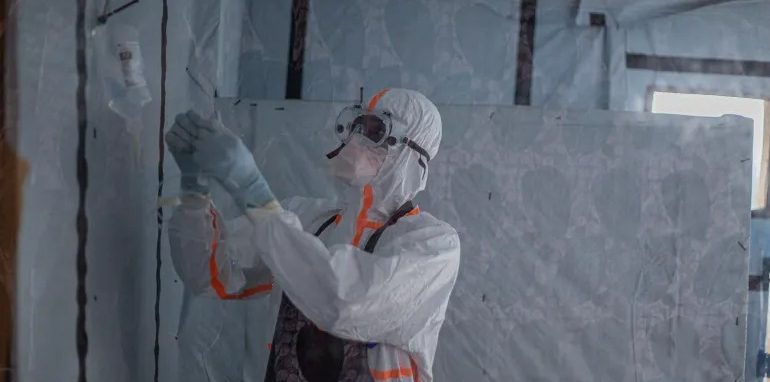

The Democratic Republic of the Congo is grappling with an unprecedented Ebola crisis as deaths from the Bundibugyo strain surge past 1,000, marking a grim milestone in the virus's history. The country's National Institute of Public Health confirmed 999 deaths on Wednesday, with 2,473 cases recorded across the nation as of Monday. The alarming speed of this outbreak has prompted warnings from global health authorities, with Africa's Centres for Disease Control declaring it a matter of urgent continental concern.
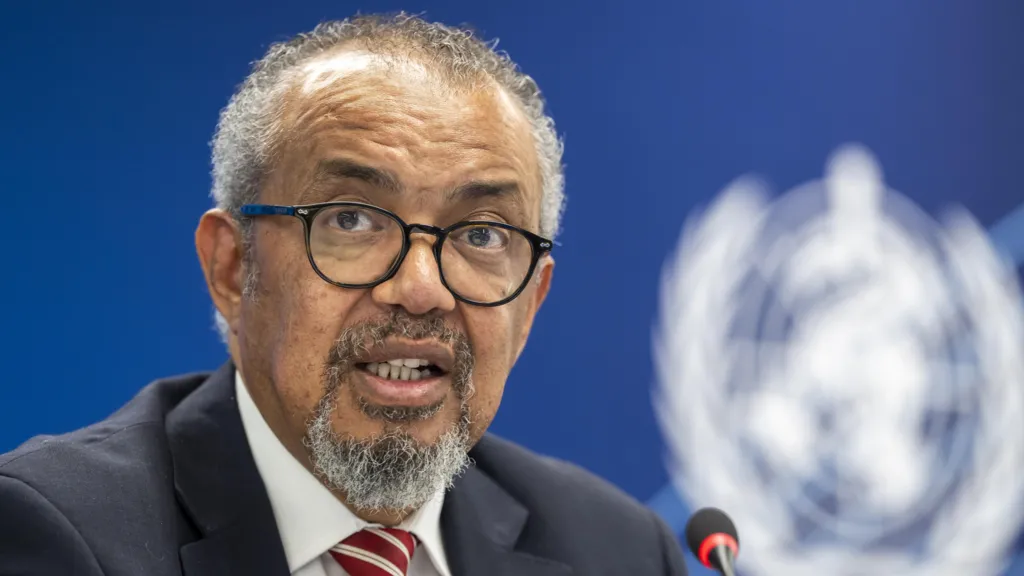
What makes this outbreak particularly devastating is its trajectory. Unlike the 2013-2016 West African epidemic—which killed over 11,000 people but took eight months to reach 1,000 deaths—the current DRC outbreak achieved this grim milestone in just five months. WHO chief Tedros Adhanom Ghebreyesus warned last week that the virus has "expanded faster than any previous outbreak," while Thierno Balde, WHO's incident manager, acknowledged that response efforts remain overwhelmed: "the outbreak remains ahead of us and we are still in a phase of catching up."
The scale and spread
Since the outbreak was declared on May 15 in the northeastern Ituri province, the virus has spread beyond its initial epicentre to other Congolese provinces. The infection has also crossed borders, with Uganda confirming two deaths, though no new cases have been reported there for about a month. Currently, 737 patients remain isolated in hospitals across the DRC, though the true caseload may be higher due to access challenges in affected regions.
The Bundibugyo strain represents a particular concern because it differs from other Ebola variants. Unlike the Zaire strain responsible for the 2013-2016 outbreak, there are currently no approved vaccines or specific treatments for Bundibugyo, severely limiting response options. Medical teams can only offer supportive care—maintaining hydration and organ function—while the body fights the infection.
Why it matters for Ghana and West Africa
Though Ghana has not reported cases, the implications for the region are substantial. As a major economic hub in West Africa with significant transport links to the DRC and other Central African nations, Ghana faces indirect risks through trade, travel, and regional health cooperation. The outbreak underscores vulnerabilities in cross-border disease surveillance and rapid response capabilities that affect all ECOWAS member states.
Africa CDC Director-General Jean Kaseya has called for mobilisation of "every available resource," warning that without immediate intervention, "this will become the worst outbreak the world has ever documented." His appeal highlights the continent's collective responsibility and the potential for regional spillover if containment fails.
Additionally, US travel restrictions on Uganda—despite its success in controlling local transmission—demonstrate how outbreaks disrupt trade and tourism across affected regions. Kaseya has written to US Health Secretary Robert F Kennedy Jr requesting the lifting of Uganda-specific restrictions, recognising the economic toll on a country that has not recorded new cases since mid-July.
What happens next
Uganda faces a critical countdown: if no new cases emerge within 42 days of its last confirmed patient's discharge on July 16, the country will be declared Ebola-free under WHO guidelines. However, the DRC situation remains volatile. Health authorities acknowledge they are still playing catch-up rather than leading the response, a troubling position given the outbreak's acceleration.
The absence of vaccines for the Bundibugyo strain limits prevention strategies, placing enormous pressure on contact tracing, isolation protocols, and community education. International aid and expertise will be critical in the coming weeks.
Source: The Ghana Report

Comments (0)
Be the first to comment.